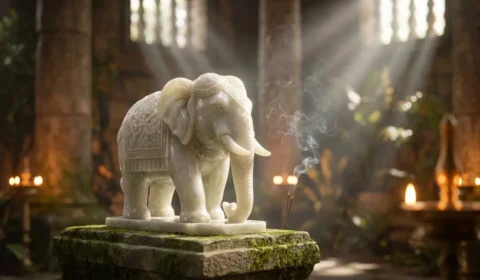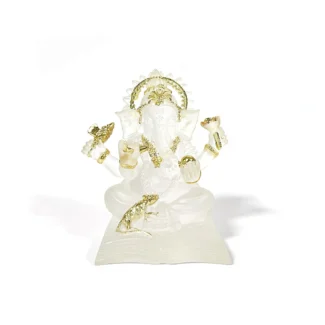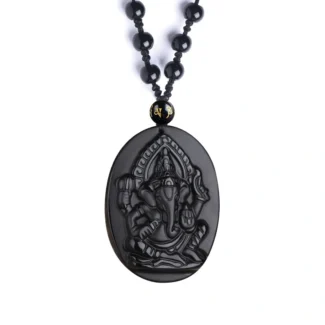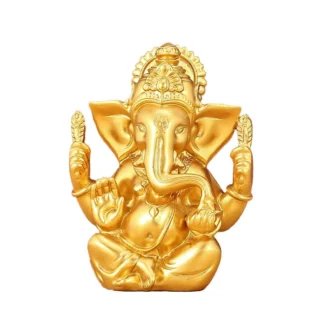


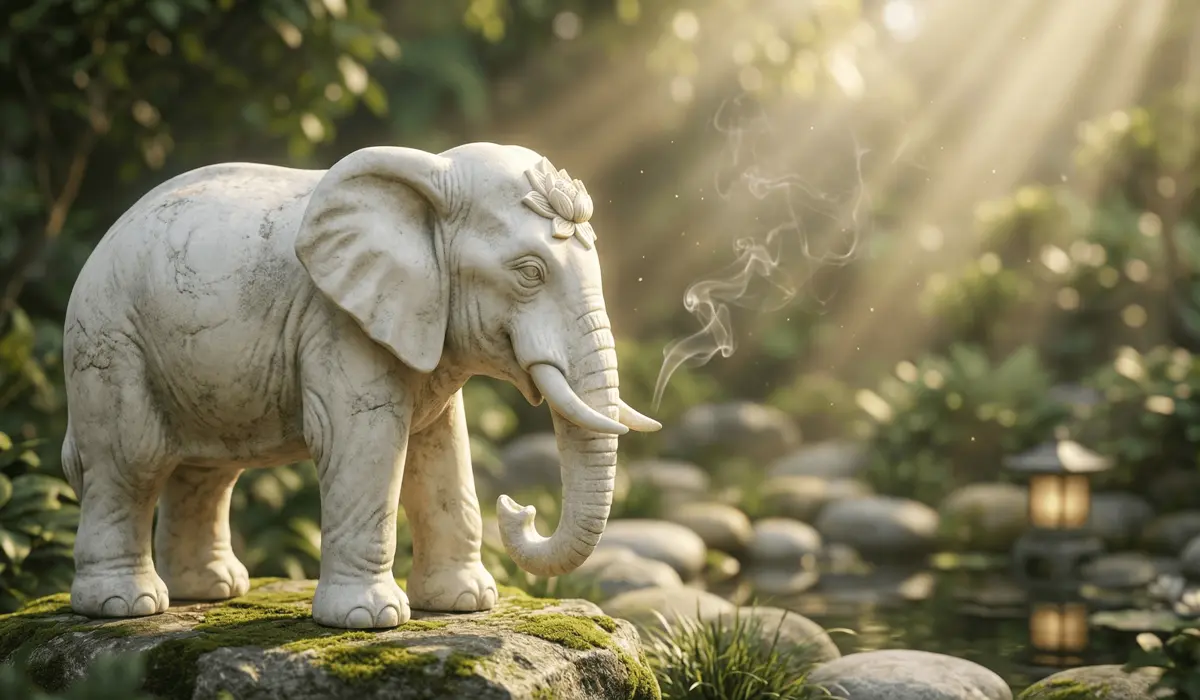
We believe that your home is more than just a place to sleep. It is a living energy field that reflects your inner world. When you place an elephant statue in your living space, you are not just adding a piece of art. You are inviting a Mindful Anchor that has protected humans for thousands of years. This ancient symbol bridges our modern lives with a deep, collective unconscious that values peace and strength.
The elephant represents Gaja energy. This is a divine mix of huge physical power and high mental control. As a “Gentle Guardian,” it removes obstacles and protects the family. It helps ground your home energy and attracts both wealth and safety.
Ancient Origins and Sacred Legends: The Roots of the Elephant Totem
The story of the elephant starts long before modern design. In Buddhist history, Queen Maya had a famous dream before the birth of the Buddha. She saw a white elephant carrying a lotus flower enter her side. This marked the coming of a great being who would bring peace to the world. We see this as the start of the “Bodhisattva” ideal. It is the idea of a powerful being who chooses kindness over force.
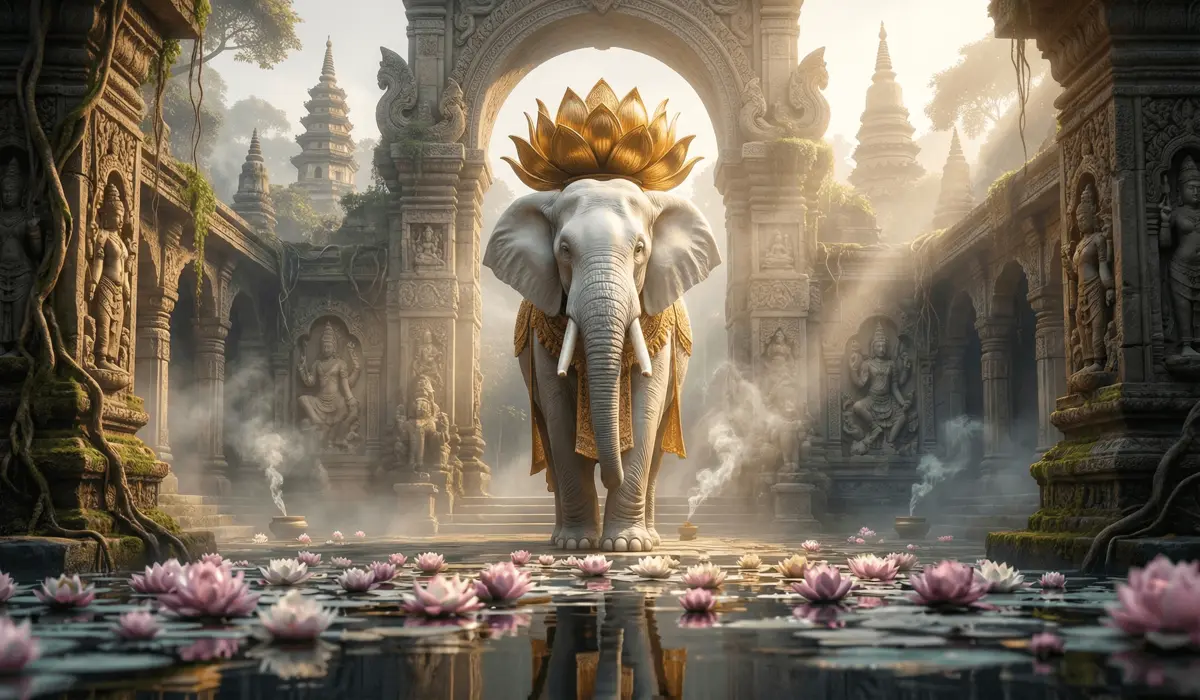
In the Vedic tradition of India, the elephant is even more majestic. Airavata is a multi-tusked white elephant who carries Lord Indra, the King of Heaven. These elephants are known as “Cosmic Supports” because they hold up the very corners of the universe. In World of Feng Shui, the elephant is a vessel of Chi (气). It is used to store positive energy so it does not leak out of your home.
The Cosmic Support and World Order
According to ancient texts, elephants are the pillars of the world. They represent stability and the law of nature. When you use this symbol, you are tapping into a force that keeps life in balance. This is why many cultures place them at the entrance of temples. They guard the sacred space from bad vibrations.
| Culture | Primary Meaning | Sacred Figure |
|---|---|---|
| Buddhism | Compassion and Wisdom | White Elephant of Queen Maya |
| Hinduism | Power and Royalty | Airavata (Indra’s Mount) |
| Feng Shui | Protection and Wealth | Vessel of Auspicious Chi |
| African Lore | Ancestral Memory | The Wise Matriarch |
The Hidden Philosophy: Decoding the Elephant’s Symbolic Anatomy
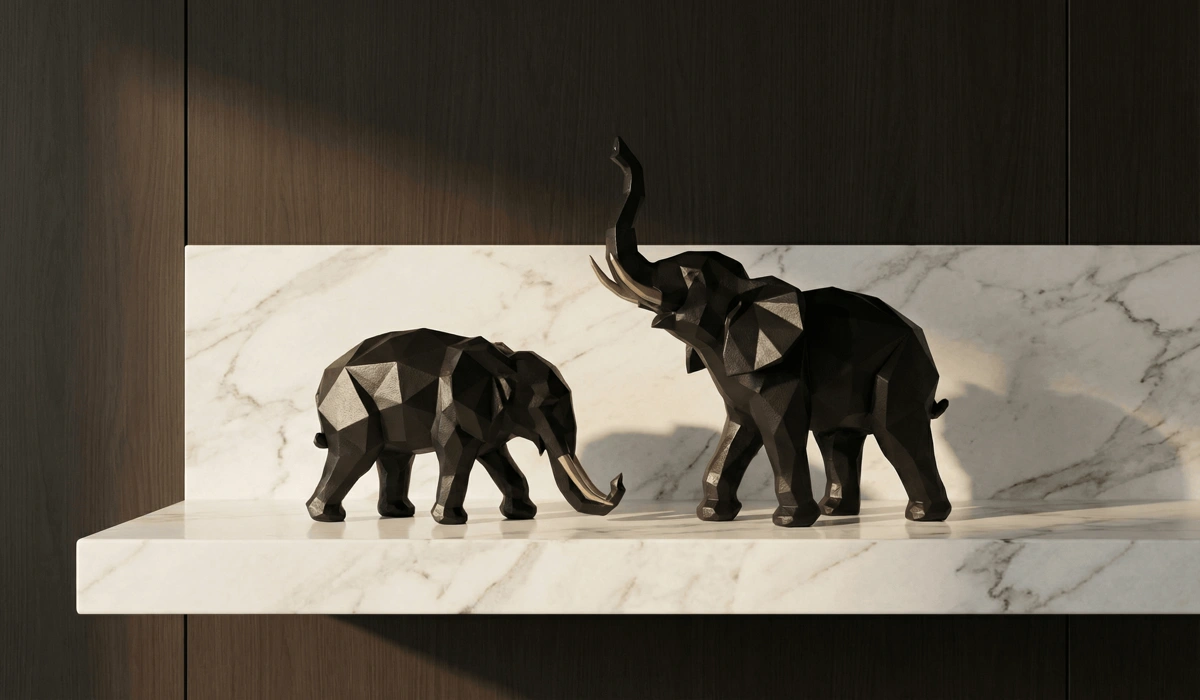
Understanding the body of the elephant helps us use its energy better. The most important part is the trunk. A trunk pointing up is like a magnet for Abundance. It showers the home with luck and victory. This is a great choice if you are starting a new business or looking for a promotion.
However, the 2026 trend focuses on “Slow Living.” For this, a trunk pointing down is better. It represents grounding and keeping your energy inside. It is about building wisdom over a long time rather than rushing for quick success. This style helps lower stress in a busy world. We often suggest this for quiet areas like libraries or bedrooms.
The Power of Listening and Focus
The large ears of the elephant teach us a spiritual lesson. They remind us to listen more and talk less. This is linked to Ganesha energy, which helps us learn from others. The small eyes show a focused, meditative gaze. This helps you stay on your path without getting distracted by the noise of the digital age.
Reddit user u/XxShockmaster recently shared how ancient carvings use elephants to tell stories:
“The level of detail is insane. Every surface is carved… You’ll find rows of elephants symbolising strength at the base.”
*sources:[1,000-year-old carvings at Modhera Sun Temple](https://reddit.com/r/IndianHistory/comments/1s5q9sb/1000yearold_carvings_at_modhera_sun_temple_that/)* This confirms that the elephant has always been seen as the “base” or foundation of a strong life.
Why Elephant Home Decor Matters Today: Healing Digital Fatigue
We live in a world that is always “on.” This causes high levels of anxiety and a feeling of being lost. The elephant is the perfect antidote. Because it is so heavy and slow, it sends a signal to our brain to slow down. It helps heal the Root Chakra, which is our center of safety and belonging. When we feel grounded, we make better choices.
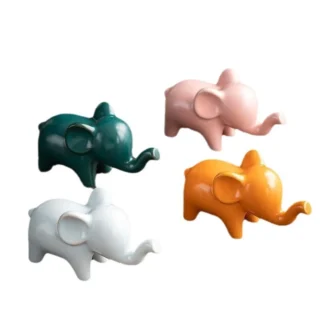
The elephant also represents Matriarchal Leadership. In the wild, herds are led by the oldest female. She knows where the water is and how to keep the young ones safe. Placing an elephant in your living room honors the family bond. It creates a space where everyone feels protected by a calm, steady force. This is why many parents choose this theme for a Cute Animal Decor nursery.
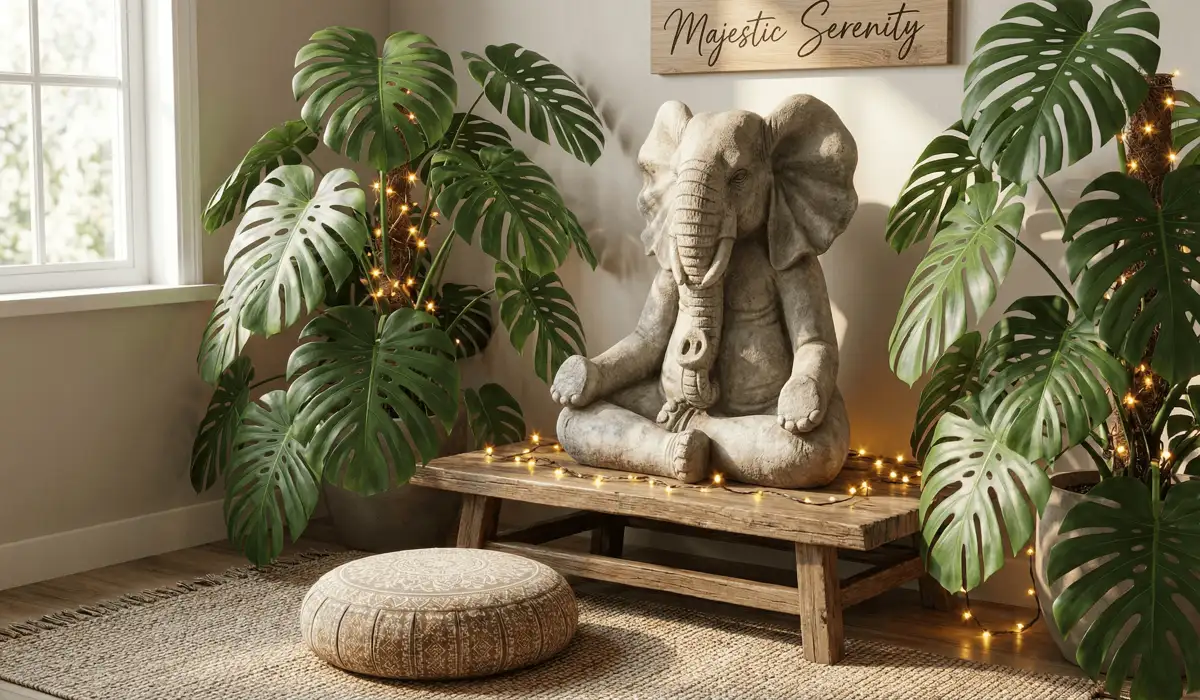
The Guardian Effect: Research shows that looking at symbols of protection can lower cortisol levels. The elephant acts as a visual “Safety Signal” for your nervous system. This makes it a powerful tool for anyone suffering from burnout or digital fatigue.
Cultural Etiquette and Taboos: Respecting the Sacred Form
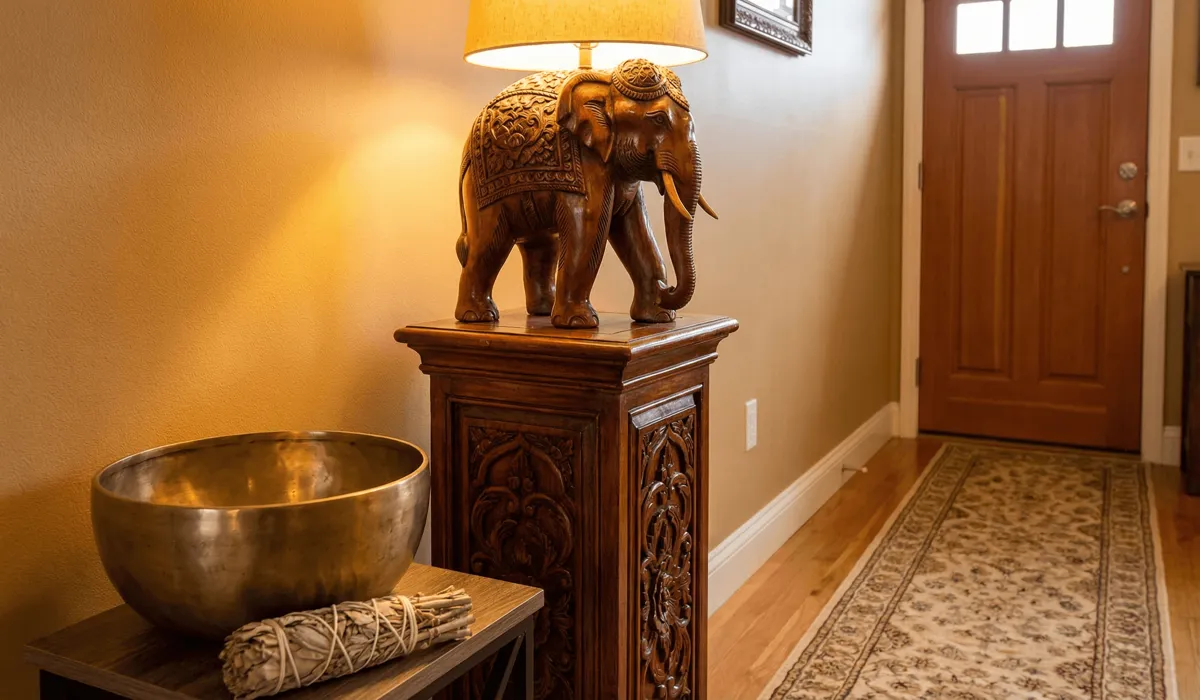
To get the most benefit from your elephant, you must treat it with respect. In both Vedic and Buddhist traditions, placing sacred symbols on the floor is a mistake. It is better to place them on a pedestal or a high shelf. This honors the elephant’s role as a Cosmic Support. It also keeps the energy of the statue clean and powerful.
Placement is also key for good luck. If you want to welcome new opportunities, face the elephant toward your front door. It acts as a Guardian of the Threshold. If you want to keep the wealth you already have, face it inward. This “traps” the good energy inside your home so it cannot escape. Following these simple rules shows respect for the culture the symbol comes from.
The Power of Seven Elephants
Many people ask why they see rows of seven elephants. Seven is a holy number in many spiritual paths. Having seven elephants represents a complete cycle of protection. It is believed to bring seven virtues: wisdom, strength, courage, peace, health, wealth, and love. If you are going through a big life change, this setup is very helpful.
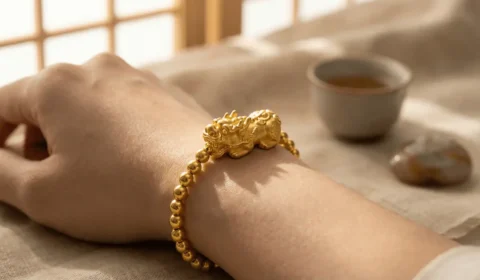
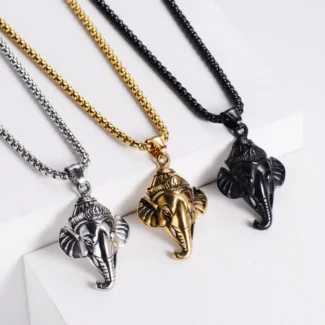
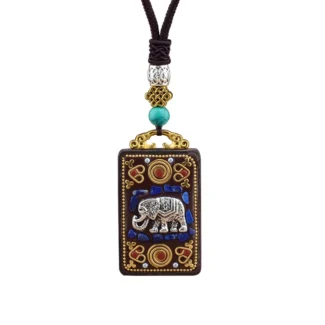
When choosing a statue, look for Symbolic Integrity. Avoid designs that look too much like cartoons. A statue with weight and detail carries more “Gaja” energy. You can even enhance this energy by wearing a which combines the elephant with other protective charms.
How to Meditate with Your Elephant Guardian for Grounding
We suggest doing more than just looking at your statue. You can actually use it for a daily practice. This helps you connect with the Patience Archetype of the elephant. By spending a few minutes each day in front of your guardian, you train your mind to stay steady even when things are difficult.
We recommend the following steps to activate your elephant guardian:
- Cleanse the statue with the smoke of sage or the sound of a singing bowl to clear old energy.
- Set a clear intention, called a Sankalpa (意图), such as “I am safe and protected in my home.”
- Practice the “Hathi Breath” by breathing deeply and slowly, imagining the weight of an elephant grounding you.
- Place a small piece of Black Tourmaline near the base to increase the protective vibrations.
This simple ritual turns a decoration into a powerful spiritual tool.
On Reddit, user u/Lazy-Judge8312 discussed the use of different statues:
“I would like to know if using statues of Ganesha, Buddha… all at once on the same table at the same time? …my belief in Kami and Christ run deep within me.”
*sources:[The Use of Statues in a personal meditation corner](https://reddit.com/r/bahai/comments/1s6zey5/the_use_of_statues_in_a_personal_meditation_corner/)* This shows how elephants, like Ganesha, can fit into a multi-cultural Feng Shui Home where many beliefs meet.

FAQ: Wisdom for the Modern Guardian
Q: What is the spiritual meaning of an elephant with its trunk down in 2026 home design?
A: In 2026, the trunk down position is linked to the “Slow Living” movement. It represents grounding, longevity, and the quiet accumulation of wisdom. While a trunk up attracts external luck, a trunk down helps you stay strong on the inside. It is perfect for spaces meant for meditation or deep rest.
Q: Where should I place an elephant statue to attract career stability according to Feng Shui?
A: To help your career, place the elephant in the North sector of your room or on your office desk. This area is linked to your path in life. The elephant acts as a “Remover of Obstacles.” It helps you move forward with the power of an elephant and the wisdom of a leader. It also protects you from office politics.
Q: Why is the elephant considered the ultimate ‘Gentle Guardian’ for modern nurseries?
A: The elephant is a symbol of maternal love and protection. In nature, the matriarch will do anything to keep the babies safe. This energy creates a “safety field” in a nursery. It helps children feel secure and connected to their family roots. It is much softer than other protective symbols like lions or dragons.
Q: What is the difference between African and Asian elephant symbolism in spiritual practice?
A: Asian elephant symbolism often focuses on the divine and religious duty, like the story of the Buddha. African folklore focuses more on the community and the Ancestral Wisdom of the herd. Both cultures see the elephant as a wise leader, but the Asian style is more “heavenly” while the African style is more “earthy.”
Q: Is it disrespectful to place elephant symbols on the floor?
A: Yes, in most Eastern cultures, it is seen as disrespectful. These are sacred animals that represent high spiritual ideals. Placing them on the floor connects them with “low” energy. Always try to elevate your statue to at least table height. This shows that you value the protection and wisdom the elephant brings.
Final Thought: The elephant is more than a trend. It is a timeless teacher. It shows us how to be strong without being mean. It teaches us how to carry our power with grace and our wisdom with humility. By bringing this symbol into your home, you are choosing a life of balance and protection.
We invite you to explore more symbols of peace in our Feng Shui Art collection. Each piece is chosen for its ability to bring harmony to your life. For more detailed information on history and culture, you can always visit Wikipedia or the Feng Shui Society.
The information provided in this article is for educational and cultural purposes only. It does not serve as medical, legal, or financial advice. Readers should consult with qualified professionals regarding any specific life concerns or spiritual practices. We aim to share cultural heritage and traditional wisdom as a form of personal inspiration.

Written by the Buddha Bodhis Team
Since 2020, we have been devoted to exploring traditional year-based wisdom, classical Feng Shui principles, and the rich spiritual symbolism rooted in Eastern cultural heritage. Our work bridges ancient metaphysical systems with modern life, interpreting annual cycles, elemental energies, and symbolic meanings to offer thoughtful insight and practical guidance. Through continuous research and practice, we aim to preserve traditional knowledge while making it accessible, relevant, and meaningful for contemporary seekers of balance, intention, and personal growth.
TikTok | YouTube | Pinterest | X
buddhabodhis@gmail.com