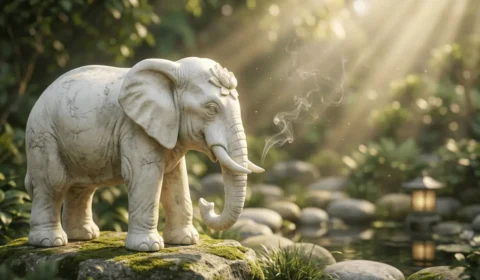



We often look for ways to make our homes feel more peaceful and meaningful. The elephant is not merely a decorative motif; it is a profound archetypal anchor that bridges the gap between raw physical power and enlightened spiritual gentleness. For millennia, humans have looked to the elephant to represent the unshakable soul, a guardian that remains calm under pressure and possesses the memory to hold ancestral wisdom. In an era of digital fragmentation, the elephant symbol serves as a grounding force, reminding us of our connection to the earth and our capacity for quiet, persistent strength.
The elephant symbolizes the Guardian of Wisdom and the Remover of Obstacles. It embodies Ahimsa (non-violence), immense mental fortitude, and protective grounding. In home decor, it acts as a spiritual sentry, inviting prosperity, longevity, and a stabilized environment for intellectual and spiritual growth.
The Ancient Origins: From Airavata to the Birth of Buddha
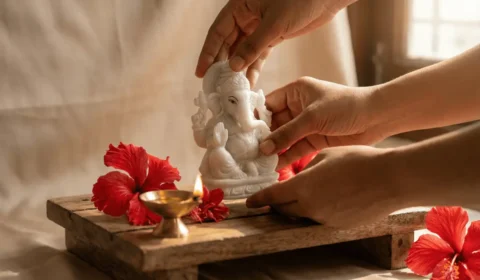
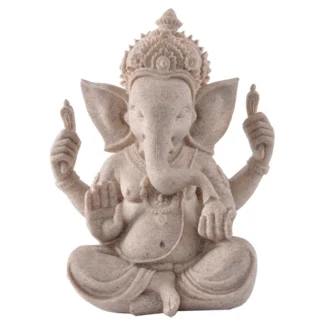
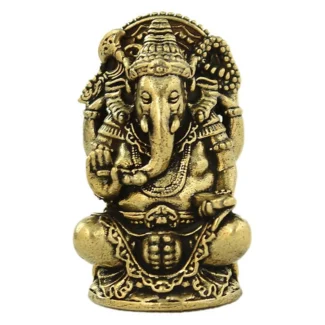
Our research into cultural history shows that the elephant has deep roots in many sacred traditions. In Vedic Hinduism, the elephant is personified by Ganesha, the son of the Goddess Parvati, who was born to be the supreme remover of obstacles. His elephant head represents superior intellect and the ability to tell the difference between what is real and what is just an illusion. This divine connection makes the elephant a symbol of success and mental clarity for millions of people around the world.
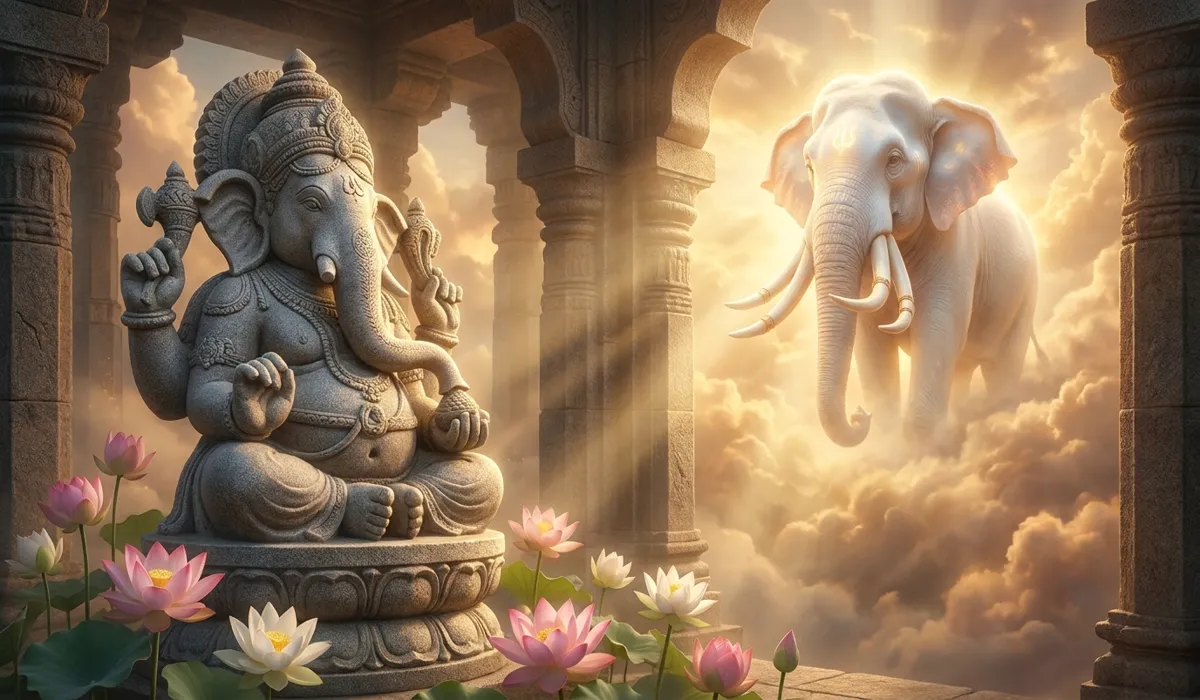
In Tibetan Buddhism and Thai Buddhism, the elephant takes on a celestial role. A vision of a white elephant heralded the birth of Siddhartha Gautama, symbolizing the descent of a pure, enlightened soul from heaven into the physical realm. This makes the elephant a vehicle for the Dharma, carrying the weight of sacred teachings with grace and patience. Other legends tell of Airavata, the multi-tusked white elephant of Indra, who represents the clouds and the source of rain, which is essential for abundance and life.
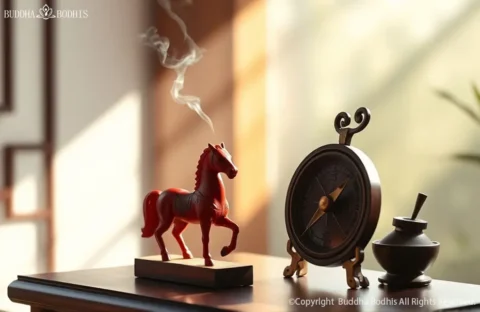
The history of the elephant as a protector is also found in ancient architectural sciences like Feng Shui and Vastu Shastra. These systems used elephant imagery to stabilize the Mouth of Qi (energy entrance) and protect the home’s threshold. You can read more about how these animals are viewed in history on Wikipedia. By placing these symbols at the entrance, ancient builders believed they could filter out negative vibrations and keep the household safe and prosperous.
Ganesha and the Removal of Obstacles: The Root of Elephant Wisdom
When we talk about the elephant as a guardian, we must mention the Remover of Obstacles, known as Vighnaharta. The elephant uses its trunk to clear physical paths in the wild, and symbolically, it teaches us how to quietly remove mental and karmic blockages. This wisdom is not about force; it is about the quiet strength of character. True power does not require aggression, but rather the patience to wait for the right moment to act.
The trunk of the elephant is a marvel of nature that carries deep spiritual meaning. On the Reddit community r/IndianFestivals, user AssetsSutram shared insights into this symbolism:
“The trunk of Ganesha is actually one of the most meaningful and symbolic parts of his form. It’s not just artistic—it carries deep spiritual ideas in a very simple, relatable way. Power + Flexibility together. An elephant’s trunk is very strong but also very gentle. This teaches us: be strong when needed, but also soft and sensitive in life.”
*sources:[Ganpati & His Auspicious Trunk : some important information](https://reddit.com/r/IndianFestivals/comments/1sludcg/ganpati_his_auspicious_trunk_some_important/)*

*sources:[Reddit – u/AssetsSutram – Ganpati & His Auspicious Trunk](https://reddit.com/r/IndianFestivals/comments/1sludcg/ganpati_his_auspicious_trunk_some_important/)*
This flexibility is a key part of Mindful Interior Design. Having a reminder of this balance in your room can help you stay calm during stressful times. For those interested in the artistic side of these protectors, we recommend looking at Feng Shui Liuli Collectible Art to see how glass and light can enhance this energy.
Spiritual Meaning: Grounding Energy and the Power of Patience
In yogic philosophy, the elephant is the animal totem of the Root Chakra (Muladhara). This energy center is located at the base of the spine and is responsible for our sense of safety and security. The elephant provides the foundation of stability required before any spiritual growth can happen. By grounding ourselves like an elephant, we can stand firm even when the world around us feels chaotic.
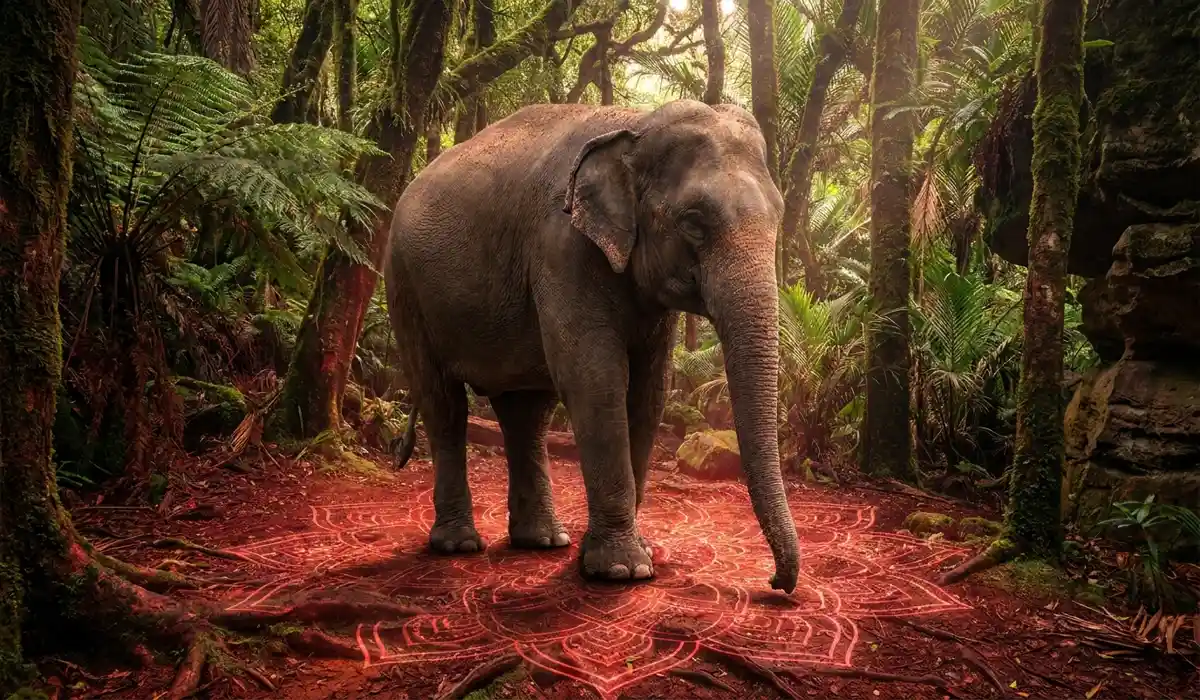
The philosophy of Ahimsa, or non-violence, is central to the elephant’s spirit. They are massive creatures that could cause great destruction, yet they choose to live peacefully unless provoked. This teaches us that strength is most honorable when it is paired with kindness. Using an elephant as a Mindfulness Anchor in your home helps remind you to choose peace over conflict every day.
To understand the deeper shamanic power behind this animal, you can watch this video about elephant spirit guides:
Video source:YouTube
Author:Dyan Garris
Original video link:https://youtube.com/watch?v=G9sQIVURD6Q
Trunk Up vs. Trunk Down: Decoding the Symbolic Language of Luck
When choosing decor, the position of the trunk is very important. Many people ask whether they should look for an elephant with its trunk up or down. Both have wonderful meanings, but they serve different spiritual purposes. Understanding these details can help you create a better Feng Shui Home environment for your family.
- Trunk Up: This position symbolizes the showering of good luck, victory, and celebration. It is used to welcome prosperity and joy into the house.
- Trunk Down: A lowered trunk represents longevity, grounding, and the ability to solve complex problems. It focuses on gathering energy and storing wisdom.
- Trunk Wrapped: If the trunk is wrapped around something, it symbolizes protection and the bonding of family members.
- Two Elephants: Having a pair of elephants can promote love and fidelity in a relationship.
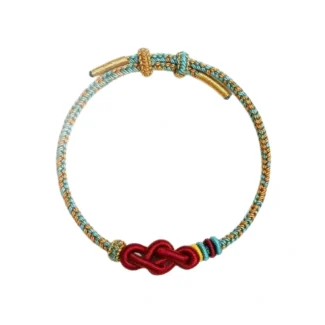
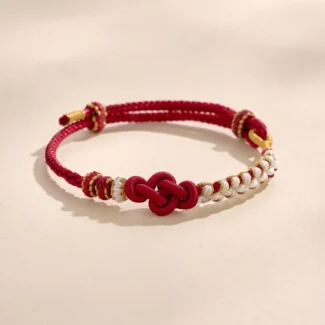
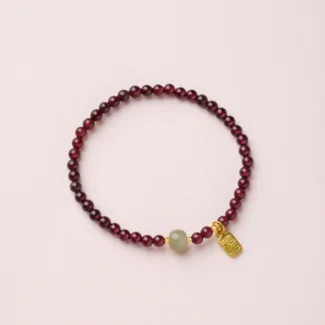
Each style offers a unique vibration for your living space. If you want to carry this protective energy with you beyond your home, a handcrafted elephant amulet or bracelet can be a beautiful choice. This piece combines karmic protection with the symbolic power of the elephant, helping you stay balanced throughout the day.

Feng Shui Placement: Guarding the Threshold and the Wealth Corner
Proper placement is the key to unlocking the benefits of elephant symbolism. In Feng Shui, the front door is known as the “mouth” where all energy enters. Placing a pair of elephants here acts as a filter. They guard the threshold, ensuring that only auspicious vibrations cross the doorpost while keeping negative energy out.
Enhancing the Wealth Corner
To attract financial growth, you can place an elephant in the Southeast sector of your home. This is traditionally known as the Wealth Corner. An elephant here symbolizes steady, unstoppable progress. Unlike symbols that represent fast luck, the elephant represents abundance that is built over time through wisdom and hard work. You can find more expert tips on placement from the Feng Shui Society.
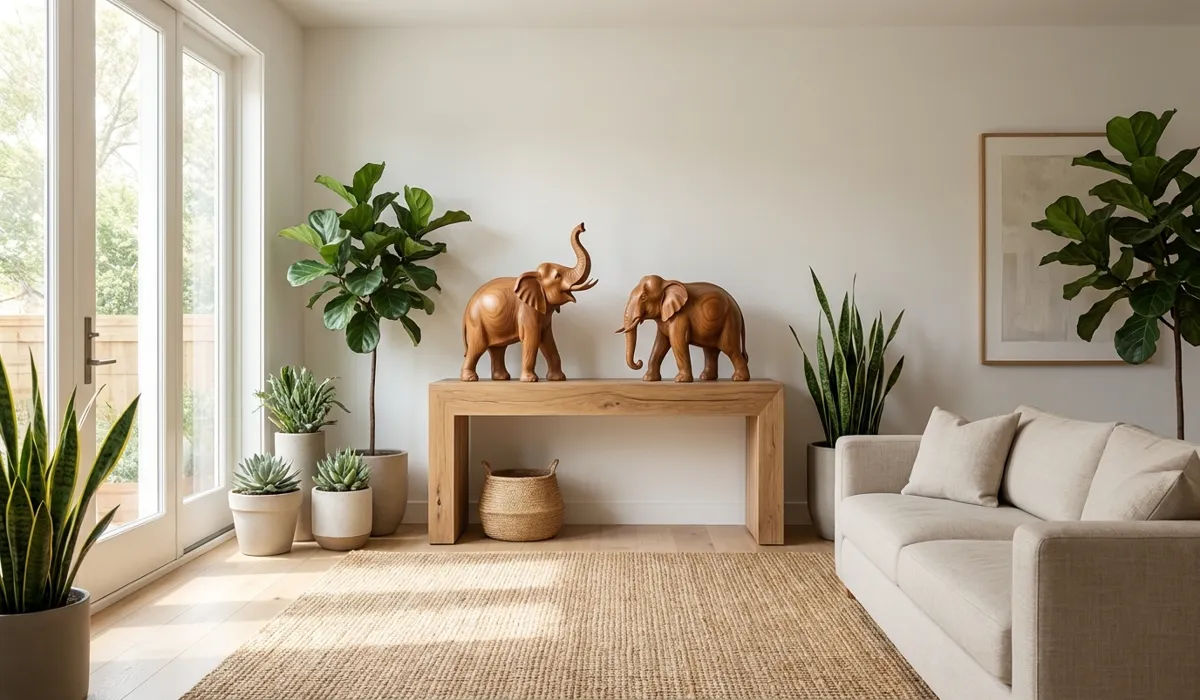
Stability in the Living Room
The living room is where the family gathers, and an elephant here can promote social cohesion. By acting as a “Wise Mother” or matriarchal figure, the elephant symbol encourages members of the household to support one another. It brings a sense of protection to the vulnerable and ensures that the collective memory of the family remains strong and positive.
Success in the Study or Office
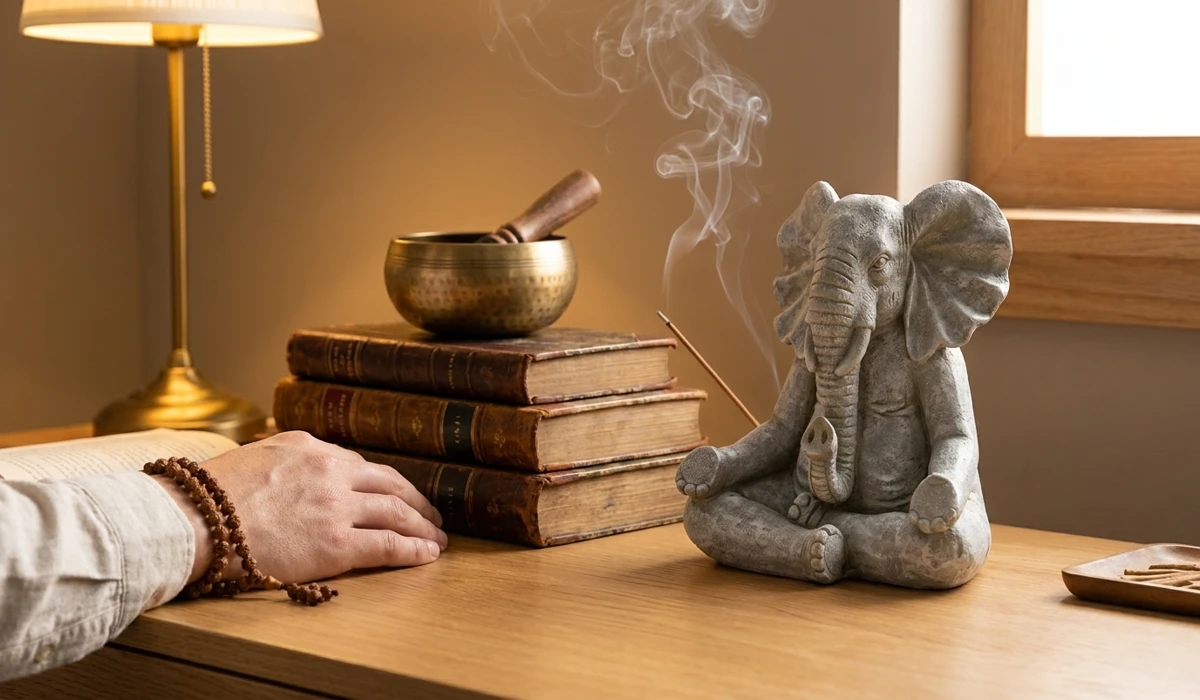
For students or professionals, the elephant is a powerful ally for memory and longevity. Placing a small figurine on a desk can help enhance concentration and academic persistence. It serves as a visual reminder to stay focused on long-term goals rather than getting distracted by short-term obstacles. This is especially helpful in the Career Sector located in the North.
Taboos & Respect: Proper Care for Your Elephant Totem
Because the elephant is a sacred guardian, there are certain rules we should follow to show respect. These customs ensure that the spiritual meaning of the symbol is honored. Following these guidelines helps maintain a high-vibration environment in your home and shows respect for the Vedic and Buddhist traditions.
Always elevate your elephant statues on a shelf, table, or pedestal. Placing a sacred guardian directly on the floor is considered disrespectful in many Eastern cultures. Additionally, always choose ethical materials like stone, wood, or resin. Avoiding real ivory is a way to honor the Ahimsa (non-violence) that the living elephant represents.
When it comes to direction, an elephant facing the door is welcoming good luck and prosperity. An elephant facing into the room is helping to retain the wealth and positive energy that is already inside. You can find more advice on creating a balanced space by visiting World of Feng Shui. Being mindful of these details makes your decor more than just an ornament; it becomes a living part of your spiritual practice.
| Culture | Core Symbolism | Divine Figure |
|---|---|---|
| Vedic Hinduism | Removing obstacles, Intellect | Lord Ganesha |
| Tibetan Buddhism | Purity, Spiritual descent | White Elephant |
| Feng Shui | Protection, Wealth attraction | Guardian of Threshold |
| Western View | Memory, Family loyalty | Matriarchal Guide |
How to Meditate with the Elephant Spirit for Emotional Stability
Connecting with the elephant doesn’t have to be just about decor; you can also use their energy in your meditation practice. This helps you develop strength and patience. When you feel anxious, visualize yourself as a steady elephant standing firmly on the earth. This grounding visualization helps settle the nervous system and brings you back to the present moment.
You can also practice “Path-Clearing” breathwork. As you inhale, imagine drawing in the immense power of the elephant. As you exhale, imagine pushing away any mental blockages or worries that are standing in your way. This simple ritual can be done for just a few minutes a day to clear your mind. For more inspiration on creating a sanctuary, check out our guide on Feng Shui Home design.
We also see the elephant as a symbol of resiliency. On Reddit, user purelander108 shared a photo of a unique elephant statue in Niagara:

*sources:[Our shining symbol of resiliency in Niagara](https://reddit.com/r/niagara/comments/1sm3sm4/our_shining_symbol_of_resiliency_in_niagara_an/)*
This image of an elephant “dancing” shows that even with great weight and power, there can be joy and balance. It is a reminder that being a Guardian of Wisdom also means finding lightness in life. To see more playful and meaningful options, feel free to Cute Animal Decor and find a piece that fits your personality.
Actionable Steps to Integrate Elephant Wisdom:
- Morning Grounding: Spend 1 minute touching your elephant statue to set an intention for a stable day.
- Study Anchor: Place an elephant near your computer to help you stay focused during deep work sessions.
- Threshold Blessing: Clean the area around your entrance elephants once a week to keep the energy fresh.
- Gratitude Practice: Use the elephant as a reminder to thank your ancestors for the wisdom they passed down.
Frequently Asked Questions
Q: What does an elephant with its trunk up mean in home decor for 2026?
A: An upward trunk symbolizes the showering of good luck, victory, and the welcoming of new prosperity into the 2026 energy cycle. It is a sign of outward-moving positive energy and celebration.
Q: Where is the best place to put an elephant statue for protection?
A: For domestic protection, place a pair of elephants facing outward at the front entrance to guard the threshold against negative influences. This creates a spiritual shield for everyone living inside.
Q: Can an elephant symbol attract wealth and career success?
A: Yes, especially when placed in the Wealth Corner (Southeast) or the Career Sector (North). It symbolizes steady, unstoppable progress and the wisdom needed to make good financial decisions.
Q: How can elephant symbolism help with anxiety and grounding in the digital age?
A: Through its association with the Root Chakra, the elephant provides a visual “weight” that helps settle the nervous system. Looking at the elephant encourages you to slow down and stay present.
Q: Is it disrespectful to have an elephant statue on the floor?
A: Traditionally, yes. As a sacred guardian and a personification of divinity in many cultures, the symbol should be placed on a shelf, table, or pedestal to show proper honor and respect.
Conclusion: Integrating the Elephant’s Wisdom
Integrating the elephant into your home is a beautiful way to invite protection and peace into your life. To be a “Guardian of Wisdom” is to hold great power but choose the path of non-violence and patience. By understanding the divine legends and following the rules of placement, you transform your house into a sacred space. We hope that the presence of the elephant brings you stability and clears your path of all obstacles. If you are looking for the perfect piece to start your journey, you may explore Cute Animal Decor to find the guardian that speaks to your soul.
This content is for informational and cultural exchange purposes only. It does not constitute medical, legal, financial, or other professional advice. If you have specific needs, readers should consult with a qualified professional.

Written by the Buddha Bodhis Team
Since 2020, we have been devoted to exploring traditional year-based wisdom, classical Feng Shui principles, and the rich spiritual symbolism rooted in Eastern cultural heritage. Our work bridges ancient metaphysical systems with modern life, interpreting annual cycles, elemental energies, and symbolic meanings to offer thoughtful insight and practical guidance. Through continuous research and practice, we aim to preserve traditional knowledge while making it accessible, relevant, and meaningful for contemporary seekers of balance, intention, and personal growth.
TikTok | YouTube | Pinterest | X
buddhabodhis@gmail.com