


Sip silence. Hold the universe in the palm of your hand.
In the Zen tradition, “Tea and Zen are one flavor.” A **Tea Cup** is not just a vessel for hydration; it is a tool for **Mindfulness**. The warmth of the ceramic against your palms anchors you in the present moment, turning a daily routine into a sacred ritual.
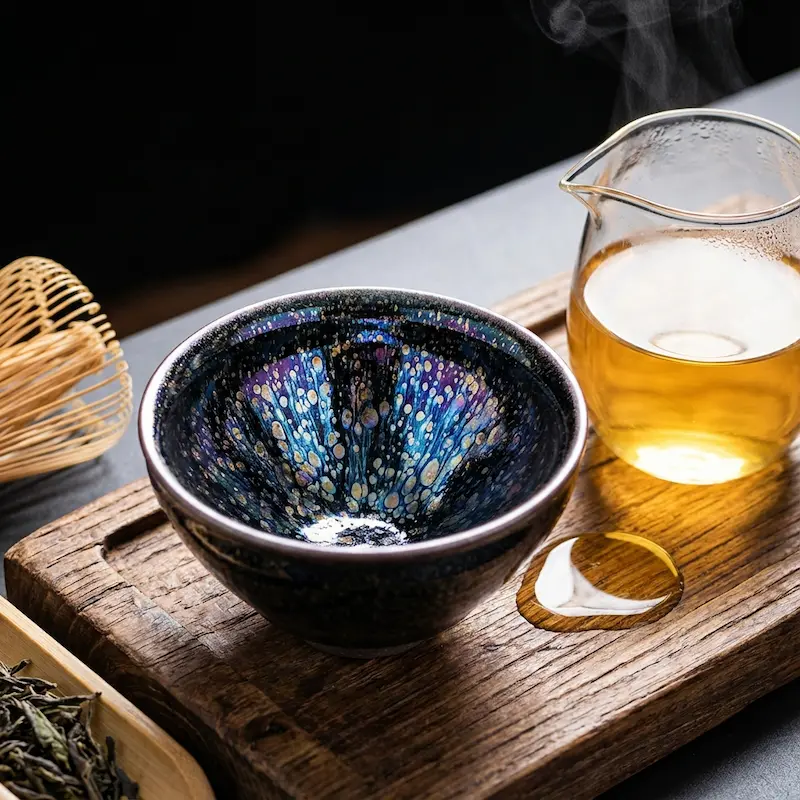
Our collection features handcrafted **Tenmoku (Jian Ware)**, **Celadon**, and **Wood-Fired Pottery**. Each piece is a unique landscape of glazes, designed to complement your Zen Garden and elevate your daily pause.
The Glaze Guide: Why do Tenmoku cups look like a galaxy?
- Styles: Handleless Cups, Gongfu Sets, Matcha Bowls
- Artistry: Reactive Glazes, Hand-Thrown, Kiln Transmuted
- Best For: Serenity, Slow Living, Tea Meditation
No products were found matching your selection.
🍵 Why No Handle? The Philosophy of Touch
You might notice that traditional Asian tea cups do not have handles. This is intentional design, not a lack thereof.
The Tactile Connection: By holding the cup directly with your fingers, you are forced to engage with the temperature of the tea. If the cup is too hot to hold, the tea is too hot to drink. This creates an immediate, physical connection between you and the beverage, enforcing a slower, more mindful pace. It invites you to cradle the warmth, engaging the sense of touch in your meditation.
🎨 The Glaze Library: Tenmoku vs. Celadon
Our pottery is defined by its “Kiln Transformation.” The fire paints the cup. Use this guide to understand the art:
| Style Name | Appearance | Spiritual Vibe |
|---|---|---|
| Tenmoku (Jian Ware) |
Dark & Cosmic. Black or dark iron glaze with streaks of silver, blue, or gold (Rabbit’s Hair, Oil Spot). Looks like a galaxy or dragon eye. | Mystery & Depth. The dark color makes the green tea look deeper. Represents the void and the universe. |
| Celadon (Ru Ware) |
Jade-Green / Blue. A thick, unctuous glaze that feels like soft jade stone. Often has “crackle” lines (ice cracks). | Purity & Calm. Resembles jade and water. Represents moral integrity and tranquility. |
| Wood Fired (Rustic) |
Raw & Earthy. Unglazed or naturally glazed by falling wood ash in the kiln. Rough texture. | Wabi-Sabi. Celebrates imperfection and nature. Grounds the user to the Earth Element. |
🧘♀️ How to Perform a “Tea Meditation”
You don’t need a complex ceremony. You just need intention.
- Prepare: Set your cup on a Bamboo Tray. Light a stick of Sandalwood Incense.
- Pour: Listen to the sound of the water hitting the ceramic. This is the “Sound of the Cloud.”
- Hold: Cup the vessel with both hands. Feel the heat transfer to your skin.
- Sip: Take a small sip. Don’t swallow immediately. Let the flavor expand.
- Breathe: Exhale worries. Inhale peace. Repeat until the cup is empty.
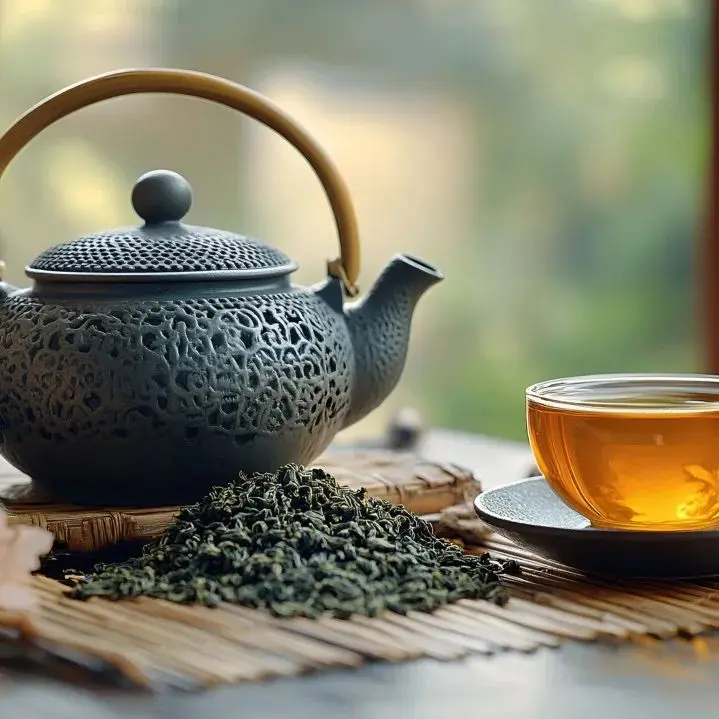
🍂 Raising the Pot (Yang Hu)
Ceramic tea ware is considered “alive.” Over months and years of use, the tea oils slowly seep into the micropores of the glaze (especially with Ru Ware crackles or unglazed clay).
This creates a golden thread-like line called “Jinsixian” (Golden Thread) in the cracks. The cup becomes seasoned, telling the story of every tea you have ever drunk. This connects you to the object on a deep, personal level.
🏡 Creating a Zen Tea Corner
Elevate your tea experience by surrounding yourself with the right energy:
- The Guardian: Place a Tea Pet (Cute Animal Decor) on your tea tray. Pour leftover tea over it to “feed” it.
- The Atmosphere: A Zen Garden nearby provides a visual focus while you sip.
- The Sound: Soft background chimes from a Wind Chime enhance the sensory relaxation.
❓ Frequently Asked Questions
Q: Are these cups safe to drink from?
A: Yes. All our teaware is tested to be food-safe. The reactive glazes (like Tenmoku) are fired at extremely high temperatures (over 1300°C), which stabilizes the minerals. They are lead-free and non-toxic.
Q: Can I use them for coffee?
A: Absolutely. While designed for tea, the thermal properties of the thick ceramic keep coffee hot for longer. The smaller size is particularly perfect for espresso or cortado lovers who want a mindful coffee break.
Q: How do I clean expensive tea ware?
A: Avoid the dishwasher. The harsh detergents can dull the glaze and the vibration can cause chipping. Simply rinse with warm water. If necessary, use a mild, unscented soap. For unglazed cups, use water only to preserve the “seasoning.”
Q: Why are the cups smaller than Western mugs?
A: In the Eastern “Gongfu” style of tea drinking, the focus is on Quality over Quantity. Small cups allow the tea to cool to drinking temperature quickly, so you can enjoy multiple small, fresh infusions rather than one giant mug that gets cold.
Taste the stillness. Shop our handcrafted collection of Zen tea cups below.
📝 Curated by: Buddha Bodhis Spiritual Team