


Showering with Your Bracelet: Which Materials Are Safe? is a question many of us ask every morning. We love our jewelry and want to wear it all the time without worry. However, water can be a friend or an enemy to your favorite pieces depending on what they are made of.
- Water-safe gemstones like Quartz and Amethyst are generally safe for the shower.
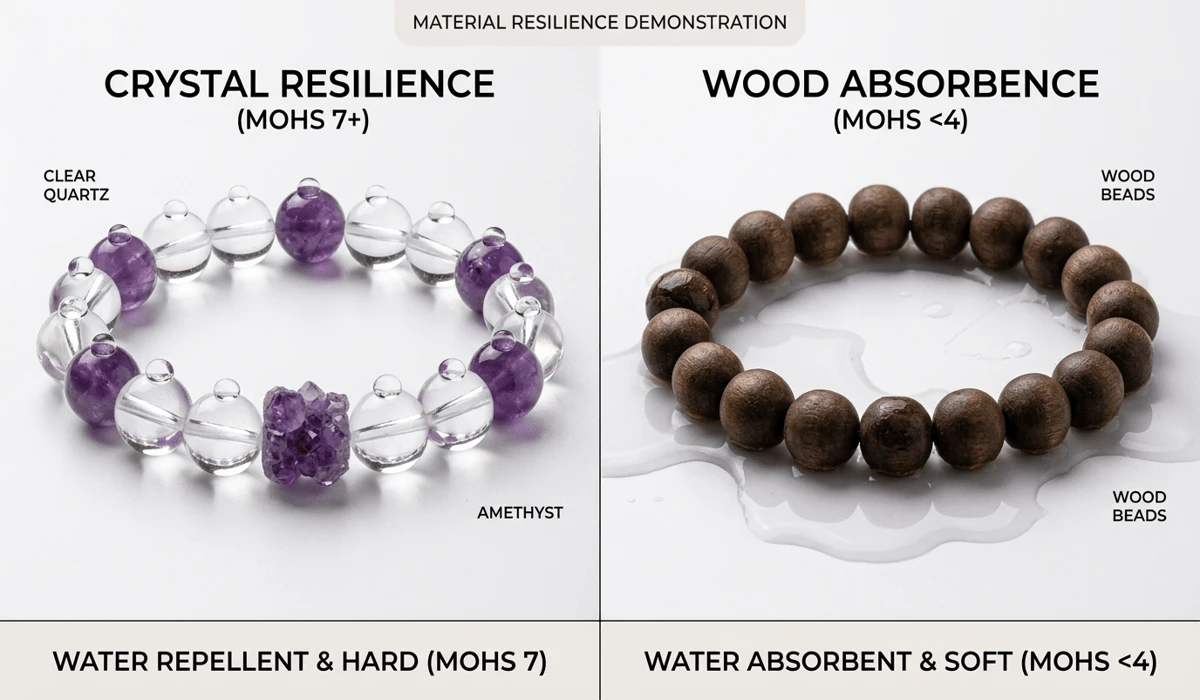
- Porous materials and organic beads are highly prone to wooden bead water damage.
- The Mohs hardness scale for jewelry helps determine if a stone can handle daily moisture.
- Chemicals in soap and shampoos can cause a negative chlorine and gemstone reaction over time.
- Proper spiritual bracelet maintenance includes keeping both the stone and the string clean and dry.
What Is Showering with Your Bracelet?
Definition
Showering with your jewelry refers to the habit of keeping your accessories on during your daily washing routine. It involves exposing your bracelets to warm water, high humidity, and various cleaning products. This practice requires a deep understanding of material science to avoid permanent damage to your precious items.
We must look at how water interacts with different surfaces at a microscopic level. For many, this is about convenience and the desire for a “wear it and forget it” lifestyle. However, not all materials are built to withstand the constant cycle of getting wet and drying out.
An assessment of safety includes looking at the Mohs hardness scale for jewelry. This scale tells us how scratch-resistant a stone is, which often correlates with its density. High-density stones tend to be less porous and more resistant to water penetration.
Origin & Materials
Bracelets come from many different traditions and use a wide range of natural and man-made components. Many of our pieces at the Buddha Bodhis studio use minerals that formed over millions of years deep within the Earth. These stones have different physical properties that dictate how they handle a modern bathroom environment.
Some designs use water-safe gemstones that are naturally crystalline and very hard. Others incorporate organic elements like seeds, wood, or leather that are much more delicate. When we design these pieces, we consider how the silk cord water exposure might weaken the structural integrity of the bracelet over several months.
According to the Gemological Standards Organization, the internal structure of a stone determines its porosity. Porous stones have tiny gaps that can trap water, soap, and skin oils. This buildup can lead to discoloration or even cause the stone to crack from the inside out.
Basic Characteristics
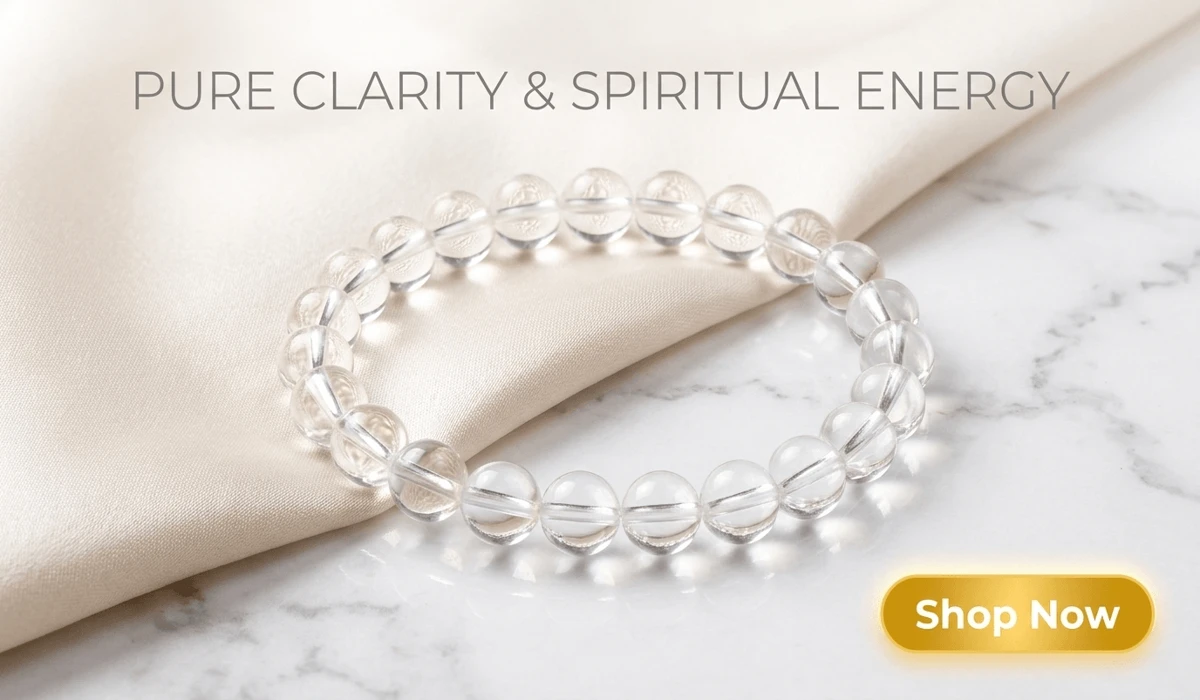
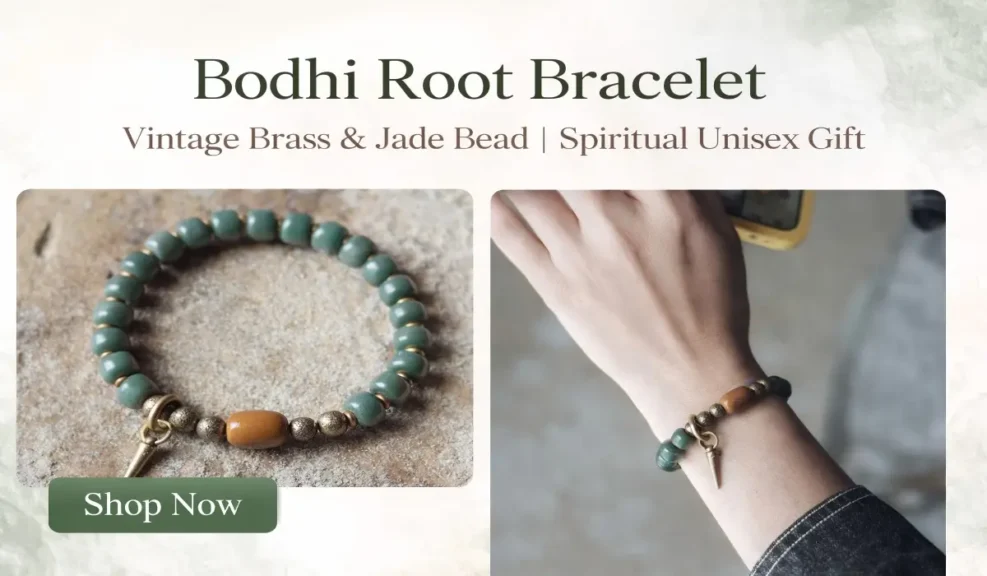
Non-porous materials are the gold standard for anyone who wants to shower with their jewelry. These items do not absorb liquid, so they stay bright and shiny even after many baths. Stones like Jade, Agate, and Clear Quartz are excellent examples of these durable materials. Since Agate is one of the most durable non-porous gemstones, it’s an excellent choice for everyday jewelry. If you’re looking for a bracelet that combines lasting beauty with calming natural energy, explore our handcrafted Green Agate Chalcedony Bracelet.

Green Agate Chalcedony Bracelet – Vitality, Inner Peace & Vintage Elegance
- 💎 Gemstone: Natural Green Agate & Chalcedony
- ✨ Features: Hand-polished round beads with a vintage “Ping An” safety buckle charm
- 📏 Dimensions: 0.08 in – 0.16 in (2mm – 4mm) bead diameter range
- ✋ Placement: Wear on the left hand to receive the stone’s nourishing energy and protection
Porous materials are much more sensitive to the corrosive effects of tap water and hygiene chemicals. These include organic items like pearls or sandalwood beads which can swell and rot. Soft stones like Selenite can actually dissolve if they stay in water for too long.
Chemical reactivity is another major factor to consider before you step into the steam. Tap water often contains chlorine, fluoride, and minerals that can leave a film on your stones. This film dulls the natural luster and can interfere with the perceived energy of the piece.
Spiritual Meaning & Symbolism
Traditional Symbolism
In many cultures, bracelets are seen as powerful tools for moving energy throughout the body. They act as filters that help us stay grounded and protected from negative vibes. Wearing a stone constantly allows its frequency to blend with your own personal aura.
Materials like Bodhi seeds or Sandalwood represent a deep connection to the Earth and the cycle of life. They help the wearer feel steady during times of change or stress. Understanding the Common Crystal Meanings helps us choose the right stone for our specific life goals.
The continuous wear of a talisman is often a sign of devotion or a commitment to a specific path. Keeping the bracelet on during a shower can feel like keeping that intention close at all times. However, we must balance this spiritual desire with the physical needs of the material.
Chakra Associations
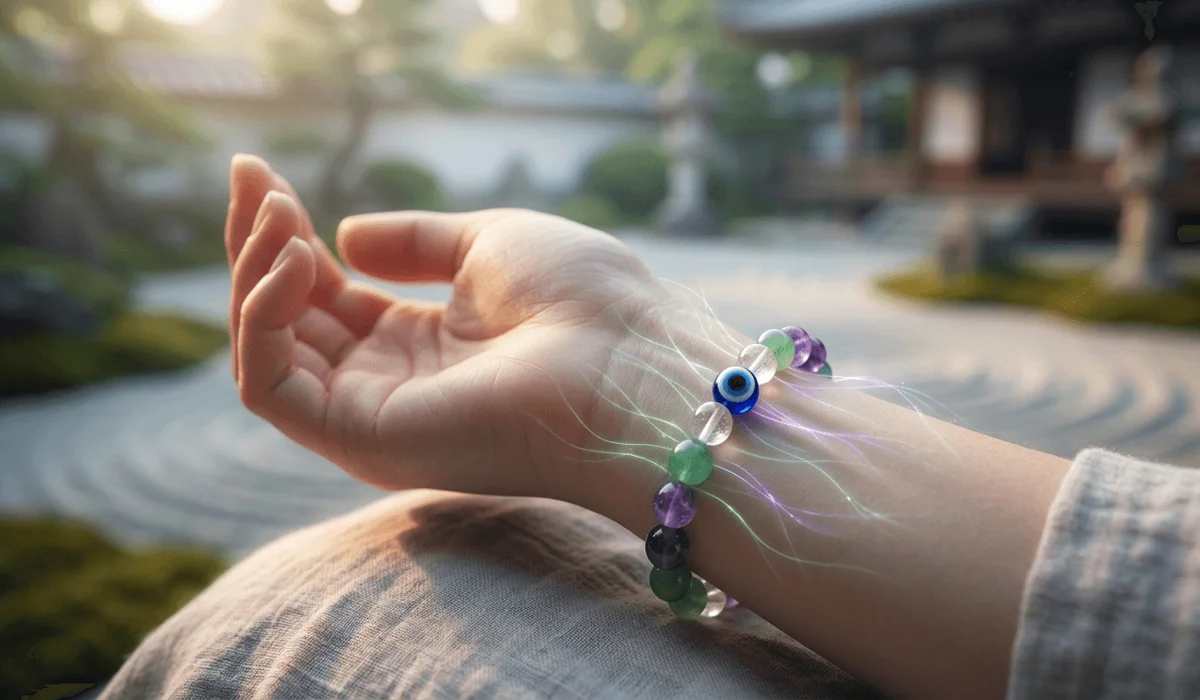
The wrist is a very sensitive area where many energy meridians come close to the surface of the skin. Wearing stones here is believed to directly influence the flow of Chi(气) throughout the arms and upper body. Specific colors are often chosen to align with the different energy centers, or chakras.
For example, a green stone like Aventurine might be worn to support the Heart Chakra. A purple stone like Amethyst is often linked to the Third Eye or Crown Chakra. Placing these stones near your pulse points is thought to amplify their vibrational effects on your energy body.
When we shower, we are often in a state of relaxation and openness. Some practitioners believe this is a great time for the stones to work on our energy. The flowing water can symbolize the movement of stagnant energy away from our field.
Cultural or Historical Context
Bathing has been a sacred ritual in many societies for thousands of years. Ancient civilizations often used gold and silver during these rituals because these metals do not tarnish easily. They believed that gold represented the sun and silver represented the moon, bringing cosmic balance to the bath.
In modern times, we use a Feng Shui Practical approach to keeping our jewelry clean and vibrant. We believe that dirt and soap residue can create “clogged” energy in a stone. Keeping your pieces physically clean is a way to respect the natural gift that the Earth has provided.
Some historical traditions actually encouraged cleansing crystals with water as a way to reset them. They would use natural springs or rainwater to wash away old vibrations. Today, we must be careful because our tap water is much more chemically treated than the water used in the past.
Benefits & Intentions Associated with Your Bracelet
Common Associated Intentions
One of the biggest benefits of wearing your bracelet in the shower is the feeling of constant support. Many of our clients at Buddha Bodhis want to maintain their focus on mindfulness throughout the entire day. They don’t want to break that connection by taking their jewelry off every few hours.
Convenience is another major factor for people with busy, modern lifestyles. It can be easy to forget to put your jewelry back on after a shower. By choosing durable materials, you can ensure that your intention-setting tool stays with you from the moment you wake up.
Using the shower as a dual-purpose space for cleaning both yourself and your jewelry is very efficient. You can focus on washing away the stress of the day while also physically rinsing your stones. This creates a powerful mental association between physical cleanliness and spiritual clarity.
Mindfulness & Personal Practices
The act of showering can become a meditative ritual when you are mindful of your jewelry. You can observe the water beads rolling off the smooth surface of a Quartz stone. This simple observation can help ground you in the present moment and reduce feelings of anxiety.
Watching how different materials age over time can also be a lesson in impermanence. Even the hardest stones will change slightly over many years of wear. This reminds us to cherish the present state of our tools and our own lives.
Developing a routine for crystal jewelry care shows a high level of discipline. It means you are taking the time to honor the natural world by looking after its resources. This respectful attitude can enhance your overall spiritual practice and connection to your jewelry.
How to Wear Your Bracelet
Left Hand vs Right Hand (Feng Shui Logic)
In traditional Feng Shui, the hand you choose to wear your bracelet on makes a big difference. The left hand is known as the “receiving” hand and is used to bring energy into the body. If you want to absorb the healing properties of a stone, the left side is usually the best choice.
The right hand is the “giving” hand, which is used for projecting energy outward. We suggest wearing protective stones on the right wrist to create a barrier against external negativity. You can learn more about this by exploring the Left Hand Meaning in our detailed guide.
Choosing which side to wear your bracelet on depends on your specific goals for that day. Some people even choose to wear different bracelets on each wrist to find a perfect balance. This allows them to receive positive energy while also staying protected from outside stress.
When People Choose to Wear It
Most people choose to wear their bracelets daily to provide a continuous sense of calm. Whether you are at work or running errands, the weight of the beads on your skin is a gentle reminder of your goals. It helps you stay centered even when the world around you feels chaotic.
During meditation, a bracelet can act as an anchor for your focus. Some practitioners use the beads like a mala to count breaths or mantras. This physical connection to the practice makes it easier to enter a deep state of relaxation and peace.
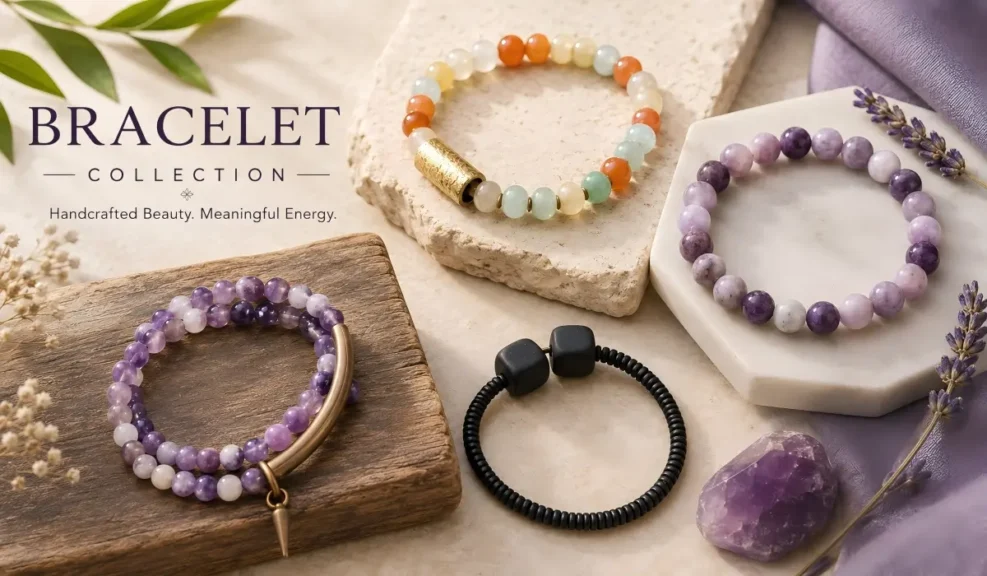
If you are looking for high-quality pieces, you can explore Beautiful Artisan Bracelets in our online collection. We offer many styles that are designed for both beauty and long-term durability. Each piece is crafted with intention to support your personal journey.
Intention-Setting Practices
Before you put on your bracelet, take a moment to hold it in both hands. Close your eyes and visualize the specific energy or feeling you want to carry with you. This simple act “programs” the stone with your unique intention for the day ahead.
Throughout the day, if you feel stressed, you can touch the beads and take a deep breath. This helps you reconnect with the intention you set in the morning. It is a powerful way to stay mindful and present in every situation you encounter.
When you take the bracelet off at night, you can offer a small word of thanks. This ritual of gratitude helps maintain a positive relationship with your spiritual tools. It also gives you a chance to check the bracelet for any signs of wear or damage.
Which Bracelet Materials Are Safe to Wear in the Shower?
Porous vs Non-Porous Stones
The difference between porous vs non-porous stones is the most important thing to know for shower safety. Non-porous stones have a very tight crystal structure that water cannot enter. This makes them much more durable and easier to keep clean over long periods of time.
Hardness is another key factor in determining water safety. Most stones that are above a 6 on the Mohs scale are safe for brief water exposure. These include favorites like Amethyst, Rose Quartz, and Citrine, which are all part of the quartz family.
On the other hand, Selenite water sensitivity is a major concern for many collectors. Selenite is a very soft mineral that can actually start to dissolve if it gets too wet. It will lose its beautiful silky shine and become dull or even white and chalky if not kept dry.
| Material Type | Mohs Hardness | Shower Safety | Main Concern |
|---|---|---|---|
| Clear Quartz | 7 | High | Soap Scum |
| Selenite | 2 | None | Dissolving |
| Wood/Sandalwood | N/A | Low | Rot/Cracking |
| Lapis Lazuli | 5-6 | Medium | Color Fading |
Hematite Rust Prevention vs Stainless Steel
Natural Hematite is a beautiful, heavy stone that is actually an iron oxide. Because it contains iron, Hematite rust prevention is a real issue when it comes to water exposure. If a Hematite bracelet is not dried completely, it can develop small rusty spots that ruin its metallic finish.
Stainless steel is a much better choice for people who want a “waterproof” metallic look. It is highly resistant to rust and corrosion, making it perfect for the shower. Many high-quality bracelets use stainless steel spacers to ensure the piece lasts for many years.
Visual changes are also something to watch for in natural stones. Over time, some stones might develop a “patina” or a slightly different color due to minerals in the water. Metals like copper or low-quality silver will turn green or black much faster when exposed to moisture and soap.
Video source:YouTube
Author:Jewelry Market Spotlight
Original video link:https://www.youtube.com/watch?v=75F66BmU7bM
Who Is This Guide Suitable For?
Chakra or Energy Alignment
This guide is perfect for anyone who uses jewelry as a tool for energetic balance. We know how important it is to keep your “energy filters” in top shape. If a stone becomes damaged or dull, its perceived vibrational power might be affected by the physical change.
According to the International Gemological Association, thermal shock from hot water can cause internal fractures in some stones. Practitioners who work with energy need to be aware of these physical risks. A broken stone can sometimes feel like a “broken” connection to that specific healing frequency.
If you enjoy using water in your spiritual rituals, this guide will help you do it safely. You can learn which stones enjoy a “bath” and which ones prefer to be cleaned with smoke or sound. This ensures that your spiritual tools remain functional and beautiful for a lifetime.
Zodiac or Astrological Associations
People who wear birthstones or zodiac-aligned crystals often feel a very strong personal bond with their jewelry. For example, those born under water signs like Scorpio or Pisces might naturally love being in the water. They might feel a strong urge to keep their bracelets on while swimming or bathing.
If your birthstone is a soft gem like Opal or Turquoise, you need to be extra careful. These stones are very porous and can absorb chemicals that change their color forever. Understanding your specific stone’s needs is a way to honor your astrological heritage and keep your symbol safe.
For more general information on how various cultures view these materials, you can check the global encyclopedia database. It provides a wide range of historical facts about how different minerals have been used throughout time. This can give you even more context for your personal jewelry choices.
Lifestyle & Personal Intentions
Active individuals and athletes often need to know about elastic thread durability. Sweat and shower water can cause elastic to become brittle and snap without warning. If you lead a high-energy lifestyle, choosing bracelets with strong cords or wire is a smart move.
Minimalists who only want to own a few pieces will benefit from choosing high-hardness stones. By selecting items like Obsidian or Agate, you can be sure your jewelry will survive daily wear and tear. You won’t have to worry about taking them off every time you wash your hands or get in the shower.
Anyone who wants to learn more about their stones can visit our Common Crystal Meanings page. We provide detailed insights into the physical and metaphysical properties of many popular gemstones. This knowledge helps you make better decisions about which pieces to buy and how to care for them.
How to Cleanse, Charge, and Care for Your Bracelet
Cleansing Methods
Using running water is a great way to cleanse water-safe gemstones like Black Obsidian. It is thought to wash away negative energy and physically clean the surface of the stone. Just a few minutes under a cool tap can make a piece feel “refreshed” and ready for use.
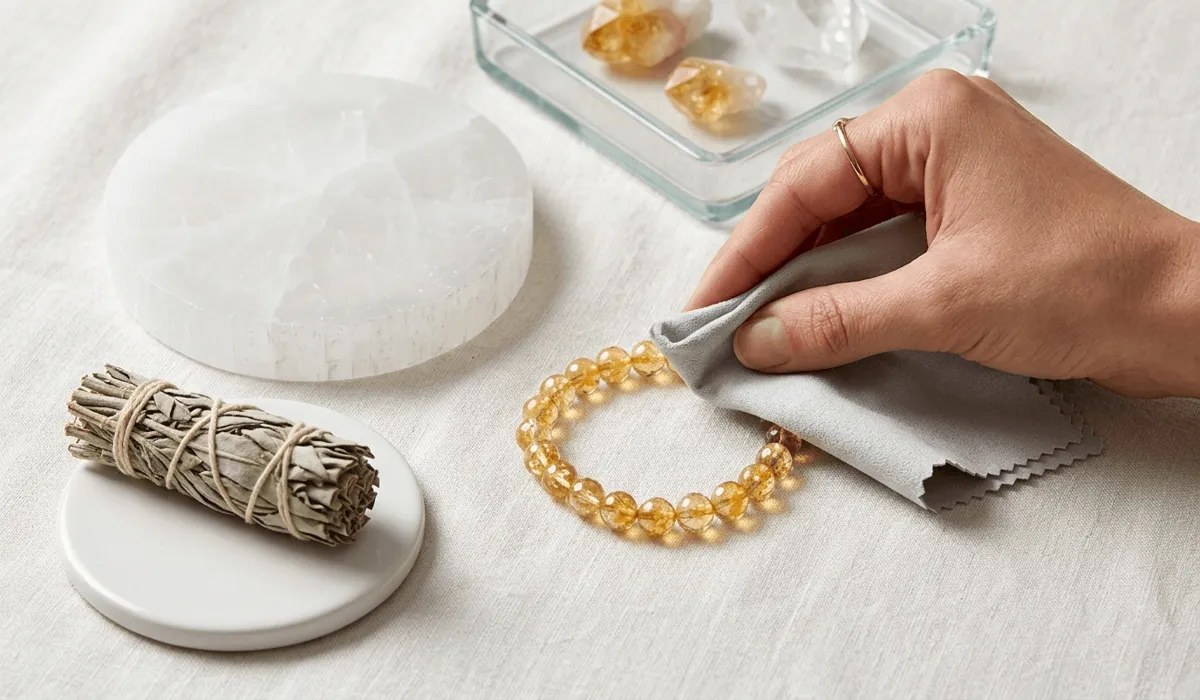
However, you should always avoid water for delicate items like Kyanite or Selenite. For these, we recommend using smoke from sage or palo santo to clear the energy. You can also use sound from a singing bowl to vibrate away any stagnant frequencies without risking water damage.
Always remember to remove soap residue on jewelry as soon as you finish your shower. Soap can leave a white film that makes stones look cloudy and hides their natural beauty. A quick rinse with plain, filtered water after your shower is a good habit to develop.
Charging Practices
Once your bracelet is physically clean, you can “charge” it by placing it in a bowl of filtered water. Doing this under the light of a full moon is a popular way to reset the stone’s energy. Just make sure the stone is one of the water-safe gemstones mentioned earlier in this guide.
You can also charge your jewelry by placing it on a Selenite plate. Even though Selenite should stay dry, it is excellent at refreshing the energy of other stones. Simply rest your bracelet on the plate overnight to keep it energetically vibrant and ready for the next day.
Setting intentions is another vital part of the charging process. Hold your cleaned bracelet and visualize it being filled with bright, positive light. This helps align the stone’s energy with your personal goals and desires for the future.
Daily Care & Storage
Proper jewelry drying techniques are just as important as the washing process itself. After getting your bracelet wet, always pat it dry with a soft microfiber cloth. This prevents water spots and ensures that moisture doesn’t sit on the string for too long.
When you are not wearing your bracelets, store them in a dry, soft-lined box. Keeping them away from the bathroom’s humidity when not in use helps prevent the corrosive effects of tap water minerals. A cool, dark place is often the best environment for preserving natural gemstones.
Regularly check the integrity of your bracelet’s cord or elastic. Look for any fraying or signs that the material is losing its stretch. This is the best way to prevent accidental breaks and ensure you don’t lose your favorite beads while you are out and about.
Frequently Asked Questions
Q: Can I shower with my crystal bracelet on?
A: It depends on the specific stone and the material of the string. Hard stones like Quartz are usually fine, but soft or porous stones can be damaged by water and soap. Additionally, repeated exposure to water can weaken the elastic or silk thread over time.
Q: Which gemstones are ruined by water exposure?
A: Stones such as Selenite, Halite, and Desert Rose are water-soluble and can physically dissolve or become very dull. Other stones like Malachite or Pyrite can react with water to release harmful substances or develop rust on their surface.
Q: Does soap damage the elastic thread in bracelets?
A: Yes, the chemicals and oils found in most soaps and shampoos can cause elastic to become brittle. Over time, this leads to the thread losing its stretch and eventually snapping unexpectedly during wear.
Q: Is it okay to wear a wooden bracelet while bathing?
A: No, wood is highly porous and will absorb water, which causes it to swell and eventually crack. Constant wetting and drying can also lead to mold growth or the loss of natural oils and finishes.
Q: Does tap water affect the spiritual energy of crystals?
A: Some practitioners believe that the chemicals in tap water, like chlorine, can muddle the energetic frequency of a stone. While physical cleaning is important, many prefer using natural water sources for spiritual cleansing rituals.
Conclusion & Gentle Next Step
Taking care of your jewelry is a wonderful way to practice mindfulness and show respect for your tools. By understanding which materials are safe for the shower, you can keep your bracelets looking beautiful for many years. Always remember to check the hardness and porosity of your stones before getting them wet.
If you are ever unsure about a material, the safest choice is to remove the bracelet before you step into the water. This small effort can prevent accidental damage and keep the structural core of your jewelry strong. Your stones will thank you by maintaining their brilliant luster and energetic clarity.
We invite you to explore our wide range of artisan-crafted pieces at the Buddha Bodhis Studio. Each one is made with care and designed to bring balance and intention into your life. Visit our website today to find the perfect piece that fits your unique lifestyle and spiritual needs.
The content provided in this article is for informational and cultural exchange purposes only. It does not constitute medical, legal, financial, or other professional advice. Readers should consult with a qualified professional if they have specific concerns regarding their jewelry or health.

Written by the Buddha Bodhis Team
Since 2020, we have been devoted to exploring traditional year-based wisdom, classical Feng Shui principles, and the rich spiritual symbolism rooted in Eastern cultural heritage. Our work bridges ancient metaphysical systems with modern life, interpreting annual cycles, elemental energies, and symbolic meanings to offer thoughtful insight and practical guidance. Through continuous research and practice, we aim to preserve traditional knowledge while making it accessible, relevant, and meaningful for contemporary seekers of balance, intention, and personal growth.
TikTok | YouTube | Pinterest | X
buddhabodhis@gmail.com