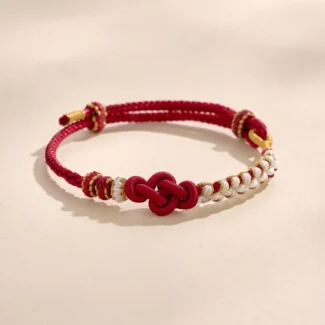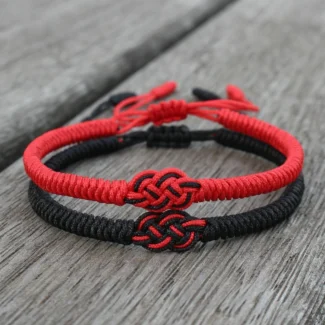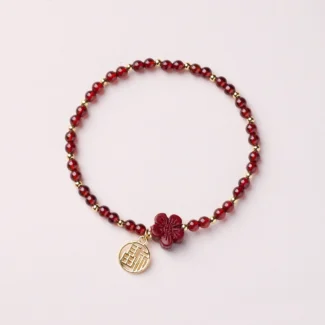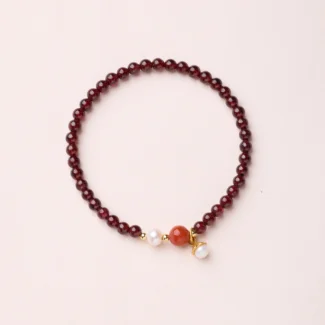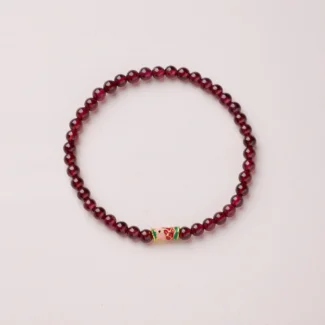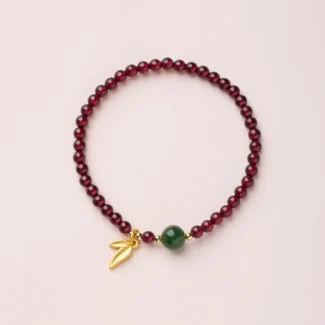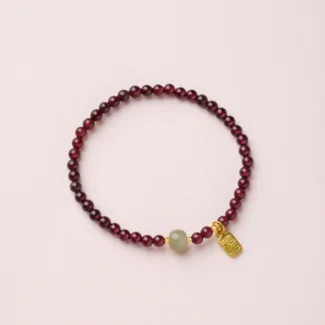


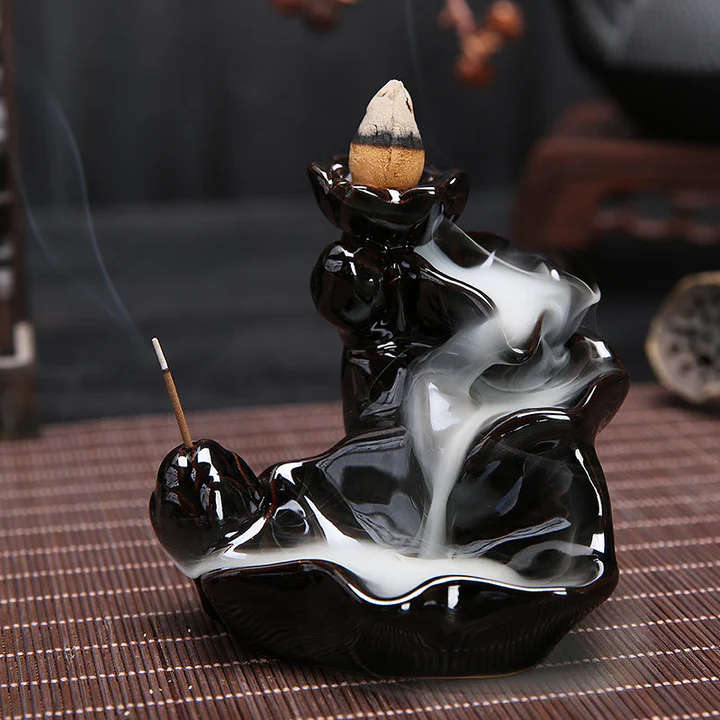

Wearing Buddha jewelry is generally considered respectful if the wearer approaches the symbol with genuine intention and follows traditional cultural etiquette. Many people find that these sacred pieces serve as powerful reminders of mindfulness, compassion, and inner peace in their daily lives.
- Buddha jewelry is a symbol of enlightenment and spiritual guidance rather than just a fashion trend.
- The “above the waist” rule is the most important etiquette to follow for showing respect.
- Cultural appreciation involves understanding the history and meaning behind the sacred imagery.
- Both practitioners and non-Buddhists can wear these symbols if they maintain a reverent attitude.
- Proper storage and cleansing help maintain the physical and energetic integrity of the piece.
Is it Disrespectful to Wear Buddha Jewelry? (Cultural Guide)
Definition and Context
The cultural significance of Buddha images in wearable forms is deeply rooted in the desire for protection and spiritual connection. In many Eastern traditions, wearing a likeness of the Buddha is seen as carrying the teacher’s wisdom with you throughout the day.
There is a clear distinction between using religious amulets for devotion and treating sacred symbols as mere fashion accessories. When we wear these pieces mindfully, we honor a tradition that spans thousands of years and millions of practitioners worldwide.
Ensuring respect involves more than just wearing the item; it requires an awareness of the values the Buddha represents. This includes practicing kindness, patience, and non-attachment while the jewelry rests against your skin.
Origin & Materials
Traditional Thai Buddhist amulet customs provide a rich history for why people wear these sacred items. Originally, amulets were created by monks in temples to help fund the community and offer protection to the laypeople.
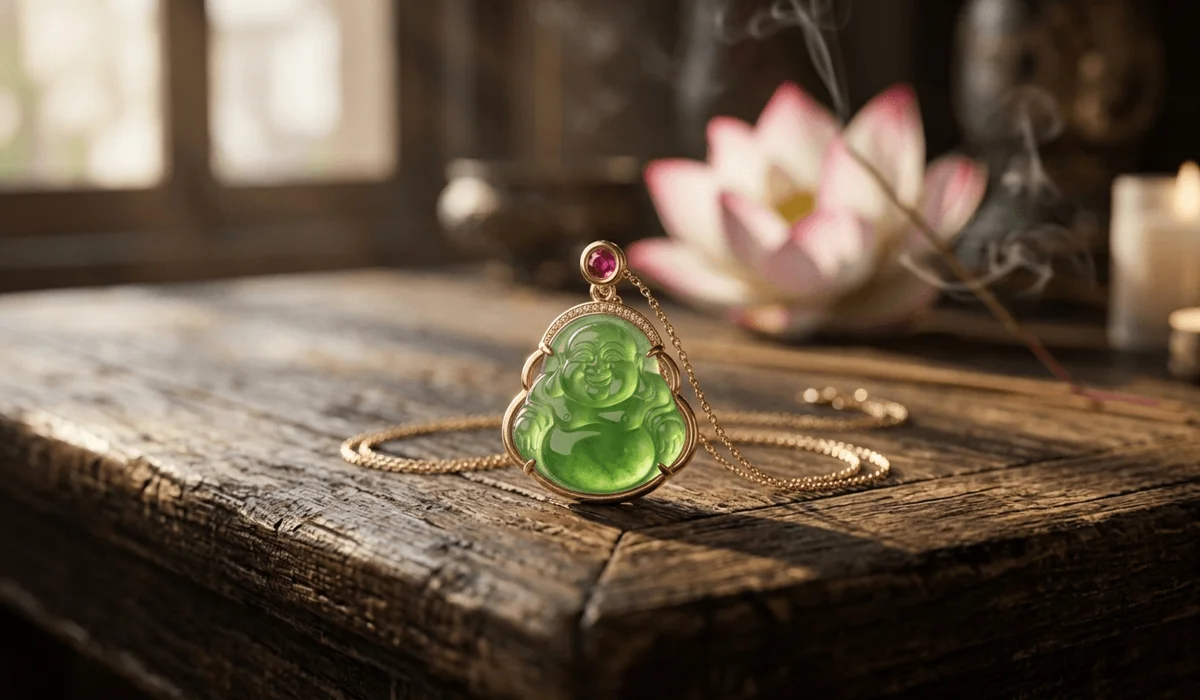
Materials used in these pieces often carry their own significance, such as the Natural Stone Properties found in many spiritual carvings. Jade, for instance, is highly valued for its association with purity, longevity, and heart-centered energy in many Asian cultures.
The evolution from temple offerings to contemporary spiritual jewelry has made these symbols accessible to a global audience. While the designs have modernized, the core purpose of providing a spiritual anchor remains the same for many wearers.
Basic Characteristics
Iconography often features the historical Gautama Buddha in various meditative poses or the joyful figure of the Laughing Buddha. Each pose and facial expression carries a specific message about the state of mind one wishes to cultivate.
Design elements like the Dharma wheel (法轮) and lotus flower motifs are frequently integrated into the jewelry. These symbols represent the cycle of birth and rebirth and the ability to rise above mundane suffering into a state of purity.
Pendant styles range from minimalist outlines in gold or silver to highly detailed 3D carvings in precious stones. Regardless of the style, the focus remains on the serene presence of the enlightened figure.
Spiritual Meaning & Symbolism
Traditional Symbolism
Buddha pendants serve as a constant reminder of the path toward enlightenment and the ultimate goal of Nirvana (涅槃). Looking at the image can help center your mind when you feel overwhelmed by the stresses of modern life.
Understanding different Mudras (手印), or hand gestures, is essential for choosing a piece that aligns with your needs. For example, the “Abhaya” mudra represents fearlessness and protection, offering a sense of security to the wearer.
Buddha jewelry acts as a visual “Dharma” (佛法), teaching us through its presence without the need for spoken words. It encourages the wearer to embody the qualities of the Buddha in every interaction and thought.
Chakra Associations
There is a strong connection between Buddha pendants and the Heart Chakra (心轮), which governs compassion and love. Placing the pendant near the chest helps open this energy center, allowing for more empathy toward oneself and others.
The Third Eye Chakra (三眼轮) also plays a role when we use the symbol to seek deeper wisdom and mental clarity. It helps the wearer see beyond illusions and understand the true nature of reality as taught in Buddhist philosophy.
Using specific stones in Buddha jewelry can further balance energy centers during meditation. For instance, a Gemological Material Science approach shows how different minerals interact with our personal energy fields.
Cultural or Historical Context
The sacredness of Buddha images is a lived reality in Southeast Asian cultures, where statues and amulets are treated with the utmost care. In these regions, a Buddha image is not just an object but a representation of the living truth.
The “Buddha head jewelry controversy” arises because many traditions find isolated heads offensive. In Buddhist culture, the head is the most sacred part of the body, and separating it from the torso can imply a lack of wholeness or respect.
Traditional Buddhist jewelry etiquette is practiced by both monks and laypeople to ensure the symbols are never degraded. This includes rules about where the jewelry is placed and how it is handled in daily routines.
Benefits & Intentions Associated with Buddha Jewelry
Commonly Associated Intentions
Many wearers seek to foster a sense of inner peace and emotional stability through their jewelry. The calming presence of the Buddha image can help lower anxiety and promote a more balanced state of mind.
Invoking protection and blessings is another major reason for following traditional Thai Buddhist amulet customs. Many believe that a properly consecrated or respected pendant can shield the wearer from negative influences and misfortune.
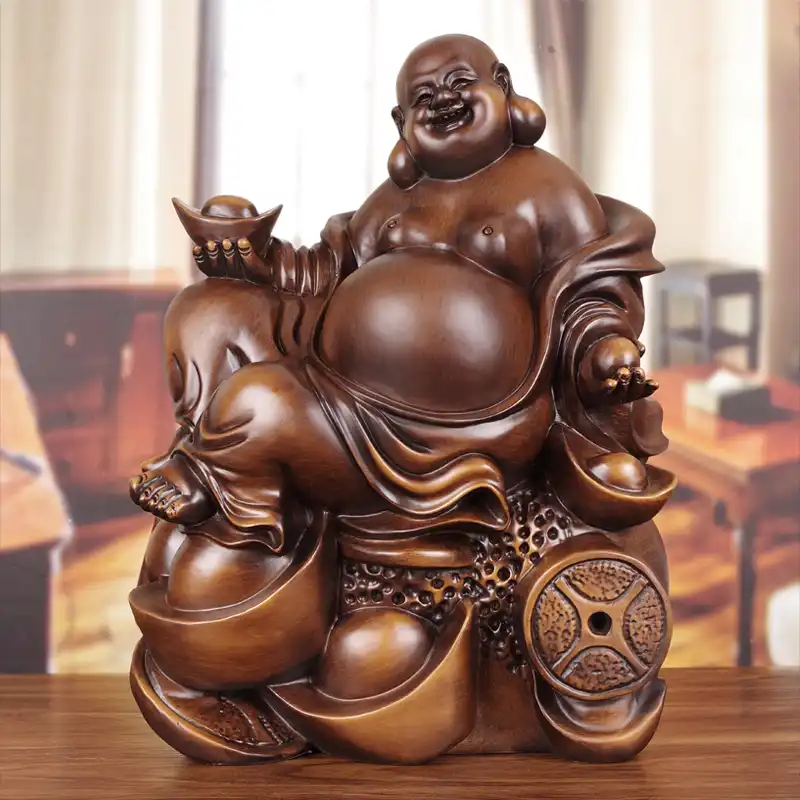
Setting intentions for wealth and joy is specifically linked to the Laughing Buddha necklace significance. This figure, based on the historical monk Budai, is a symbol of contentment and the abundance that comes from a generous heart.
Mindfulness & Personal Practices
Using a pendant as a physical “anchor” is a common technique for staying present throughout the day. When you feel the weight of the pendant or see it in a mirror, it brings your attention back to the current moment.
The practice of looking at the image helps cultivate kindness toward oneself and others. It serves as a visual cue to pause, breathe, and react with compassion rather than anger or judgment.
Establishing a spiritual connection to the qualities of the historical Buddha allows for personal growth. We are reminded that the potential for enlightenment exists within everyone, not just a select few.
Video source:YouTube
Author:Karen Hui
Original video link:https://www.youtube.com/watch?v=3EA-Pw2o14s
How to Wear Buddha Jewelry
Proper Placement and Body Alignment
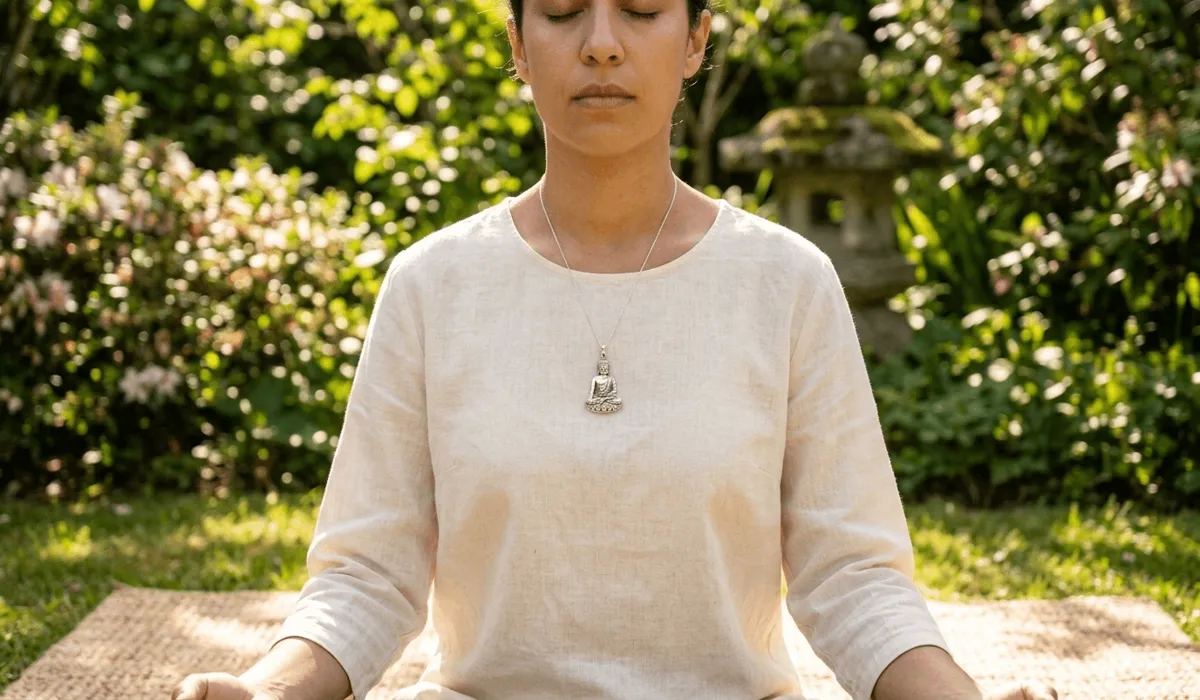
The strict rule of wearing a Buddha pendant above the waist is vital for maintaining the sanctity of the image. In many Eastern cultures, the lower body is considered less pure, so sacred symbols must remain elevated.
Respectful spiritual jewelry placement ensures the pendant rests near the heart or throat chakras. This positioning keeps the symbol in a place of honor and aligns it with your internal energy centers.
Buddha jewelry should never be worn as anklets or on any part of the lower body. Doing so is viewed as a sign of extreme disrespect in the Buddhist world and can be seen as degrading the teacher’s image.
When People Choose to Wear It
Many individuals wear Buddha pendants during meditation or yoga to help focus their energy. The presence of the symbol can deepen the practice and provide a sense of spiritual companionship during quiet reflection.
Daily wear can serve as a personal commitment to the Eightfold Path (八正道). It reminds the wearer to practice right speech, right action, and right livelihood in their professional and personal lives.
It is important to remove the jewelry before sleep or bathing to prevent physical damage and show respect. Keeping the piece away from mundane or “unclean” activities helps maintain its spiritual vibration.
Intention-Setting Practices
Holding the pendant while setting a daily “Sankalpa” (意图), or spiritual intention, can be a powerful morning ritual. It charges the jewelry with your specific goals for personal development and mindfulness.
Using the jewelry to remind yourself of the “Middle Way” (中道) during stressful moments can prevent extreme emotional reactions. It encourages a balanced approach to life’s ups and downs, avoiding both indulgence and harsh self-denial.
According to our experience, choosing a piece from a curated Sacred Symbol Collection ensures that the design adheres to traditional proportions and respectful craftsmanship.
Buddha Jewelry vs Similar Spiritual Symbols
When choosing a piece of jewelry, it is helpful to understand how different symbols convey unique spiritual messages. The table below compares the Buddha figure with other common Buddhist symbols.
| Symbol Type | Primary Meaning | Focus Area |
|---|---|---|
| Buddha Figure | The enlightened teacher | Compassion and personal path |
| Dharma Wheel | The core teachings | Wisdom and the Eightfold Path |
| Lotus Flower | Purity rising from mud | Rebirth and transformation |
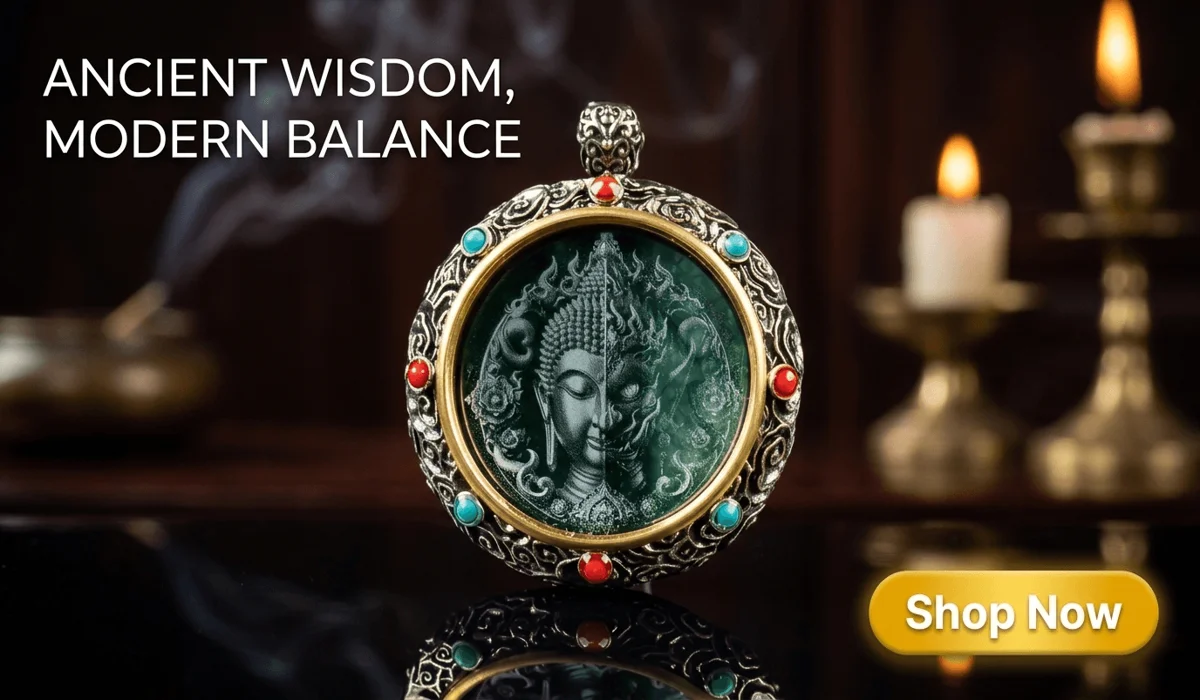
Buddha Pendants vs Dharma Wheel Jewelry
There is a difference between representing the teacher (Buddha) and the teachings (Dharma wheel). A Buddha pendant focuses on the personification of enlightenment, while the wheel emphasizes the cyclic nature of existence and the law of cause and effect.
The symbolic focus on personified enlightenment offers a more relatable figure for many people to connect with. In contrast, the geometric Dharma wheel provides a more abstract and philosophical representation of the universe’s order.
Choosing between a figure-based pendant and a geometric sacred symbol often depends on your personal meditation style. Some prefer a face to focus on, while others find peace in the perfect symmetry of sacred geometry.
Gautama Buddha vs Laughing Buddha Jewelry
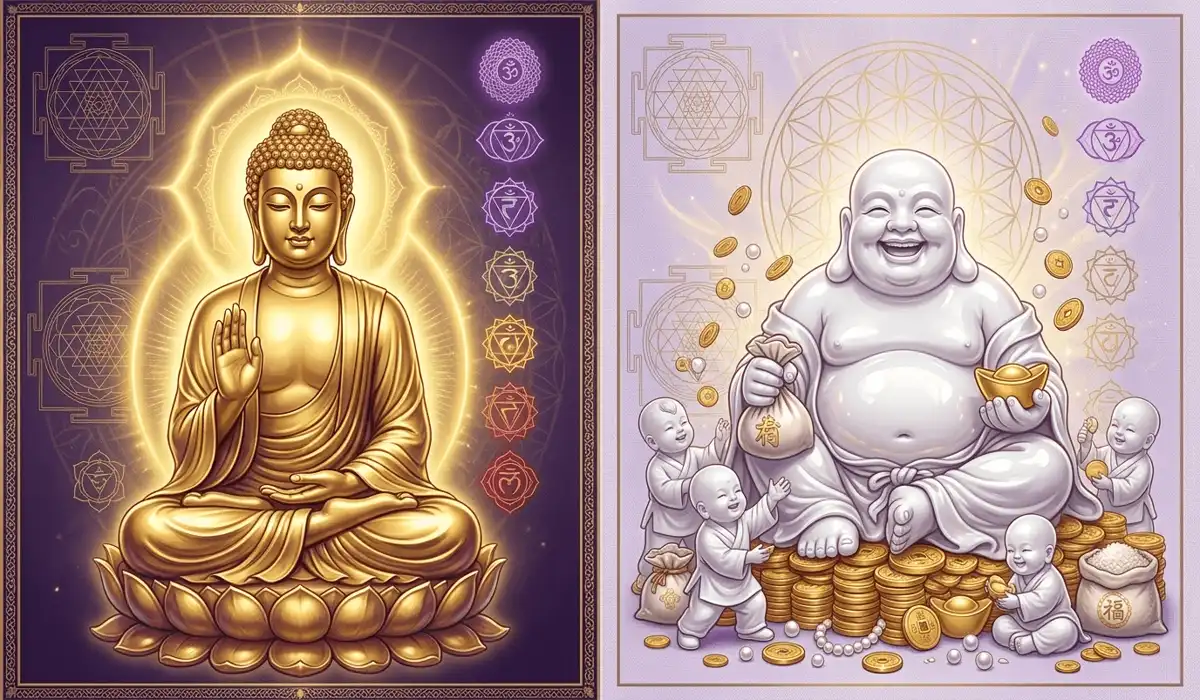
It is important to distinguish between the historical Gautama Buddha and the Zen monk known as Budai, or the Laughing Buddha. Gautama represents the serious, meditative search for truth and the end of suffering.
Serious, meditative symbolism is found in Gautama’s depictions, whereas joyful, abundance-centered intentions are the hallmark of the Laughing Buddha. Both have their place in spiritual practice but offer very different energies.
Traditional etiquette differences exist when wearing these two representations. While both should be treated with respect, the Laughing Buddha is often associated more with household luck and prosperity in folk traditions.
Who Is Buddha Jewelry Suitable For?
Spiritual Alignment
Buddha jewelry is ideal for individuals seeking to embody the qualities of compassion and equanimity. It acts as a mirror, reflecting the peaceful state of mind you wish to achieve through your practice.
Practitioners of Zen, Mahayana, or Theravada traditions often find these pendants to be helpful portable reminders of their vows. You can find more details in our article on the Spiritual Jewelry Etiquette for modern seekers.
Non-Buddhists who hold deep respect for Buddhist philosophy and wisdom are also welcomed to wear these symbols. Buddhism is generally an inclusive path that encourages anyone to use its tools for the betterment of their own character.
Astrology & Zodiac Connections
Many find an association with these symbols when seeking grounding during chaotic planetary transits. The steady, unmoving presence of the Buddha provides a sense of “The Middle Way” when life feels out of control.
There is a connection to zodiac signs that prioritize intellectual growth and emotional peace, such as the air and earth signs. These individuals often appreciate the logical yet compassionate nature of Buddhist teachings.
Using Jade Buddha necklaces is particularly beneficial for those aligned with earth-element energy. The Mineralogical Research Data suggests that natural stones like jade have a stabilizing effect on the human biofield.
Lifestyle & Personal Intentions
This jewelry is suitable for those following a path of non-violence and mindful living in their daily choices. It signals to the world—and to yourself—that you value peace over conflict and awareness over ignorance.
It is also a thoughtful choice for individuals undergoing major life transitions who are seeking stability. The timeless nature of the Buddha’s message offers comfort when external circumstances are changing rapidly.
Wearing these symbols with intentionality distinguishes a true practitioner from someone simply following a trend. It shows a commitment to understanding the Historical Buddhist Teachings that inform the imagery.
How to Cleanse, Charge, and Care for Buddha Jewelry
Cleansing Methods
Using smoke from sandalwood or sage is an excellent way to clear stagnant energy from your jewelry. The scent of sandalwood is traditionally associated with the Buddha’s presence and helps purify the space around the pendant.
Gently wiping the surface with a clean cloth is necessary to remove physical impurities like oils or dust. Keeping the image clean is a physical manifestation of keeping your mind clear of “mental dust” or distractions.
Sound cleansing using singing bowls can reset the vibration of the pendant after a long day. The harmonic frequencies help harmonize the energy of the stone and the symbol with your own personal frequency.
Charging Practices
Placing the jewelry in the moonlight, especially during a full moon, is a traditional way to renew its energy. The moon’s cool, gentle light is often compared to the soothing nature of the Buddha’s wisdom.
Setting the jewelry on a selenite plate is another effective way to maintain its spiritual “brightness.” Selenite is known for its ability to clear other stones and keep their energy high and pure.
Charging through meditation involves holding the piece in your hands and visualizing it filled with golden light. This process creates a personal bond between you and the pendant, making it a more effective spiritual tool.
Daily Care & Storage
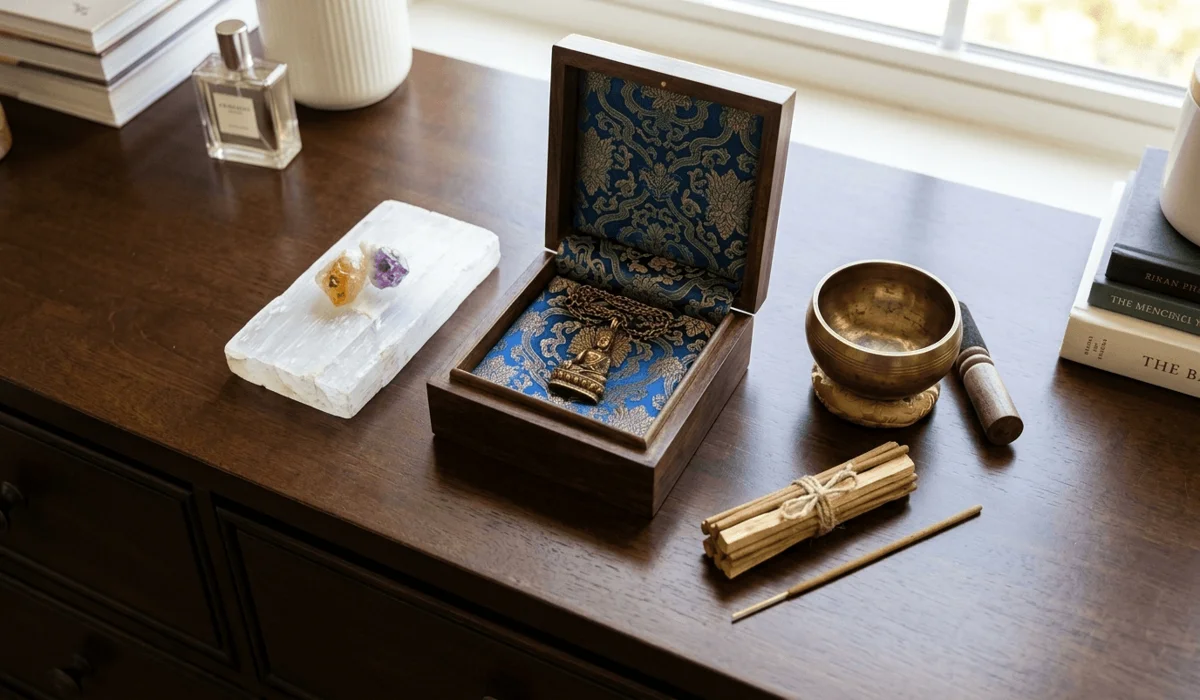
The proper way to store Buddha jewelry involves using a high, dedicated shelf that is above eye level. This placement reflects the honor given to the teacher and keeps the symbol in a place of prominence in your home.
Avoiding contact with harsh chemicals, perfumes, or water is essential for preserving the material. Many natural stones used in these pendants can be porous or sensitive to acidic substances found in modern cosmetics.
Never placing the jewelry on the floor or in a bathroom environment is a critical rule for respect. Treat the pendant as you would a sacred book or a valued family heirloom, keeping it away from “low energy” areas of the house.
Frequently Asked Questions
Q: Is it a sin to wear a Buddha necklace?
A: Buddhism does not typically use the concept of sin, but wearing a sacred image disrespectfully is believed to create negative karma. Most practitioners see wearing it with a pure heart as a positive act of devotion.
Q: Can anyone wear a Buddha pendant regardless of religion?
A: Yes, anyone can wear a Buddha pendant if they do so with genuine respect and an understanding of its spiritual meaning. It is a symbol of universal peace and wisdom that transcends specific religious boundaries.
Q: Where should I place my Buddha jewelry when sleeping?
A: You should place your jewelry on a clean, elevated surface like a high dresser or inside a dedicated jewelry box. Avoid leaving it on the floor or on a low nightstand to maintain its sanctity.
Q: Is it disrespectful to wear a Buddha head charm?
A: Many traditional Buddhists find isolated Buddha heads offensive because the head is considered the most sacred part of the body. It is generally more respectful to choose a full-body representation of the Buddha.
Q: Why shouldn’t Buddha jewelry be worn below the waist?
A: In Eastern cultures, the lower body is considered unclean compared to the upper body. Wearing a sacred image below the waist is seen as a sign of extreme disrespect toward the spiritual teacher.
Conclusion & Gentle Next Step
Choosing to wear Buddha jewelry is a beautiful way to integrate spiritual values into your daily life. By following the traditional etiquette of keeping the pendant above the waist and treating it with reverence, you honor a profound cultural heritage. We encourage you to use these symbols as anchors for your mindfulness practice and as reminders of the compassion that lives within you.
If you are looking for a piece that combines traditional craftsmanship with respectful design, we invite you to explore our work. Finding the right symbol can be a transformative step on your personal spiritual journey.
The content provided in this article is for informational and cultural exchange purposes only. It does not constitute medical, legal, financial, or other professional advice. Readers should consult with qualified professionals regarding any specific spiritual or health-related concerns.
Written by the Buddha Bodhis Team
Since 2020, we have been devoted to exploring traditional year-based wisdom, classical Feng Shui principles, and the rich spiritual symbolism rooted in Eastern cultural heritage. Our work bridges ancient metaphysical systems with modern life, interpreting annual cycles, elemental energies, and symbolic meanings to offer thoughtful insight and practical guidance. Through continuous research and practice, we aim to preserve traditional knowledge while making it accessible, relevant, and meaningful for contemporary seekers of balance, intention, and personal growth.
TikTok | YouTube | Pinterest | X
buddhabodhis@gmail.com