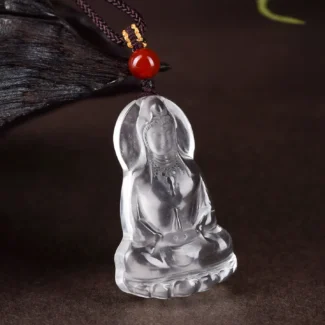



For optimal flow of positive Chi (氣), a Buddha statue should face the East to invite enlightenment or the front door to greet energy and provide protection. We always recommend that the statue must be elevated at least 30 inches off the floor to maintain spiritual respect. Properly orienting a Buddha statue is not merely a decorative choice; it is a spiritual activation that anchors harmony in your living space.
In our studio, we have found that incorrect placement can inadvertently block your path to spiritual growth. Placing the Buddha on the floor or in a disrespectful room disrupts the household’s energy balance and limits the benefits of the practice. Precision in height, direction, and surrounding cleanliness ensures that the statue serves as a powerful conduit for peace and wisdom.
Preparation Essentials:
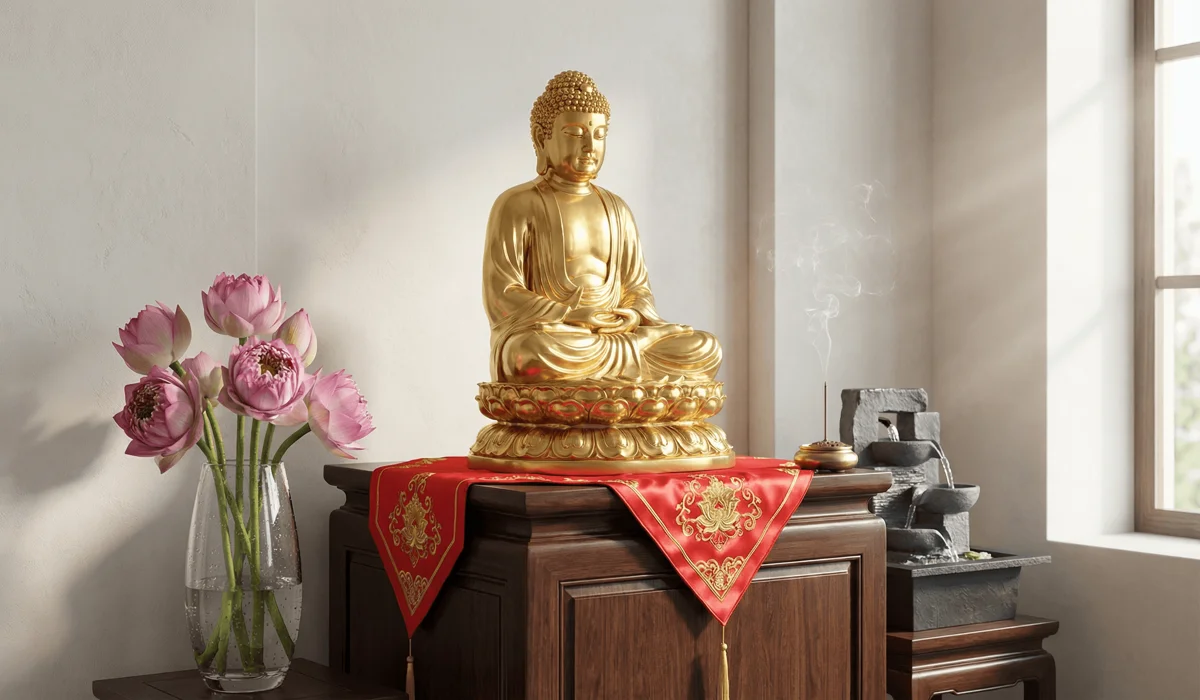
- ✨ Height: A dedicated surface or pedestal at least 30 inches high.
- ✨ Base: Red paper or silk cloth to symbolize luck and fire energy.
- ✨ Offerings: Fresh lotus flowers, jasmine, or sandalwood incense.
- ✨ Cleansing: A soft, new cloth dedicated solely to the statue.
- ✨ Environment: A space free of clutter, electronics, and shoes.
Before the Buddha enters your home, the environment must be vibrationally prepared to receive a high-frequency presence. Clear the area of physical clutter and stagnant energy using a singing bowl or simple mindful cleaning before placement.
Preparation: Clearing Energy and Choosing Your Sacred Tools
The first step in any ritual is ensuring the physical tools match the spiritual intention of the practitioner. We suggest using natural materials like solid dark wood for the pedestal to ground the energy of the room. Choosing a Buddha Statue crafted from high-quality bronze or stone further enhances the elemental balance of your home.
Space Purification and Tool Selection
Start by identifying a quiet area where the statue will not be disturbed by daily chores or loud noises. Wipe the surface with a damp cloth and light a stick of incense to signal the transition from a mundane space to a sacred one. This process removes the “Old Chi” and makes room for fresh, vibrant energy to settle into the new altar.
- 🕯️ Use a measuring tape to confirm the height is at eye level when you stand.
- 🕯️ Place the red cloth beneath the statue to activate the “Yang” energy of the space.
- 🕯️ Ensure fresh water is placed in a clean glass nearby to symbolize purity and flow.
By treating the preparation as a moving meditation, you align your internal state with the external environment. This creates a resonant field that allows the Buddha’s presence to felt more deeply by everyone in the home.
The Sacred Process: A Step-by-Step Guide to Buddha Placement
To ensure teaching certainty, follow these procedural milestones in the exact order listed to establish an authoritative spiritual anchor. Our many clients ask about the specific sequence, and we have found that following these steps produces the most consistent results for peace.
- Selecting the Auspicious Sector: Use the Bagua Map (八卦) to identify the area of your life that requires focus. Place the Buddha in the North for career, Southeast for wealth, or Northeast for spiritual growth.
- Cleansing the Space: Remove any footwear, dirty laundry, or old receipts from the immediate vicinity. Wipe the statue gently with a soft cloth to remove any dust or stagnant energy from its journey to your home.
- Determining the Direction: Decide between facing East for enlightenment or facing the front door for protection. Use a compass to ensure the alignment is accurate within a few degrees for the best results.
- Measuring the Elevation: Verify that the statue sits at least 30 inches above the floor. This height represents the “Heavenly Realm” and keeps the statue above the lower vibrations of the ground.
- Activating with Intention: Once placed, set a clear intention or “Sankalpa” for the space. You might say, “May this space be filled with peace and wisdom for all who enter.”
- Maintaining Sacred Space: Commit to regular dusting and care to keep the energy fresh. Never allow dust to accumulate, as this symbolizes a clouded or neglected mind in spiritual terms.
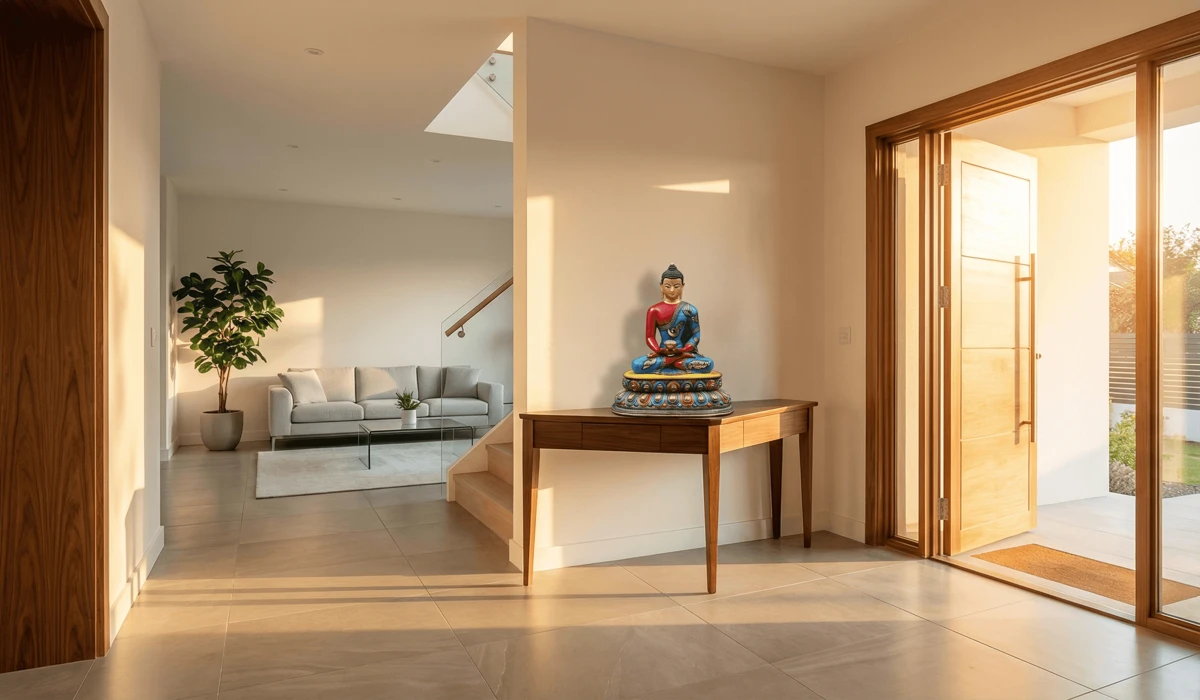
When placing the statue near the entrance, it is helpful to understand the Feng Shui Principles regarding energy flow. Position the Buddha at a 45-degree angle to the door so it can “see” everyone who enters without being directly in the line of the door’s swing. This positioning allows the statue to neutralize negative energy before it penetrates deeper into the living quarters.
The Logic of Orientation: Mudras and Directions
In Feng Shui, the specific hand gesture or Mudra (手印) of your statue dictates its ideal placement and function. We have compiled a table to help you match your statue’s form with the correct cardinal direction for maximum benefit.
| Mudra Name | Visual Description | Best Direction | Primary Benefit |
|---|---|---|---|
| Abhaya | Right hand raised, palm out | Facing Front Door | Protection and Fearlessness |
| Dhyana | Hands in lap, palms up | East or Northeast | Meditation and Inner Peace |
| Bhumisparsha | Right hand touching earth | Center or East | Groundedness and Truth |
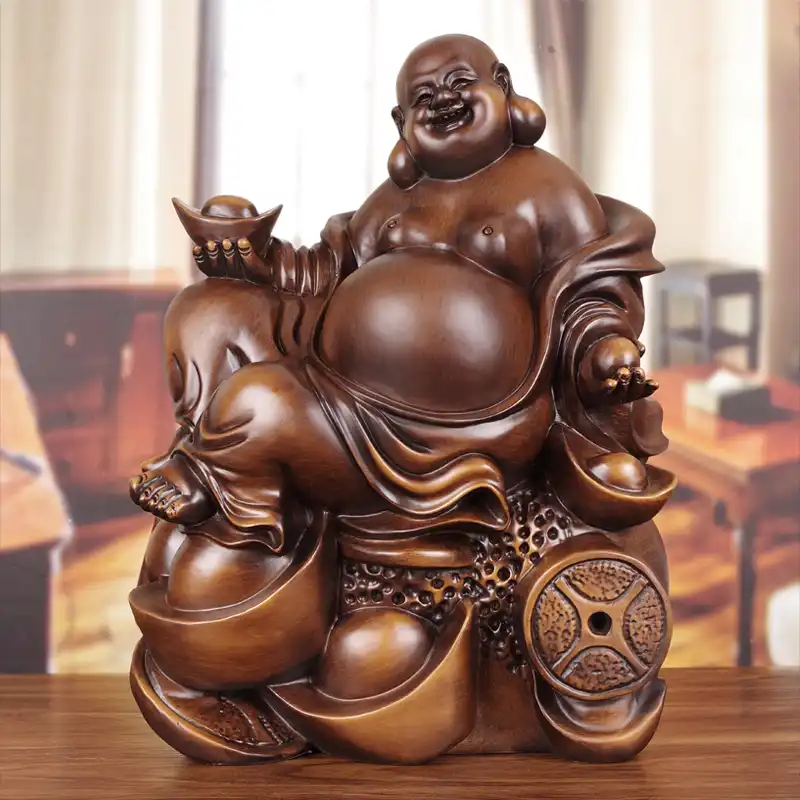
| Hotei | Laughing, often with sack | Southeast | Wealth and Prosperity |
Understanding these gestures allows you to curate a space that reflects your specific life goals. For those seeking career advancement, placing a metal Buddha in the North can be very effective. If you are interested in improving your financial status, you might wear A Wealth Ring while performing your daily offerings to the Laughing Buddha in the Southeast.

Understanding the Abhaya Mudra
The Abhaya Mudra is one of the most popular choices for home protection. By placing this statue facing the entrance, you create a spiritual shield that dispels fear and anxiety from the household. This gesture reminds us to remain brave in the face of life’s challenges and to welcome guests with an open and fearless heart.
Critical Taboos and Placement Prohibitions
To maintain the sanctity of your home altar, you must strictly avoid certain areas that carry low or conflicting vibrations. Through years of guiding rituals, we have seen that ignoring these taboos can lead to a feeling of restlessness or “stuck” energy in the home.
Warning: Top Buddha Placement Taboos
- 🛡️ No Bathrooms: Never place a Buddha in the bathroom or laundry room as these are areas of waste.
- 🛡️ No Floor Placement: Placing the Buddha directly on the ground is considered highly disrespectful.
- 🛡️ No Bedroom Use: Avoid the bedroom unless the statue is in a cabinet that can be closed at night.
- 🛡️ No Blocked Views: Never face the Buddha toward a blank wall or hide it behind large furniture.
- 🛡️ No Electronics: Keep the altar away from TVs and large speakers to avoid magnetic interference.
When energy is blocked by clutter or poor placement, the spiritual benefits of the statue are significantly diminished. Always ensure the path in front of the Buddha is clear, allowing the Chi to circulate freely throughout the room. If you are also managing specific yearly energies, you might check a Feng Shui calendar to see if your chosen sector is affected by annual stars.
Maintenance: When to Re-align Your Buddha Statue
Energy is fluid, and your sacred space may require “re-tuning” if you notice signs of stagnation in your personal life. We recommend a deep cleaning of the altar area during every New Moon to reset the intentions of the household. If you have recently moved furniture or completed a renovation, it is the perfect time to re-evaluate the statue’s position.
Signs Your Sacred Space Needs Attention
Physical damage to a statue is a serious sign that the energy has been compromised. If a statue is chipped or cracked, it is traditionally buried in the earth or immersed in a flowing body of water with a prayer of gratitude. You should then replace it with a new statue to continue the flow of protection and wisdom in your home.
Maintaining the altar is not just a chore; it is a vital part of your spiritual practice. As you dust the statue, imagine you are also clearing the “dust” from your own mind. This simple act of devotion keeps your connection to the teachings of the Historical Buddha active and meaningful in your daily life.
Frequently Asked Questions
Q: Can I place a Buddha statue in my garden?
A: Yes, provided it is elevated on a stone plinth and faces the home to bring abundance inward. Ensure it is placed in a clean, well-maintained area of the garden away from trash bins.
Q: Is it okay to have more than one Buddha statue?
A: Yes, as long as each has a dedicated, respectful space and they are not cluttered together. Different Buddhas can be placed in different Bagua sectors to support various life goals.
Q: Which direction should the Laughing Buddha face?
A: He should face the main entrance of the home to greet incoming prosperity or be placed in the Southeast corner. This placement helps attract wealth and joy into the family’s daily experience.
Q: What should I do if my Buddha statue is made of metal?
A: Place metal statues in the North or West sectors to harmonize with the elements. Avoid placing metal Buddhas in the East, as the metal element is thought to “cut” the wood element of that direction.
Conclusion and Mindful Intention
The placement of a Buddha statue is an outward expression of your internal state. While following the cardinal directions and height requirements provides the technical framework for good Feng Shui, your intention is the final catalyst for activation. Treat the statue not as an object, but as a spiritual anchor that reminds you to return to stillness and compassion throughout the day.
For those looking to further harmonize their personal energy alongside their home environment, you might check Feng Shui Guides for the current year. This holistic approach ensures that both your living space and your personal energy are aligned with the natural cycles of the universe. By creating a respectful altar, you invite a constant stream of peace and clarity into your life.
The content provided is for informational and cultural exchange purposes only. It does not constitute medical, legal, financial, or other professional advice. Readers should consult with qualified professionals regarding specific spiritual or metaphysical practices if needed.

Written by the Buddha Bodhis Team
Since 2020, we have been devoted to exploring traditional year-based wisdom, classical Feng Shui principles, and the rich spiritual symbolism rooted in Eastern cultural heritage. Our work bridges ancient metaphysical systems with modern life, interpreting annual cycles, elemental energies, and symbolic meanings to offer thoughtful insight and practical guidance. Through continuous research and practice, we aim to preserve traditional knowledge while making it accessible, relevant, and meaningful for contemporary seekers of balance, intention, and personal growth.
TikTok | YouTube | Pinterest | X
buddhabodhis@gmail.com