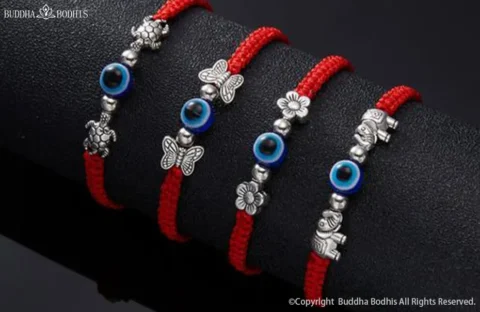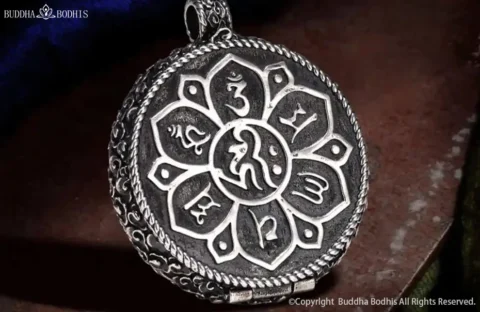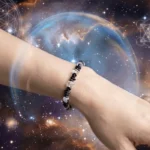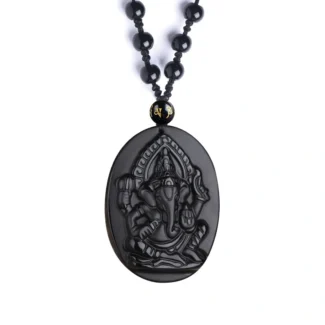


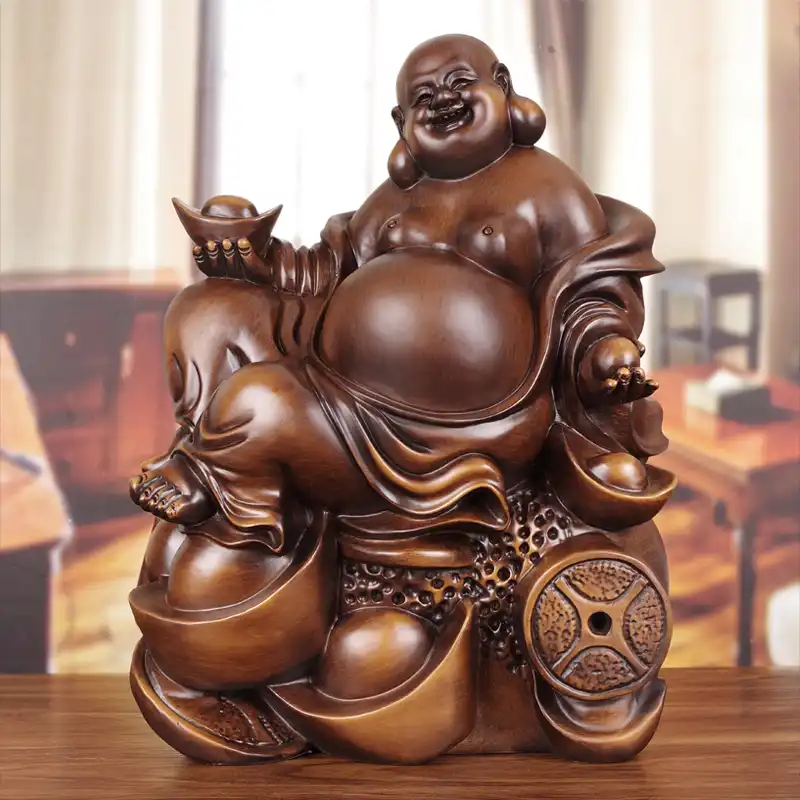

Zen meditation beads, also known as malas or prayer beads, act as physical anchors that help steady the mind during spiritual practice. We find that many people use these sacred tools to quiet the “monkey mind” and focus on the present moment. By touching each bead, you can track your breath and maintain a deep connection to your inner peace.
- Zen beads serve as a tactile tool for counting breaths and mantras during daily meditation.
- A traditional set features 108 beads to symbolize the journey toward spiritual enlightenment.
- Natural materials like sandalwood and gemstones provide unique grounding and healing energies.
- The beads represent the Zen circle, reminding the wearer of the infinite nature of existence.
- Using a mala regularly can enhance concentration and help manage daily stress levels.
What Are Zen Meditation Beads?
Definition
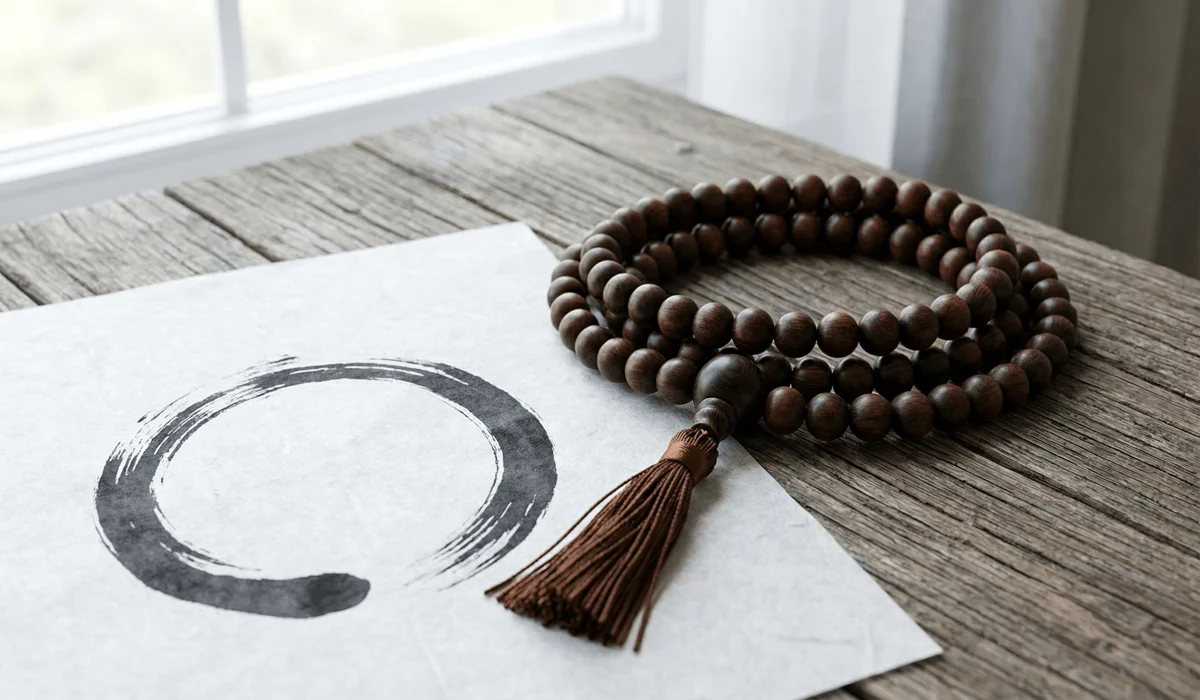
In the Zen tradition, these beads are often called “Juzu” or sometimes “Japamala” in Sanskrit. They are more than just jewelry; they are functional tools used to count mantras or cycles of breath. We see them as a physical representation of the Enso, or Zen circle, which signifies wholeness and the beauty found in imperfection.
Origin & Materials
The use of prayer beads began in ancient India and traveled through China and Japan over many centuries. Traditional Zen practitioners often prefer the energy of wood meditation beads, using materials like sandalwood or soapberry seeds. According to our experience at Buddha Bodhis, these organic materials feel warm and alive against the skin during long sessions.
Many modern practitioners also appreciate natural stone mala properties for their specific vibrations and beauty. We often source stones like Lapis Lazuli or Obsidian to help users align with their personal goals. You can learn more about these different stones by exploring Crystal Meanings to find the right match for your energy.
Basic Characteristics
A standard full-length mala consists of 108 beads, a number that carries deep spiritual weight. Every string features a larger “Guru Bead” which serves as the starting and ending point for your practice. Most designs include a silk tassel that represents the roots of a lotus flower growing toward the light of wisdom.
Spiritual Meaning & Symbolism
Traditional Symbolism
The 108 mala beads meaning relates to the 108 worldly desires or “kleshas” that humans strive to overcome. By passing each bead through your fingers, you are symbolically moving past these distractions toward a clearer state of mind. The circular shape reminds us that life is a continuous cycle of growth and renewal.
Sacred Geometry and Balance
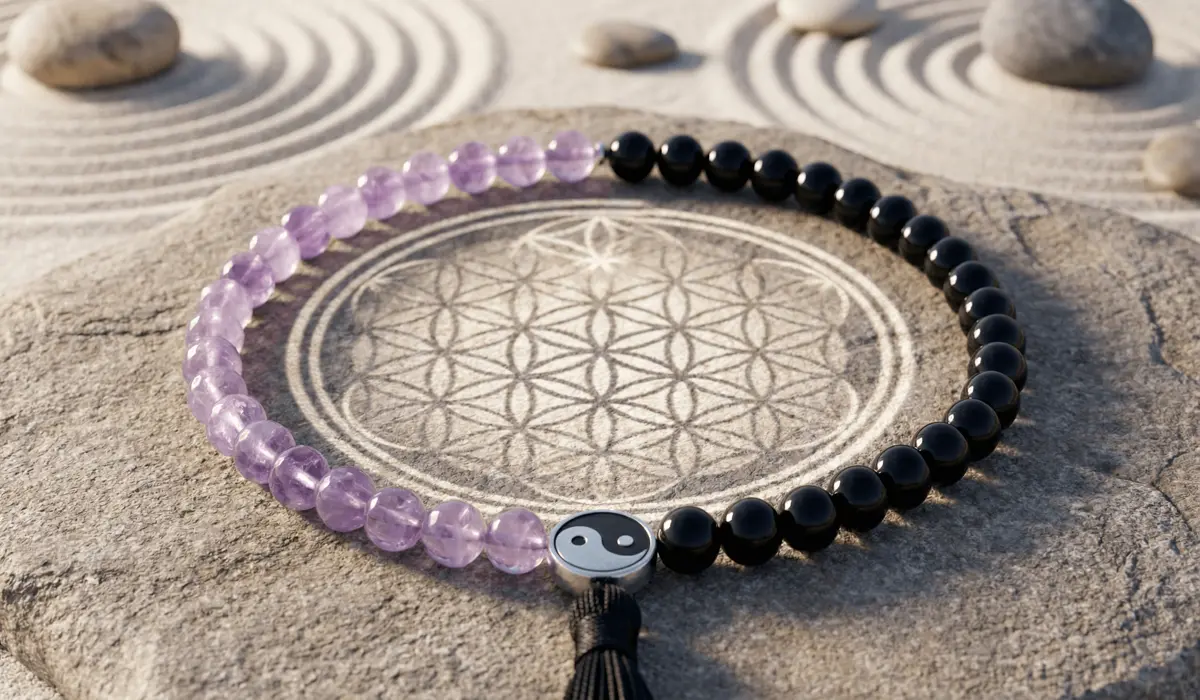
The arrangement of Zen beads often follows sacred geometry in Zen beads, reflecting cosmic ratios found in nature. Many of our designs focus on Yin Yang balance in jewelry to represent the harmony between light and dark. This balance is essential for maintaining equanimity when life becomes chaotic or overwhelming.
In the r/Buddhism community on Reddit, user n8rt8rm8 asked about the specific meanings behind mala symbols:
“Does anyone know the meaning of the symbol on this mala necklace is, and what the beads hanging from it represent?”
*sources:[Mala necklace meaning?](https://reddit.com/r/Buddhism/comments/1s5aqou/mala_necklace_meaning/)*
This shows that even for beginners, the visual symbols on a mala are a gateway to understanding deeper Buddhist teachings. The extra beads often act as markers to help the practitioner stay focused without counting manually.
Cultural and Historical Context
Zen beads reflect the “Dharma”, which is the cosmic law and order taught by the Buddha. Historically, teachers would gift these beads to students to mark the transmission of wisdom from one generation to the next. In some traditions, they are even used during physical training to keep the practitioner grounded and protected.
Benefits & Intentions Associated with Zen Meditation Beads
Commonly Associated Intentions
One of the primary uses for these beads is as focus tools for meditation. When your mind starts to wander, the physical sensation of the bead under your thumb brings you back. We also value them as spiritual grounding materials, especially when made from heavy woods or stones that connect you to the Earth.
Using them as mantra recitation tools makes it easy to complete 108 repetitions without getting distracted by the numbers. This allows the practitioner to sink deeper into the sound and meaning of the mantra itself. For those seeking peace, Sandalwood Meditation Benefits offer a fragrant path to relaxation.
Mindfulness & Personal Practices
Wearing mala beads for mindfulness throughout the day acts as a “pause button” for your brain. If you feel stressed, simply touching your bracelet can remind you to take a deep, conscious breath. These Zen meditation aids help regulate your internal rhythm and create a sense of sacred space even in a busy office.
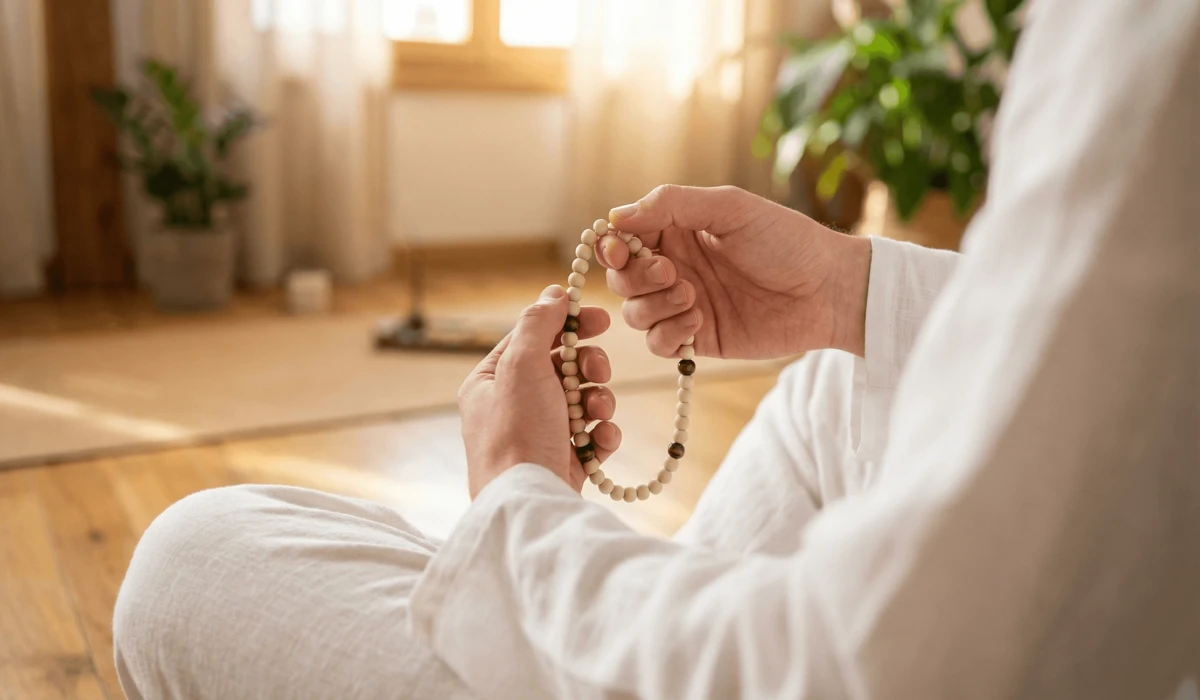
Many people find that spiritual jewelry for inner peace helps them maintain a calm “Chi” (气) throughout the day. It provides a tangible reminder of the intentions you set during your morning practice. By keeping these beads close, you carry your meditation with you wherever you go.
How to Wear Zen Meditation Beads
Left Hand vs Right Hand
In Feng Shui logic, the left hand is the “receiving” hand used for internal energy and self-reflection. We usually recommend wearing your Zen bracelet on the left wrist to absorb the healing properties of the stones. The right hand is the “giving” hand, which is typically used when you are actively counting beads during a mantra practice.
When to Use Your Beads
Most people choose to wear their beads during formal Zazen (坐禅) sessions to help maintain focus. However, they are also helpful during the workday to manage stress and keep a calm spiritual tone. You might also place them on a home altar to help purify the energy of your living space.
Intention-Setting Practices
Before you put on your beads, we suggest holding them between your palms to sync your energy with the materials. You can set a “Sankalpa”, which is a heartfelt intention for your day or your life. To find a piece that matches your goals, explore our Zen Yin Yang collection of handcrafted spiritual jewelry.

Zen Meditation Beads vs Tibetan Prayer Beads
Comparing Traditions
Zen beads, or Juzu, are often more minimalist than Tibetan malas. While Zen practitioners usually prefer simple wood or seeds, Tibetan malas may use bone or bright stones like turquoise. Tibetan beads also frequently include metal counters to track very large numbers of mantra recitations over a lifetime.
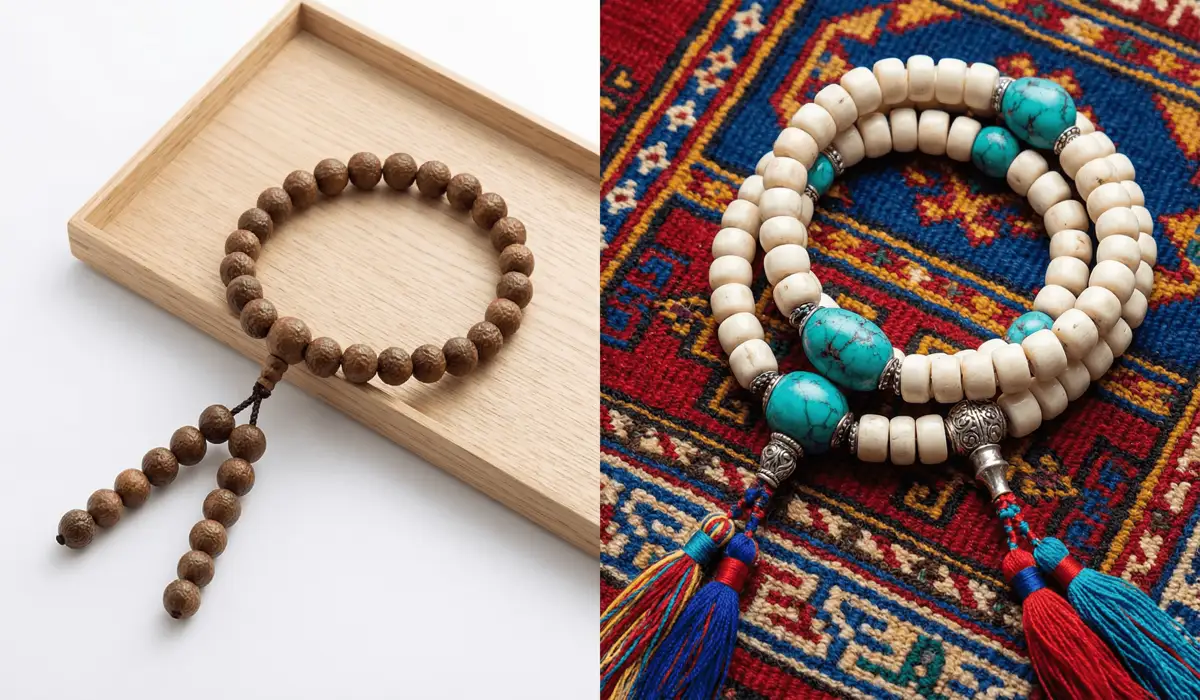
On Reddit, user KudzuPlant noted the differences in bead structure when looking at Tibetan styles:
“I am curious what the function of the extra beads are (in this case the turqouise) in a Tibetan style mala. Do these beads count as part of your mantra sadhana or do you skip over them?”
*sources:[Extra beads on a mala](https://reddit.com/r/TibetanBuddhism/comments/1rwogs9/decoraticeextra_beads_on_a_mala_what_is_the/)*

*sources:[Reddit – u/KudzuPlant – Decoratice/extra beads on a mala](https://reddit.com/r/TibetanBuddhism/comments/1rwogs9/decoraticeextra_beads_on_a_mala_what_is_the/)*
This image highlights how Tibetan beads often have more decorative elements compared to the clean, focused aesthetic of Zen beads. Both styles serve the same ultimate goal of mindfulness, but the visual path to get there is different.
Material Comparison Table
| Feature | Zen Wood Beads | Natural Stone Beads |
|---|---|---|
| Primary Energy | Grounding & Organic | Specific Vibrations & Clarity |
| Weight | Light to Medium | Heavy & Solid |
| Best For | Breath Focus | Protection & Intentions |
| Maintenance | Keep Dry | Occasional Cleansing |
Who Are Zen Meditation Beads Suitable For?
Chakra or Energy Alignment
If you feel ungrounded, beads made of lava stone or mahogany can help support your Root Chakra. For those who want to open their Heart Chakra, rose quartz or green sandalwood are excellent choices. Professional organizations like the Gemological Institute of America provide data on stone hardness, which we use to ensure your beads are durable enough for daily wear.
Lifestyle Intentions
Beginners often find silent meditation very difficult because the mind moves too fast. Having a tactile “anchor” makes it much easier to stay in the moment. We recommend these tools to anyone looking for spiritual jewelry for inner peace to balance a high-stress lifestyle or a busy career.
How to Cleanse, Prepare, and Care for Your Beads
To keep your beads working effectively, it is important to cleanse them of stagnant energy. You can use several simple methods to refresh their natural properties and maintain a high vibration.
- Smoke Smudging: Pass your beads through the smoke of sage or palo santo.
- Sound Bathing: Place the beads near a singing bowl or bell to reset their energy.
- Moonlight: Leave them on a windowsill during a full moon for natural charging.
- Manual Cleaning: Use a soft, dry cloth to wipe wood beads, as water can cause them to crack.
We also suggest that you avoid letting other people touch your beads. This helps maintain a pure connection between you and your spiritual tool. When you are not wearing them, store your beads in a silk pouch or on a clean altar space to keep them safe and respected.
Frequently Asked Questions
Q: Why are there 108 beads in a mala?
A: The number 108 is sacred in many Eastern traditions and represents the 108 defilements or human passions one must overcome. It also corresponds to the 108 energy lines that converge at the heart chakra and has various astronomical meanings involving the sun, moon, and earth.
Q: Symbolism of the guru bead in zen practice?
A: The Guru bead represents the “teacher” or the “mountain” of wisdom. It serves as a point of stillness where your practice begins and ends, reminding you of the relationship between student and teacher on the spiritual path.
Q: Which wrist should you wear a Zen meditation bracelet on?
A: Most people choose to wear it on the left wrist because it is considered the receiving side of the body for energy. However, you can wear it on the right wrist if you wish to project strength and protection toward others.
Q: How do you cleanse and charge your Zen meditation beads?
A: You can cleanse them using sage smoke or the light of a full moon to remove any built-up energy. To charge them, hold them in a quiet space and repeat a mantra or a personal intention to infuse the beads with your focus.
Q: Can anyone wear Buddhist prayer beads for spiritual growth?
A: Yes, these tools are open to anyone who wishes to practice mindfulness and find inner peace. You do not need to follow a specific religion to benefit from the focus and grounding that meditation beads provide.
Conclusion & Gentle Next Step
Zen meditation beads are wonderful allies that turn the abstract idea of mindfulness into a daily habit you can touch and feel. Whether you choose the grounding scent of sandalwood or the protective energy of natural stones, your mala is a constant reminder of your path. By understanding the 108 mala beads meaning and the spiritual connection between yin yang and zen, you can find a deeper sense of balance in your life.
We invite you to find your own spiritual anchor. Explore our Zen Yin Yang collection to discover handcrafted beads that resonate with your unique journey toward tranquility and focus.
The information provided in this article is for educational and cultural purposes only and does not constitute medical, legal, or financial advice. Readers should consult with qualified professionals regarding any health or spiritual concerns. While we share traditional wisdom and personal experiences, we do not guarantee specific spiritual or physical outcomes from using these products.

Written by the Buddha Bodhis Team
Since 2020, we have been devoted to exploring traditional year-based wisdom, classical Feng Shui principles, and the rich spiritual symbolism rooted in Eastern cultural heritage. Our work bridges ancient metaphysical systems with modern life, interpreting annual cycles, elemental energies, and symbolic meanings to offer thoughtful insight and practical guidance. Through continuous research and practice, we aim to preserve traditional knowledge while making it accessible, relevant, and meaningful for contemporary seekers of balance, intention, and personal growth.
TikTok | YouTube | Pinterest | X
buddhabodhis@gmail.com