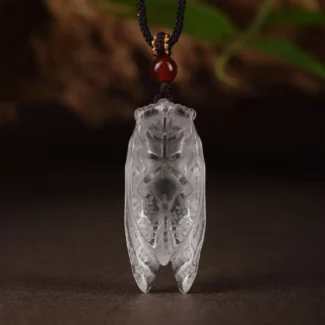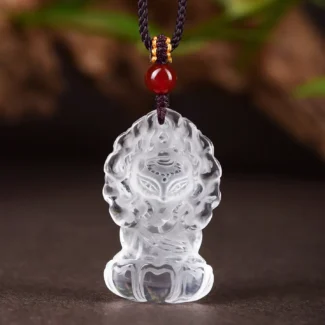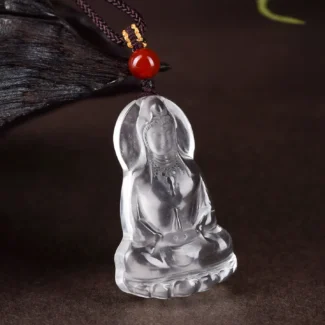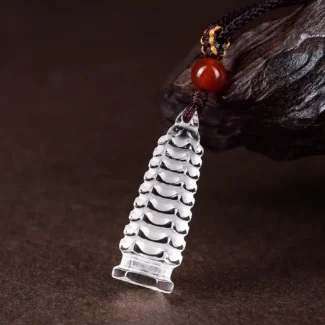



Amethyst has long been treasured as a gemstone of peace, love, and protection. Known as the “Stone of Spirituality,” it symbolizes happiness, good fortune, and pure affection. Many people wear amethyst as a talisman to ward off negativity and attract calm, balance, and wisdom.
However, the market is full of synthetic and imitation stones. Learning to identify real amethyst ensures that you receive its full natural energy and authentic beauty.
Below, we’ll explore amethyst’s meaning and healing benefits, as well as how to tell real from fake stones.
Table of Contents
🌸 1. The Meaning of Amethyst
Amethyst carries deep symbolism across both Eastern and Western cultures.
• Symbol of Peace and Happiness
In traditional Chinese culture, amethyst represents happiness, safety, and good health—similar to jade. Wearing amethyst is believed to calm the mind, strengthen the spirit, and promote harmony in one’s career and life.
• Stone of Love and Devotion
In Western traditions, amethyst is known as the “Stone of Love.” It enhances trust, loyalty, and emotional connection between partners. Couples often exchange amethyst jewelry as a token of eternal love and faithfulness.
🌟 2. Amethyst’s Healing Benefits
Amethyst is highly valued for its spiritual and emotional healing energy. It corresponds to the third-eye chakra, associated with clarity, intuition, and insight.
• Enhances Mental Clarity
Amethyst stimulates brain function, strengthens focus, and boosts memory. It’s ideal for students, thinkers, and anyone who works in a mentally demanding environment.
• Improves Sleep Quality
Placing an amethyst crystal or pillow near your bed can help relax the nervous system, ease insomnia, and promote peaceful rest. Its gentle vibration supports balance between the mind and body.
• Promotes Emotional Balance
Amethyst helps calm anger, reduce anxiety, and foster a peaceful mood. Its radiant violet hue is said to attract positive energy and repel negativity.
• Strengthens Relationships
Known as the guardian stone of love, amethyst inspires loyalty, honesty, and courage in relationships, deepening emotional bonds between lovers or spouses.
• Enhances Intuition and Creativity
Linked to the third-eye chakra, amethyst encourages imagination and spiritual awareness, helping its wearer perceive life with greater wisdom.
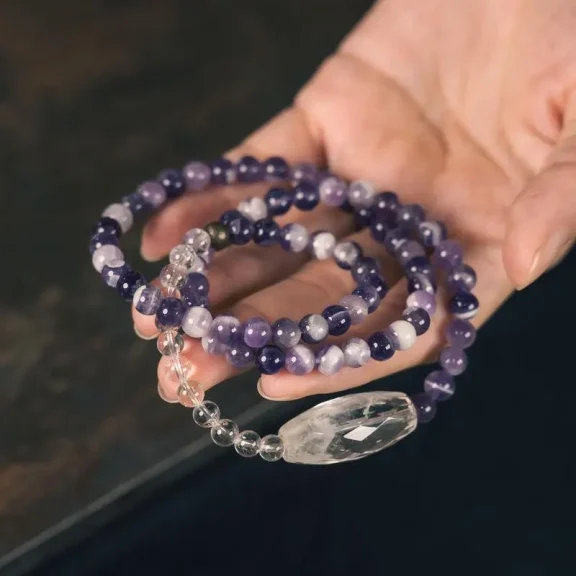
🔮 3. The Symbolic and Spiritual Power of Amethyst
In Greek mythology, amethyst was associated with Bacchus, the god of wine. The stone symbolized temperance and the transformation of desire into spiritual love.
In Japanese Feng Shui, amethyst is called a “spiritual energy stone,” believed to improve personal aura, attract wealth, and protect against misfortune.
In metaphysical traditions, amethyst belongs to the Fire element, empowering leadership, confidence, and resilience while transforming arrogance into compassion.
💠 4. How to Identify Real Amethyst
With many synthetic imitations on the market, it’s important to know how to distinguish natural amethyst from fake or lab-created stones.
• Weight (Specific Gravity)
Natural amethyst has a noticeable heaviness. Stones that feel too light are likely made of glass, resin, or acrylic. However, some man-made crystals match natural weight, so this test alone isn’t definitive.
• Crystal Structure
Look closely inside the gem:
- Air bubbles indicate glass or synthetic crystal.
- Growth lines suggest lab-grown crystals.
- Fibers or “cotton-like” inclusions are a good sign of genuine, natural amethyst.
• Color Consistency
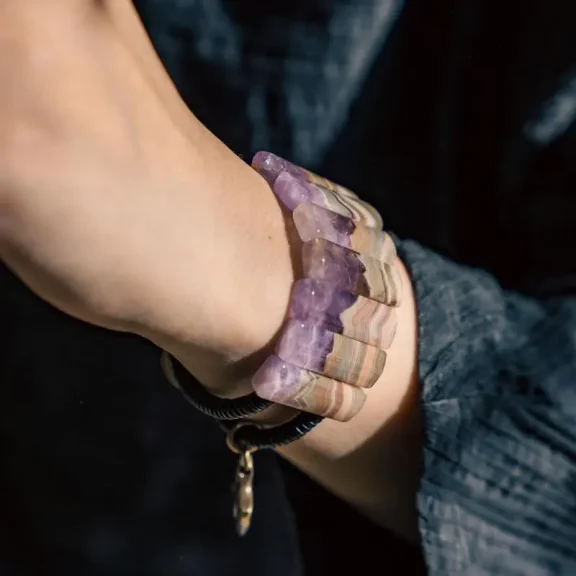
Real amethyst displays naturally blended shades of purple. Fake or dyed stones often show overly bright, uniform color or visible dye lines.
• Price Range
Authentic amethyst varies in price based on quality. Natural, richly colored amethyst may cost 8–60 RMB per gram. Extremely cheap “amethyst” is almost always synthetic.
• Touch and Temperature
Genuine amethyst feels cool to the touch, even at room temperature. Glass or fake crystals warm quickly in your hand.
• Internal Inclusions
Natural crystals often contain “ice cracks” or thread-like inclusions—imperfections that mark authenticity. Synthetic or melted glass typically contains bubbles or looks too flawless.
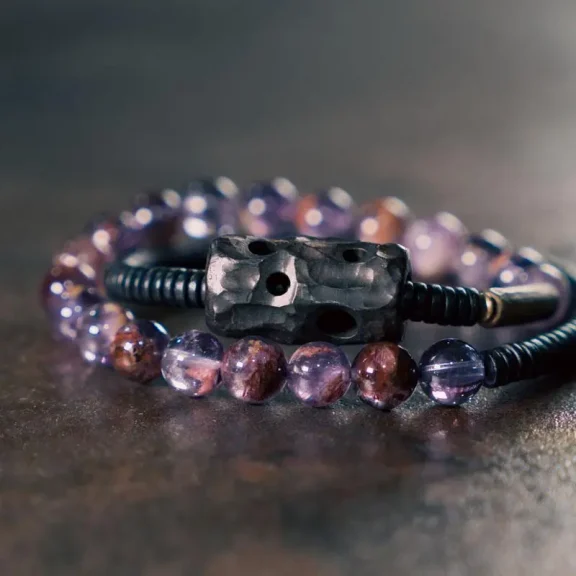
🌿 5. Tips for Buying Genuine Amethyst
- Buy from reputable gemstone or crystal shops.
- Request authenticity certificates when possible.
- Avoid overly bright purple or completely flawless stones—they’re often lab-created.
- Observe how the crystal interacts with light: natural amethyst shows subtle color transitions, not artificial shimmer.
🌈 Conclusion
Amethyst is more than just a beautiful gemstone—it’s a source of spiritual healing, emotional balance, and protective energy. By learning its meaning, benefits, and authenticity traits, you can fully connect with this sacred stone’s natural power and ensure you’re wearing a truly genuine piece of nature.