

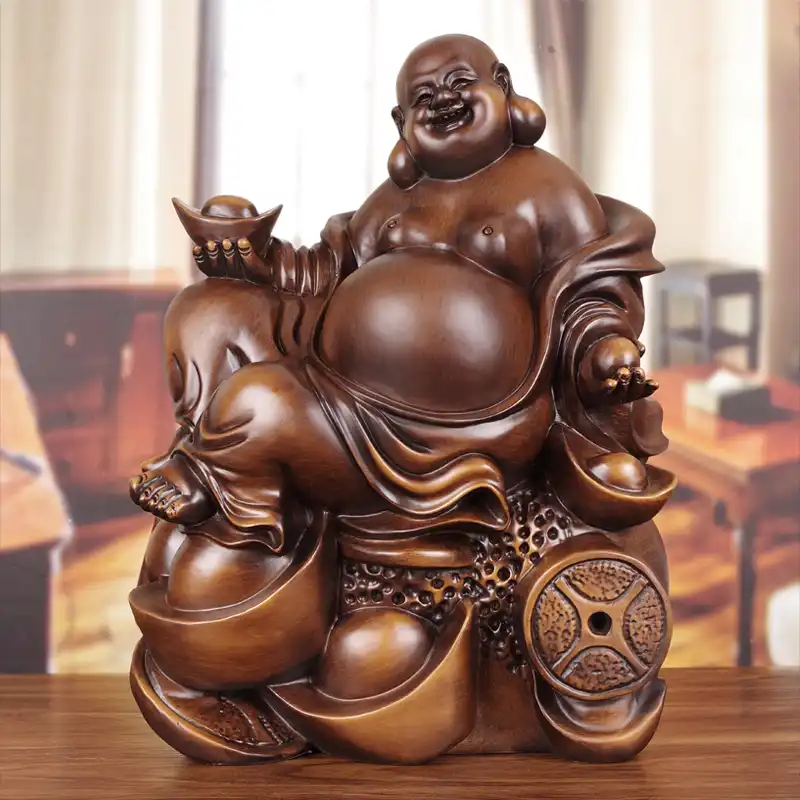

To properly position a garden Buddha statue according to traditional Feng Shui rules, elevate the figure on a solid stone base within a respected compass sector like the East or Northeast. Face the statue toward your patio, main residence entrance, or eastern sunrise while keeping it well above ground level. Always maintain a clean surrounding area free from clutter, trash, or overgrown weeds to preserve serene energy flow.
Key Placement Summary: Always elevate your statue on a solid pedestal of at least 12 to 30 inches. Align the posture with your primary intention using the Bagua (八卦) energy grid. Orient the face toward sunrise or your main outdoor living area to welcome peaceful life force.
Quick Answer & Spiritual Importance
Quick Answer
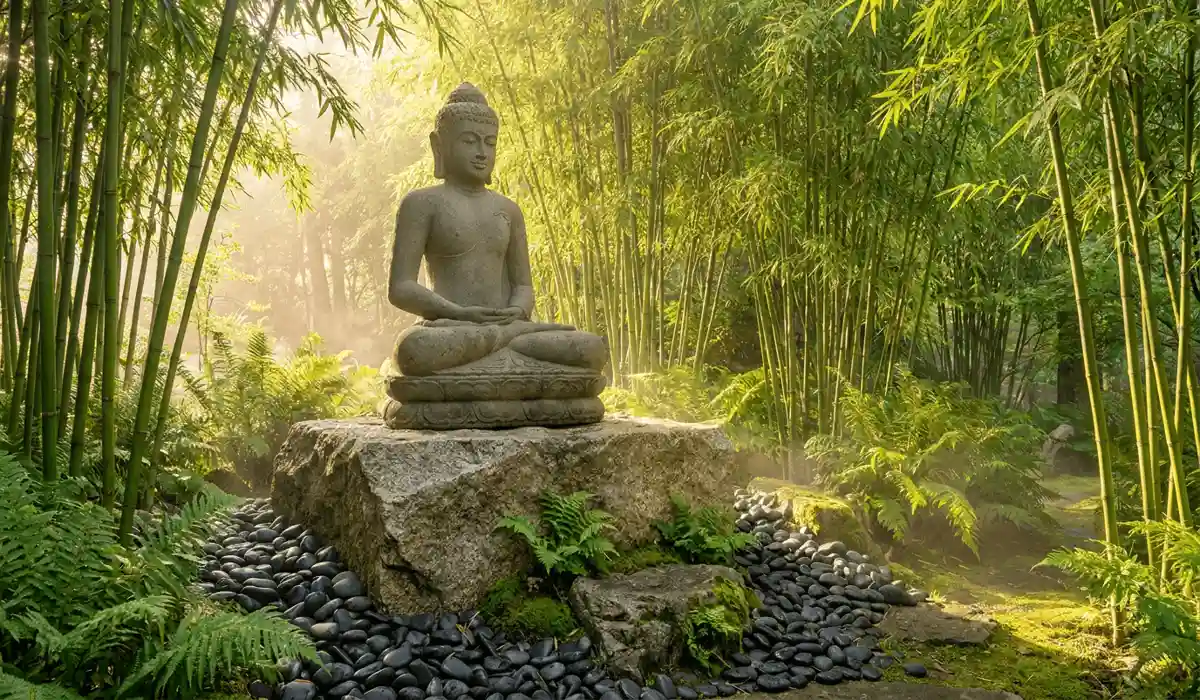
Proper placement of an outdoor Buddha statue requires intentional elevation, directional alignment, and pure elemental harmony. Position the statue on a clean stone or concrete plinth in a high-vibration area such as the East or Northeast sector. Orient the figure toward your living space or morning sun to invite serene Qi (气) into your garden sanctuary.
The Importance of Proper Execution
In our work at Buddha Bodhis, we emphasize that a Buddha statue is far more than a decorative lawn ornament. It serves as a sacred visual anchor that balances environmental forces and elevates human consciousness. Adhering strictly to classical placement rules prevents accidental energy conflicts and preserves sacred respect.
When you align your garden layout with ancient energetic principles, you create a vibrant haven for quiet meditation and personal renewal. Outdoor spaces exposed to harsh wind, rain, and chaotic noise require intentional energetic anchors. A correctly activated statue stabilizes restless surroundings and transforms an ordinary yard into a peaceful sanctuary.
Preparation and Essential Tools for Garden Buddha Feng Shui
Essential Placement Tools & Remedies
Preparing your landscape begins with selecting proper tools to measure, build, and balance your setup. Before moving heavy masonry, our team always gathers specific materials to ensure precision and spiritual safety. Having these remedies ready makes the installation smooth and energetically grounded.
You will need a selection of foundational tools and natural remedies to prepare your sacred outdoor space:
- 🧭 Bagua Map Compass: A reliable directional compass or digital alignment app to identify accurate garden sectors.
- 🧱 Stone Foundation Plinth: A durable concrete, granite, or brick pedestal offering at least 12 inches of elevation.
- 🧂 Natural Cleansing Agents: Pure spring water, coarse sea salt, dried sage leaves, or herbal incense sticks.
- 🌿 Elemental Balancing Accessories: Smooth river stones, bamboo plants, brass bells, or low-voltage solar lighting.
Using high-quality materials ensures your setup lasts for many years without weathering or breaking down. You can select from various Sacred Buddha Statues that match your garden size and material preferences.

Pre-Installation Space Clearing Ritual
Before placing any sacred statue, you must clean the physical ground and refresh the surrounding atmosphere. Remove old weeds, fallen tree limbs, stagnant standing water, and discarded tools from the designated zone. Physical cleanliness opens the pathway for high-vibrational energy to gather.
After removing physical trash, perform a smoke cleansing ritual across the entire installation area. Burn aromatic white sage or resin incense while walking slowly around the perimeter in a clockwise path. State a clear, silent prayer dedicating the space to tranquility, spiritual growth, and family protection.
Step-by-Step Guide: How to Place and Elevate Your Garden Buddha Statue
Milestone 1: Assessing Outdoor Space with the Bagua Compass Map
Begin your project by overlaying the traditional energy map across your garden layout. Stand at the main back door of your house looking out into the yard to establish your baseline directional view. Use your compass to mark the exact cardinal locations of your outer landscape.
Match your personal life goals with the right compass zones across your yard. The Northeast zone cultivates mental clarity and self-reflection, while the East promotes family harmony and physical vitality. Consult professional Feng Shui Society Standards to understand deep directional relationships.
Milestone 2: Preparing and Elevating the Sacred Foundation Plinth
Build a secure, level base using dense natural stone, solid brickwork, or poured heavy concrete. Ground movement from moisture or frost can tip heavy stone figures over time, so ensure your base rests on firm, compacted gravel. The height should lift the statue well off the bare ground.
Critical Grounding Rule: NEVER place a Buddha statue directly on bare dirt, soil, or damp lawn turf. Sitting directly in mud signals energetic neglect and allows grounded earth dampness to drain active life force.
Milestone 3: Cleansing and Spiritually Activating the Buddha Statue
Wash your new figure using fresh spring water mixed with a small handful of sea salt. Use a dedicated soft cloth reserved only for sacred items to remove dust or factory residue. Wipe every curve gently while holding peaceful thoughts in your heart.
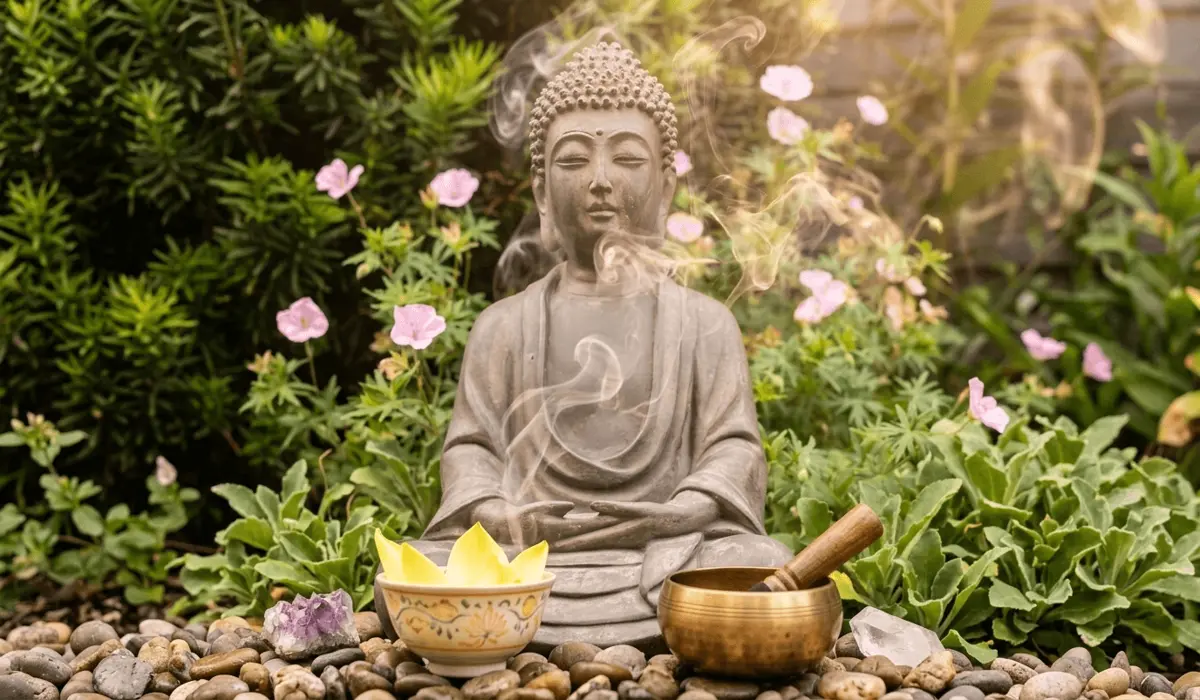
- Wipe down the entire figure from head to base with natural spring water and sea salt.
- Pass burning incense smoke or aromatic sage smoke around the head and hands three times.
- Sound a brass bell or Tibetan singing bowl three times to awaken the sleeping spirit.
- Place a fresh yellow blossom or clean dish of pure water at the base as an offering.
Completing this simple four-step process shifts the item from a factory object into an activated spiritual anchor for your household.
Milestone 4: Orienting the Statue Facing Direction According to Intention
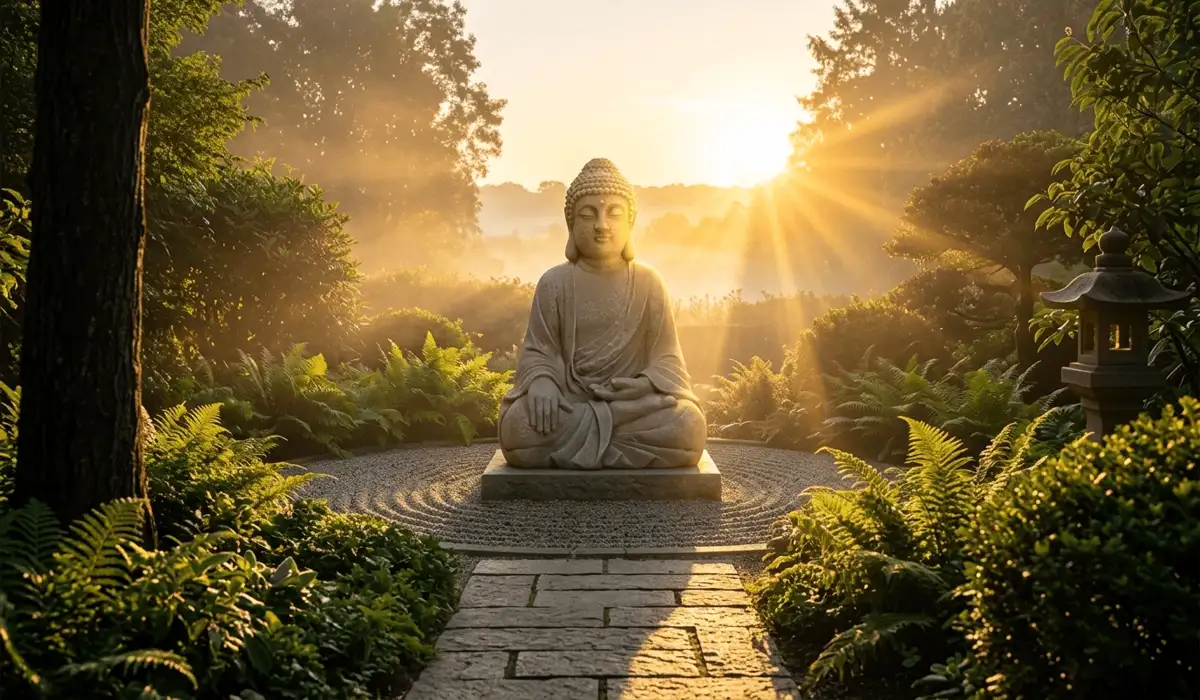
Turn the face of the Buddha toward the East sunrise to encourage renewal, spiritual learning, and health. The rising morning sun awakens the expression of the statue, casting radiant light across your garden landscape. Alternatively, turn the gaze toward your patio or back door to watch over your family.
Ensure the direct line of sight remains unobstructed by tall wooden fences or dense foliage. A clear sightline allows beneficial energy to flow freely into your main home structure. Never face the statue directly toward a plain solid wall or dark storage corner.
Milestone 5: Harmonizing Surrounding Garden Elements and Maintenance Routines
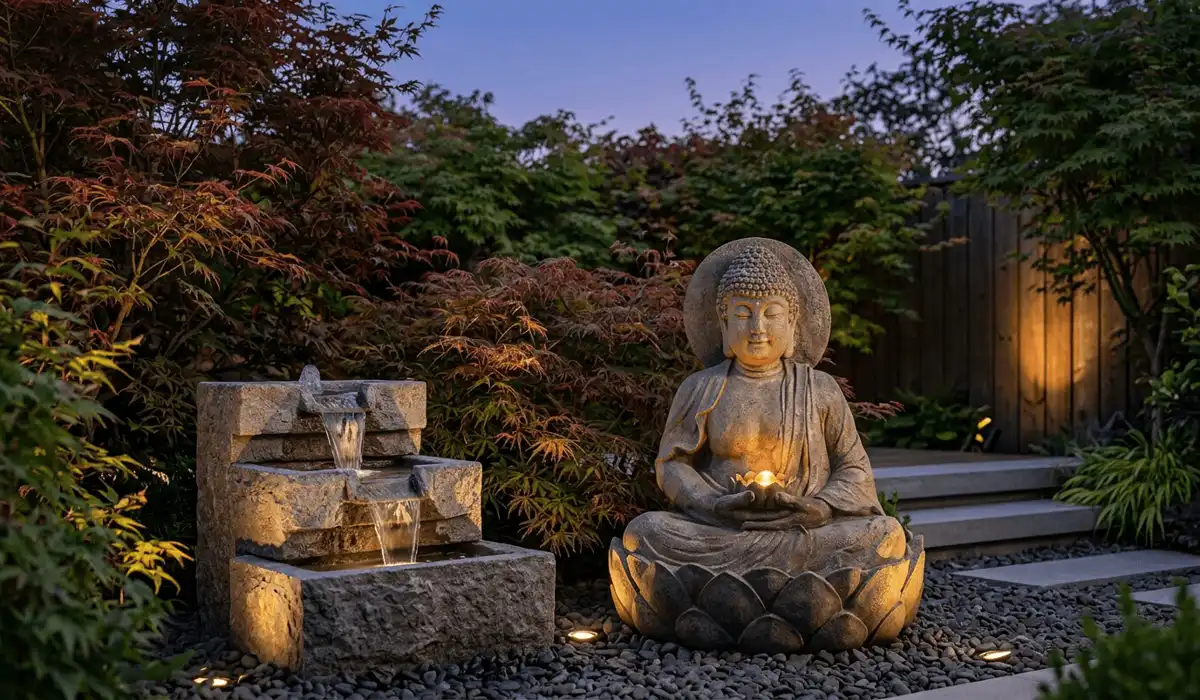
Surround the elevated pedestal with complementary natural plants and gentle garden features. Plant upright green bamboo nearby for protection or place smooth river rocks around the base to anchor stable earth energy. Position a modest flowing water feature nearby to stimulate active financial flow.
Install small solar-powered uplights at the base of the plinth to illuminate the figure after sunset. Light wards off dark energy and ensures your garden sanctuary stays active throughout the night hours. Maintain a clean boundary by sweeping fallen leaves every weekend.

The Feng Shui Logic Behind Bagua Sectors and Directional Orientations
The Principle of Sacred Elevation
Elevating a divine image follows the ancient principle of honoring high spiritual alignment over low physical ground. In classical energetic studies, ground level carries heavy Yin (阴) dampness that slows down active movement. Lifting the figure allows light Yang (阳) vitality to circle freely around the posture.
Positioning the head near eye level when sitting creates a respectful relationship between you and the teaching pose. You should look slightly upward or directly level when meditating in front of the statue. Elevating the foundation also protects sacred stone from garden mud, splashing rain, and lawn pests.
Bagua Sector Synergy
Every corner of your yard corresponds to specific life aspects and elemental forces. Matching your statue pose with the right cardinal quadrant optimizes your desired life results. Studying Classical Feng Shui Principles helps align these environmental forces naturally.
| Garden Sector | Element | Ideal Buddha Statue Pose | Spiritual Life Focus |
|---|---|---|---|
| East | Wood | Medicine or Protection Buddha | Family Health & Vitality |
| Northeast | Earth | Dhyana (Meditation) Buddha | Wisdom & Inner Knowledge |
| Southeast | Wood | Laughing Buddha (Maitreya) | Wealth & Abundance Flow |
| North | Water | Abhaya (Fearless) Buddha | Career Clarity & Protection |
Selecting the proper zone depends on whether you seek peaceful reflection, physical healing, or financial abundance. Placing a meditation statue in the Northeast supports study, quiet thought, and spiritual advancement. Placing a Laughing Buddha in the Southeast encourages joyful financial opportunities.
Five-Element Cycle Balances
The materials used in your statue must harmonize with the target compass quadrant to prevent destructive elemental clashes. Metal statues fit naturally in the West and Northwest, while stone or concrete figures thrive in the Northeast and Southwest. Wooden carved statues match the East and Southeast zones perfectly.
If you place a heavy brass or iron statue in the East, balance the metal force by adding blue accents or a small water dish. Water softens metal and nourishes the natural wood energy of the eastern quadrant. Careful material balancing ensures lasting harmony across your landscape.
Video source: YouTube
Author: Lazy Green Studio
Original video link: https://www.youtube.com/watch?v=HmuCZd4ddiY
Critical Feng Shui Taboos and Mistakes to Avoid Outdoors
Avoid These Placement Taboos: To protect your home from harsh Sha Qi (杀气), avoid common placement errors. Mistakes disrupt calm energy flow and cause unwanted environmental tension.
- 🚫 NEVER place the statue directly on bare ground, soil, or grass turf. Always use an elevated plinth.
- 🗑️ NEVER face the figure toward garbage bins, compost piles, septic covers, or clutter sheds. Bad smells create negative energy.
- 🧺 NEVER set the pedestal beneath hanging clotheslines, outdoor stairs, or low bathroom windows. Drainage energy degrades sacred objects.
- 🌿 DO NOT allow wild weeds, invasive ivy, or overgrown leaves to cover the face or eyes. Blocked eyes represent clouded intuition.
- ⚡ AVOID element mismatches like setting untreated iron in wood sectors without adding balancing water elements.
Reviewing seasonal movements helps keep your property free from energetic stagnation throughout the year. You can check our detailed Feng Shui Energy Forecast to stay aligned with changing cosmic influences.
Garden Buddha Maintenance: When and How to Refresh the Energy
Signs Energy Shifts Require Re-Cleansing
Outdoor statues endure heavy rain, dirt, winter freezing, and intense summer sun over time. Thick layers of mud, wild bird droppings, or dark green mold dull the visual presence of the figure. When physical dirt builds up, the surrounding field feels sluggish and heavy.
You should clean and re-activate your statue whenever your household goes through unusual stress, illness, or arguments. Major weather events like heavy hailstorms or long seasonal freezes also require an energy reset. A clean statue restores fresh vitality to your outdoor sanctuary.
Seasonal Energy Reset Protocols
Perform a thorough cleaning routine twice each year, preferably during the Spring Equinox and Autumn Equinox. Clean the stone surface gently using warm water, mild eco-friendly soap, and soft natural brushes. Wipe the figure dry with a clean towel before resetting surrounding decorative stones.
Prune surrounding shrubs and tree limbs back at least 12 inches from the statue perimeter. Maintaining an open space creates an unobstructed open court called a Ming Tang (明堂) where beneficial energy gathers naturally. Explore historic techniques preserved in Imperial Feng Shui Wisdom archives for advanced space maintenance.
Frequently Asked Questions About Garden Buddha Feng Shui Rules
Q: Can I place a garden Buddha statue facing my main back door?
A: Yes, placing the statue to face your rear entryway creates a protective shield, welcoming peaceful energy and good fortune into your house.
Q: What is the best material for an outdoor Buddha statue in freezing climates?
A: High-density concrete, cast granite, or solid natural river stone are ideal materials because they withstand freeze-thaw cycles without cracking while maintaining strong earth energy.
Q: How high off the ground should a garden Buddha statue be placed?
A: Elevate the pedestal at least 12 to 30 inches off the ground, ensuring the head aligns near eye level when you sit nearby for meditation.
Q: Can I put a Buddha statue near a garden water feature or swimming pool?
A: Yes, setting a statue near clean, moving water is very auspicious, provided the water flows toward the statue or house rather than sweeping away from it.
Q: What should I do if my outdoor Buddha statue breaks or chips?
A: A chipped or broken statue should be respectfully replaced; clean it, offer a brief prayer of gratitude, and bury the pieces in clean soil or recycle them mindfully.
Conclusion and Mindful Intention for Your Outdoor Sanctuary
Properly placing a garden Buddha statue unites intentional landscape design with traditional energetic mindfulness. Lying at the heart of proper placement is genuine respect, clean environmental care, and clear personal motivation. Elevating your statue on a firm base transforms your garden into a nourishing sanctuary.

Natural Rust Iron Resin Guanyin Statue – Serenity, Protection & Inner Peace
- 💎 Natural Rust Iron Resin Guanyin
- ✨ Protection, Inner Peace, & Zen Manifestation
- 📏 6.5 x 2.36 inches (165 x 60 mm)
- ✋ Placement: Elevated Altar or East-facing Living Room to harmonize family energy.
As seasonal patterns shift over time, keep your sacred space tidy and illuminated. Aligning your garden layout with time-tested metaphysical wisdom brings continuous peace to your property. Discover deeper energetic relationships within our Fire Horse Zodiac Insights to harmonize your landscape with yearly cycles.
The information provided in this guide is for informational and cultural purposes only. It does not constitute medical, legal, financial, or professional advice. Readers should consult qualified professionals for specific personal or property needs.

Written by the Buddha Bodhis Team
Since 2020, we have been devoted to exploring traditional year-based wisdom, classical Feng Shui principles, and the rich spiritual symbolism rooted in Eastern cultural heritage. Our work bridges ancient metaphysical systems with modern life, interpreting annual cycles, elemental energies, and symbolic meanings to offer thoughtful insight and practical guidance. Through continuous research and practice, we aim to preserve traditional knowledge while making it accessible, relevant, and meaningful for contemporary seekers of balance, intention, and personal growth.
TikTok | YouTube | Pinterest | X
buddhabodhis@gmail.com