



Choosing between a Ganesha and a Buddha statue often feels like a deep spiritual tug-of-war for the modern homeowner. We often see these icons as beautiful decor, but they are much more than art; they are powerful tools for energy management in your living space. These sacred symbols act as bridges between ancient wisdom and our busy daily lives. By placing these figures in our homes, we invite the energy of divine archetypes into our subconscious minds. Ganesha and Buddha represent two sides of the human experience: navigating the messy external world and mastering the quiet internal landscape.
Quick Answer: Ganesha serves as the “Remover of Obstacles,” making him perfect for new starts and career success. Buddha represents “The Enlightened One,” focusing on inner peace and freedom from stress. Use Ganesha to clear your path and Buddha to calm your mind.
Ancient Origins and Sacred Legends: The Genesis of Divinity
To understand these figures, we must look at their incredible stories. Ganesha was born from the devotion of the goddess Parvati and later tested by the cosmic force of Shiva. This story shows how the human ego must be replaced by a supreme, vast intellect, represented by the elephant head. In the Vedic Hinduism tradition, Ganesha is the Lord of Categories (Gana) and is always the first deity called upon in any ceremony. He is the guardian of the threshold, ensuring that only good energy enters a new phase of life.
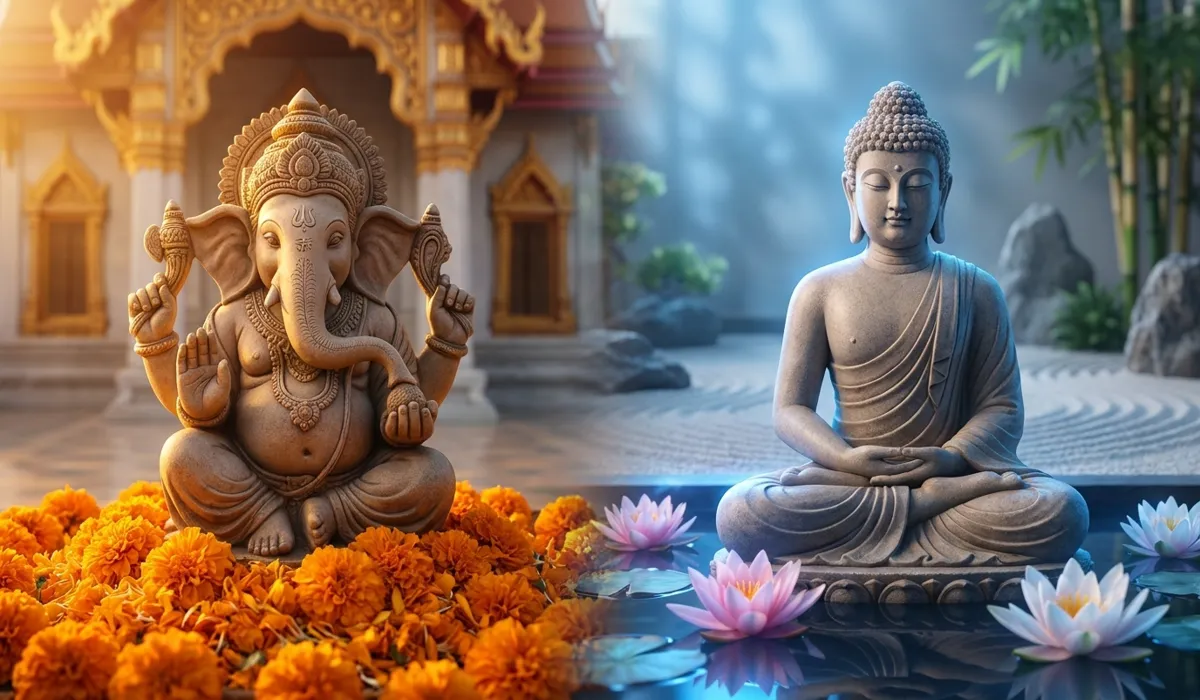
On the other hand, the Buddha began as Prince Siddhartha of the Shakya clan. He lived a life of luxury before leaving it all behind to become a seeker under the Bodhi tree. His journey led to the realization of the Four Noble Truths and the end of Dukkha. While Ganesha represents a divine force from birth, the Buddha shows us a historical human who reached a universal state of being. This makes the Buddha a symbol of what we can all achieve through discipline and meditation.
Interestingly, these two figures meet in the world of Tibetan Vajrayana Buddhism. In this tradition, Ganesha is known as Ganapati and serves as a powerful Dharma Protector. Legend says he surrendered his worldly ego to the Bodhisattva Avalokiteshvara to help others on their spiritual path. This Sacred Syncretism even reaches Japan, where Ganesha is honored as Kangiten. This history shows that these energies are not meant to be separate but can work together to protect and guide us.
Video source:YouTube
Author:Tathagata Buddha
Original video link:https://www.youtube.com/watch?v=WV3eaifjtKM
Hidden Philosophy: Decoding the Language of Symbols
The Architecture of Ganesha: A Map of the Material World
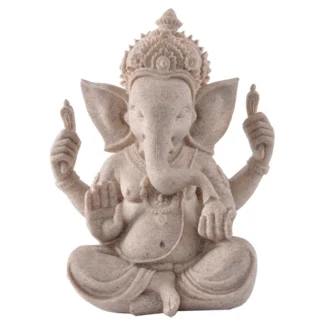
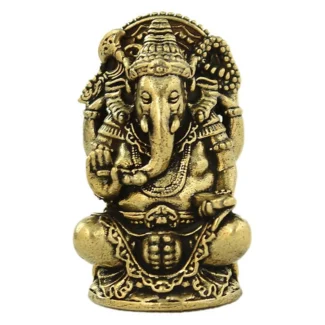
Every part of a Ganesha statue has a specific meaning for our daily lives. Ganesha is connected to the Muladhara Chakra, which is the base of our energy system. This connection provides the Spiritual Grounding we need to handle physical challenges. His large ears remind us to listen more, while his small mouth suggests we should speak less. His large belly shows that we must “digest” all life experiences, whether they are pleasant or difficult.
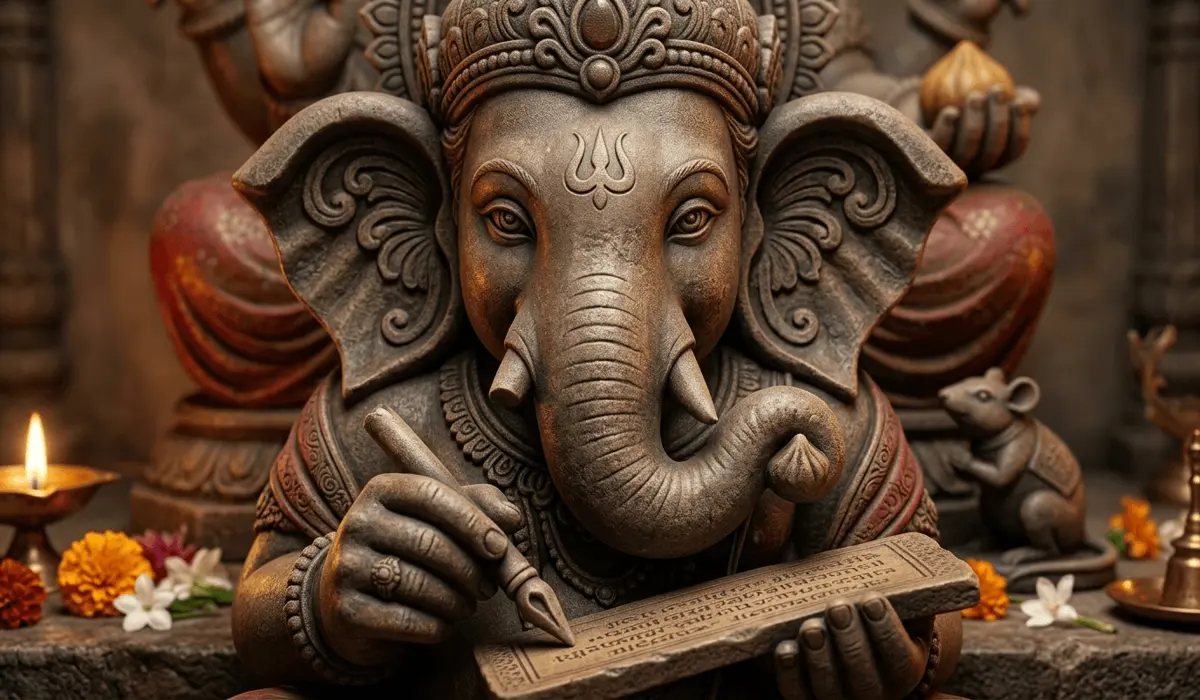
We often notice Ganesha’s broken tusk, which he used as a pen to write the great epic Mahabharata. This represents the sacrifice of the ego for the sake of higher knowledge. Even his mount, a small mouse, has a message for us. The mouse represents the restless mind and its endless desires. By sitting on the mouse, Ganesha shows us how to control our cravings through steady focus. This makes him a perfect guide for anyone looking to master their external world and career goals.
The Anatomy of Buddha: A Map of the Internal Void
The Buddha statue is a visual guide to achieving Mental Equanimity. The bump on top of his head, called the Ushnisha, represents his expanded cosmic consciousness. The Urna, or third eye, shows his ability to see past the illusions of the world. His long earlobes remind us of his past as a prince who wore heavy gold jewelry. By leaving the gold behind, he showed that true wealth comes from within, not from material things.
Buddha’s eyes are usually half-closed, which is a state called “Meditation in Action.” He is looking inward at his soul while also looking outward at the world. This balance helps us stay peaceful even when life gets chaotic. If Ganesha represents Prarambha (Auspicious Beginning), the Buddha represents Nirvana (涅槃). One helps us start the journey, and the other shows us the ultimate goal of peace. Understanding this Ancient Symbolism Research helps us choose the right icon for our current needs.
Cultural Evolution: Global Perspectives on Ganesha and Buddha
In Eastern cultures, these statues are treated as living presences. In India and Nepal, you will find Ganesha at the door of almost every home. He acts as a filter for energy, ensuring only positive vibes enter. In Southeast Asia, the Buddha is the ultimate teacher, found in quiet temples and family altars. These traditions emphasize Active Devotion and keeping a strong connection to one’s spiritual lineage through daily offerings.
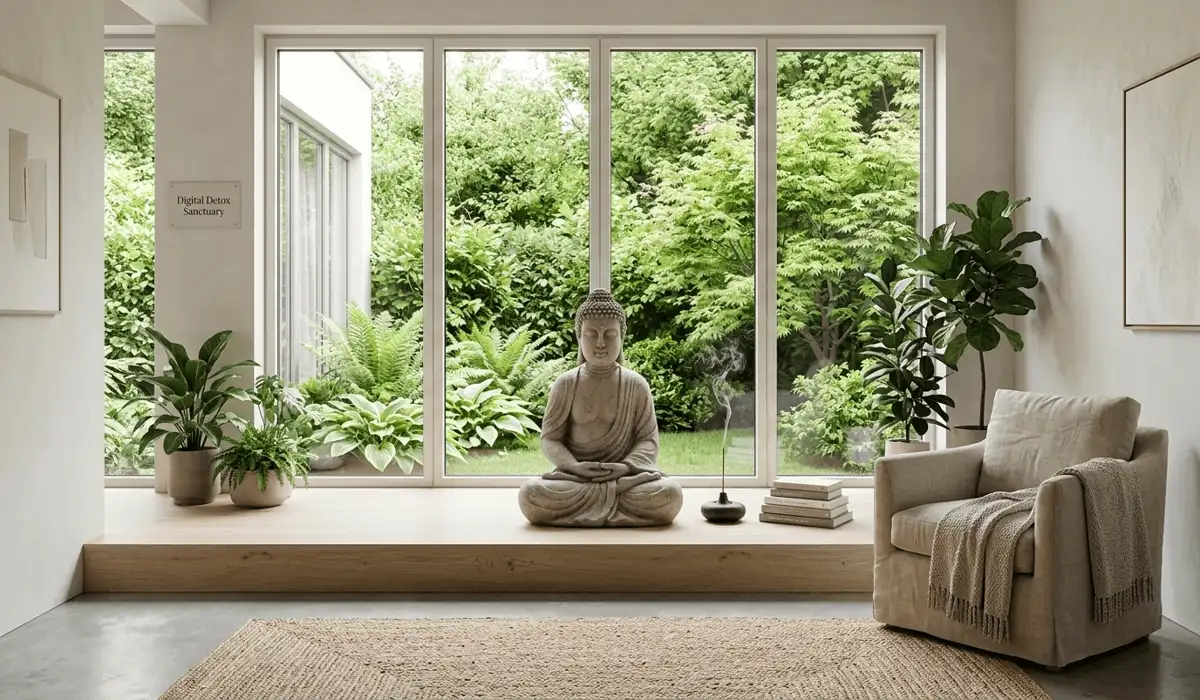
In the West, these symbols have taken on new roles in modern homes. Many people use Buddha statues to create a “Digital Detox” sanctuary. In a world full of phone notifications and social media stress, a peaceful Buddha helps create a psychological boundary. Meanwhile, Ganesha has become a favorite for the “Conscious Startup.” Entrepreneurs often keep an elephant-headed deity on their desks to help them navigate the hurdles of a new business venture. Both figures help us create a sense of Interior Sanctity in a busy world.
Feng Shui Integration: Flow and Protection
Using Feng Shui (风水) principles can help you get the most out of your statues. Placing a Ganesha statue near the entryway acts like a spiritual surge protector. He helps regulate the flow of Chi (气 ) entering your home. This prevents negative energy from overwhelming your living space. For the best results, consult a Professional Feng Shui Practitioner to find the exact compass direction that suits your specific floor plan.
The Buddha is best placed in a living room or a dedicated meditation corner. His presence stabilizes the energy for health and wisdom within the Bagua (八卦). It is important to keep these statues elevated and clean. We recommend following a few simple rules for placement:
- Never place a sacred statue on the floor or in a bathroom.
- Face the Buddha toward the East to welcome the energy of the rising sun.
- Place Ganesha facing North or Northeast to align with prosperous energies.
- Keep the area around the statue clutter-free to allow energy to circulate.
By following these guidelines, you ensure that the statues are respected and that their energy remains vibrant. A well-placed statue becomes a focal point for your home’s harmony. You can also check the Annual Energy Forecast to see how these placements might change with the yearly stars.
Wearing the Amulets: Why Ganesha and Buddha Jewelry Matters Today
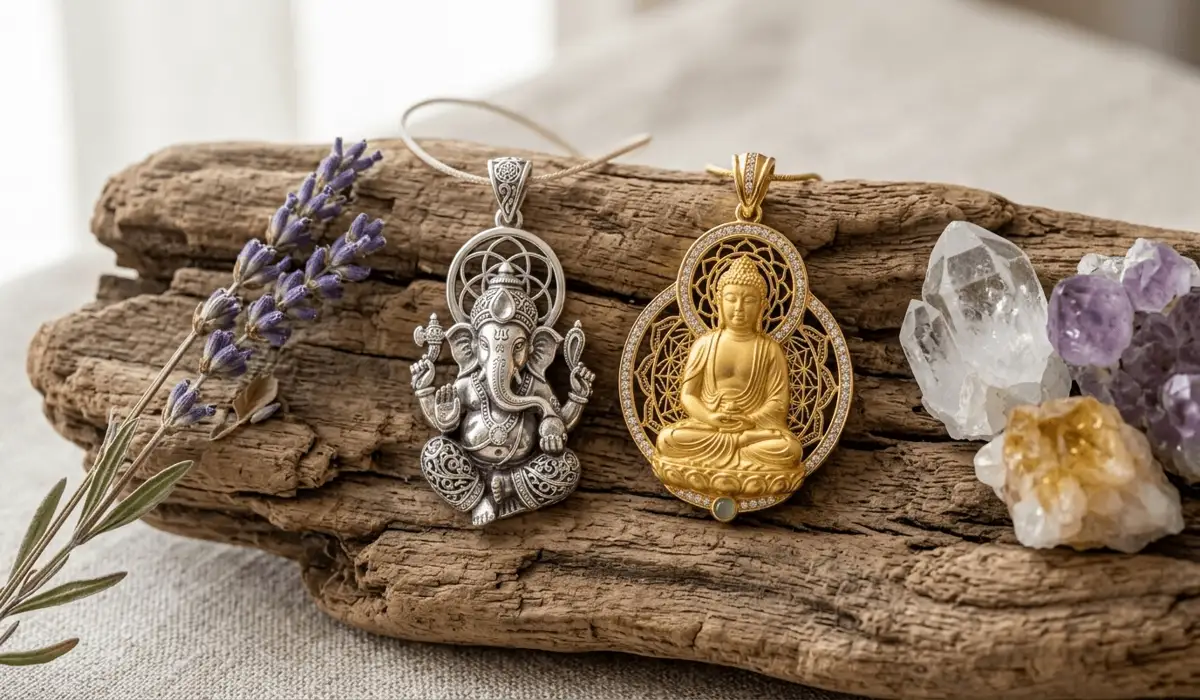
Carrying these symbols with you is just as powerful as having them in your home. Wearing Ganesha and Elephant jewelry serves as a tactile reminder to stay grounded. In 2026, many people are dealing with social anxiety and career stress. A Ganesha pendant acts as a “Mindfulness Anchor,” reminding you that you have the strength to overcome any hurdle. It provides a sense of protection against digital fatigue and the pressure of a fast-paced work life.
Buddha jewelry, on the other hand, encourages us to take a “Pause.” When you feel a pendant against your skin during a stressful meeting, it reminds you to breathe. This small gap between a stressor and your reaction can change your whole day. We believe that Sacred Geometry in modern jewelry helps amplify your intentions. Whether it is a gold Buddha or a silver Ganesha, these pieces help you live more intentionally. This is especially helpful if you are following the Personal Luck Cycles for this year.
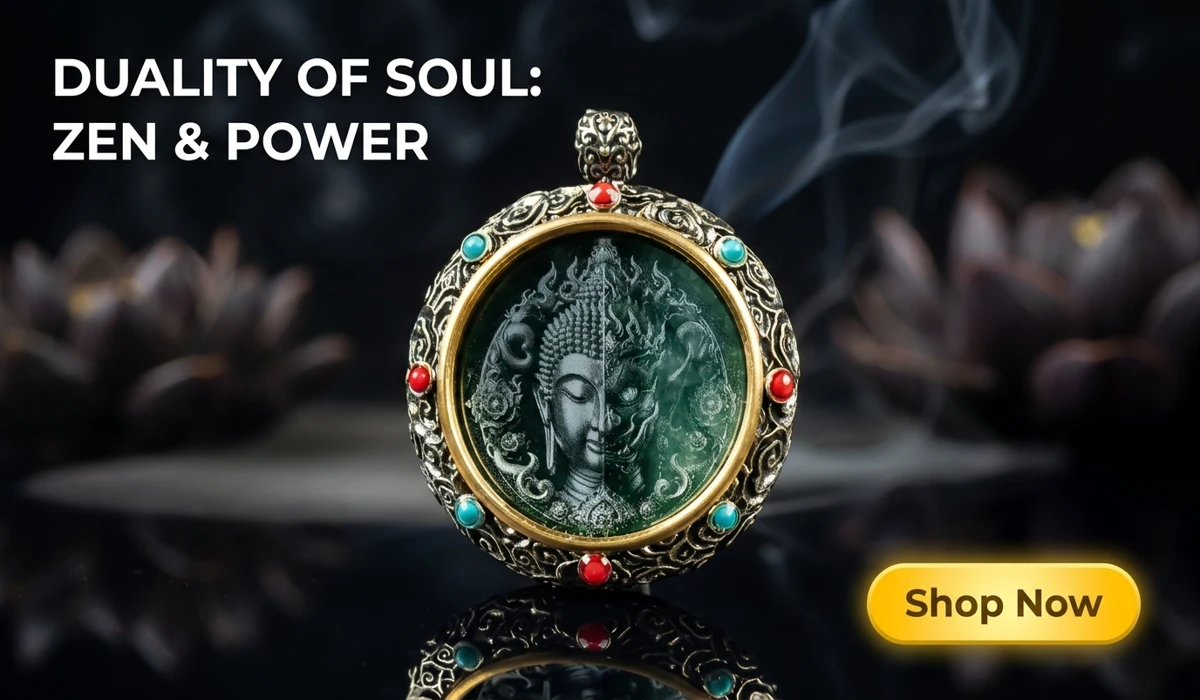
Choosing a piece of jewelry is also about conscious gifting. A Ganesha piece is a wonderful gift for someone starting a new job, getting married, or moving into a new home. It shows you wish them success and a clear path. A Buddha piece is better for someone seeking healing, going through grief, or deepening their meditation practice. It offers the gift of peace and mental clarity. You can find many beautiful options in our Spiritual Pendant Collection.
Ritual and Practice: Meditating with Ganesha and Buddha
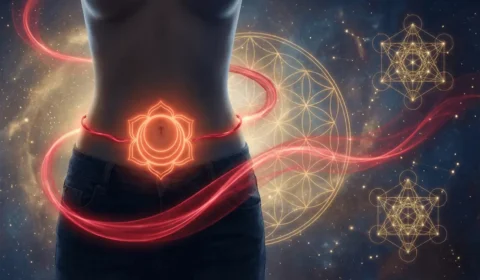
Owning a statue is the first step, but interacting with it brings the energy to life. To activate Ganesha’s energy, try a simple visualization. Sit in front of the statue and focus on your Muladhara Chakra at the base of your spine. Imagine a bright red light grounding you to the earth. You can use the mantra “Om Gam Ganapataye Namaha” to ask for help with a specific problem. This practice helps clear the path for your goals, especially if you are launching a new digital venture.
The Synergy Ritual: If you have both statues, honor Ganesha first to clear external obstacles. Then, focus on the Buddha to find the internal peace needed to enjoy your success. This “Path and Goal” method ensures total balance in your spiritual life.
To cultivate the Buddha mind, practice the “Breath of Awakening.” Look at the gentle half-smile of the Buddha statue and try to mirror it. Use the Anapanasati (Mindfulness of Breathing) technique. Focus only on the air entering and leaving your nose. This simple ritual helps reset your nervous system and reduces anxiety. Consistent practice with these icons creates a powerful Karmic Balance in your home sanctuary.
Cultural Etiquette and Taboos: The Ethics of Placement
Respect is the most important part of keeping sacred statues. There are certain “Death Zones” in Feng Shui that you must avoid. Never place a statue in a laundry room, garage, or facing a toilet. These areas have low energy that can disrespect the divine figure. Always place your icons above the waist. This shows that you value spiritual and intellectual wisdom more than material desires. It is a simple way to practice Cultural Etiquette and avoid cultural appropriation.
| Feature | Ganesha Statue | Buddha Statue |
|---|---|---|
| Core Goal | Removing obstacles and success | Inner peace and enlightenment |
| Ideal Placement | Entryway or office desk | Meditation room or living area |
| Best Direction | North or Northeast | East |
| Common Offerings | Flowers, sweets, and bright light | Incense, water, and candles |
Maintaining the statues is also a form of devotion. Dust them regularly with a clean cloth. If you make offerings, keep them fresh. Ganesha loves vibrant energy, so orange flowers and sweets are perfect. The Buddha prefers cool, calm offerings like fresh water or a single white lotus. By taking care of the physical statue, you show that you are serious about the spiritual energy it brings into your home. You can learn more about these traditions from World Feng Shui Guides.
Frequently Asked Questions
Q: What is the symbolic difference between Ganesha’s trunk position and Buddha’s hand mudras?
A: Ganesha’s trunk turned to the left represents material wealth and the moon’s cooling energy. If it turns to the right, it represents the sun’s fire and powerful logic. Buddha’s hand gestures, or mudras, show different mental states. For example, the hand held up means fearlessness, while the hand touching the ground represents being grounded in reality.
Q: Can I place Ganesha and Buddha on the same altar without clashing energies?
A: Yes, you can. In many traditions, they work together. However, you should place the Buddha slightly higher because he represents the final state of enlightenment. Ganesha acts as the protector who helps you reach that higher state. Keeping this hierarchy shows respect for their different roles.
Q: Which statue is better for overcoming 2026’s career burnout and social anxiety?
A: Ganesha is better for the external side of burnout, like clearing paperwork or fixing office politics. The Buddha is better for the internal side, helping your nervous system recover from social anxiety. Using both helps you fix the problem and heal your mind at the same time.
Q: Which deity should I invoke before starting a new digital venture or startup?
A: Ganesha is the best choice for new beginnings. He is the patron of “Auspicious Starts” and helps remove the technical or financial hurdles that often stop new businesses. Placing a Ganesha on your desk can help you stay focused on your goals.
Q: Does a sleeping Buddha statue serve the same purpose as a dancing Ganesh?
A: No, they are very different. A sleeping (reclining) Buddha represents final peace and the end of all struggle. A dancing Ganesha represents the joyous, creative movement of life. Use the sleeping Buddha for deep rest and the dancing Ganesha for creative energy and getting rid of a stagnant ego.
Conclusion: Integrating the Wisdom of Ganesha and Buddha
In the end, the choice between Ganesha and Buddha depends on what your soul needs right now. If you are facing big changes and need the strength to move forward, Ganesha is your guardian. If you feel overwhelmed and need a sanctuary for your mind, the Buddha is your guide. Many of us find that we need both. Ganesha clears the road so we can walk toward the peace that the Buddha teaches. Together, they create a home that is both successful and serene.
4 Steps to Integrate These Symbols:
- Set a clear intention: Decide if you need external help or internal peace.
- Choose your spot: Pick a high, clean place based on Feng Shui directions.
- Perform a small welcome: Light a candle or incense when you first place the statue.
- Practice daily: Spend one minute each morning looking at the statue to ground your energy.
We hope this guide helps you create a more intentional and balanced home. Whether you choose the “Remover of Obstacles” or the “Enlightened One,” these ancient symbols will bring a sense of purpose to your space. May your journey be free of hurdles and filled with the light of awakening.
This content is provided for informational purposes and cultural exchange only. It does not constitute medical, legal, financial, or other professional advice. Readers should consult with qualified professionals for specific needs or concerns regarding their personal circumstances.
Written by the Buddha Bodhis Team
Since 2020, we have been devoted to exploring traditional year-based wisdom, classical Feng Shui principles, and the rich spiritual symbolism rooted in Eastern cultural heritage. Our work bridges ancient metaphysical systems with modern life, interpreting annual cycles, elemental energies, and symbolic meanings to offer thoughtful insight and practical guidance. Through continuous research and practice, we aim to preserve traditional knowledge while making it accessible, relevant, and meaningful for contemporary seekers of balance, intention, and personal growth.
TikTok | YouTube | Pinterest | X
buddhabodhis@gmail.com