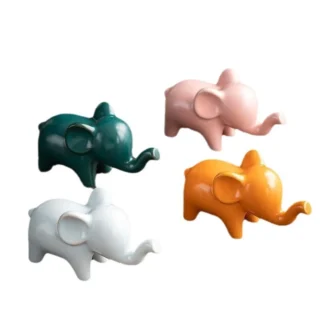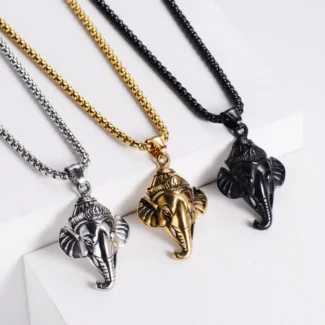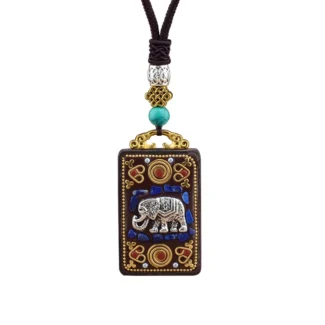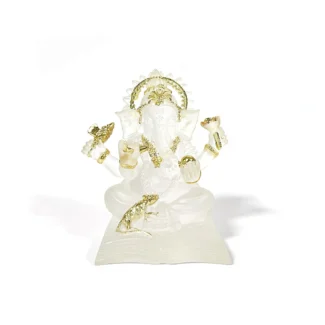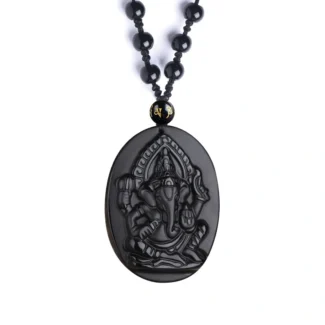




At Buddha Bodhis, we study ancient symbols that help us find balance in modern life. The elephant stands out as a universal sign of strength, quiet wisdom, and deep peace. Across many centuries, people have honored this peaceful giant as a sacred protector and a model of grounded living.
Quick Answer: Core Spiritual Meaning of the Elephant
The elephant globally symbolizes Sthirata (unshakable spiritual stability), supreme wisdom, royal dignity, ancestral memory, and the effortless removal of obstacles. Across ancient traditions, it embodies calm strength, protective matriarchal leadership, and the grounded presence required to navigate life’s spiritual journey.
Ancient Roots and Sacred Mythology
In our research into ancient wisdom, we see that sacred stories always link the elephant to cosmic power. These traditional tales teach us how to stay steady when the world around us feels chaotic. They show us that true power comes from quiet confidence rather than noise or force.
Vedic Hinduism and the Divine Emergence of Airavata
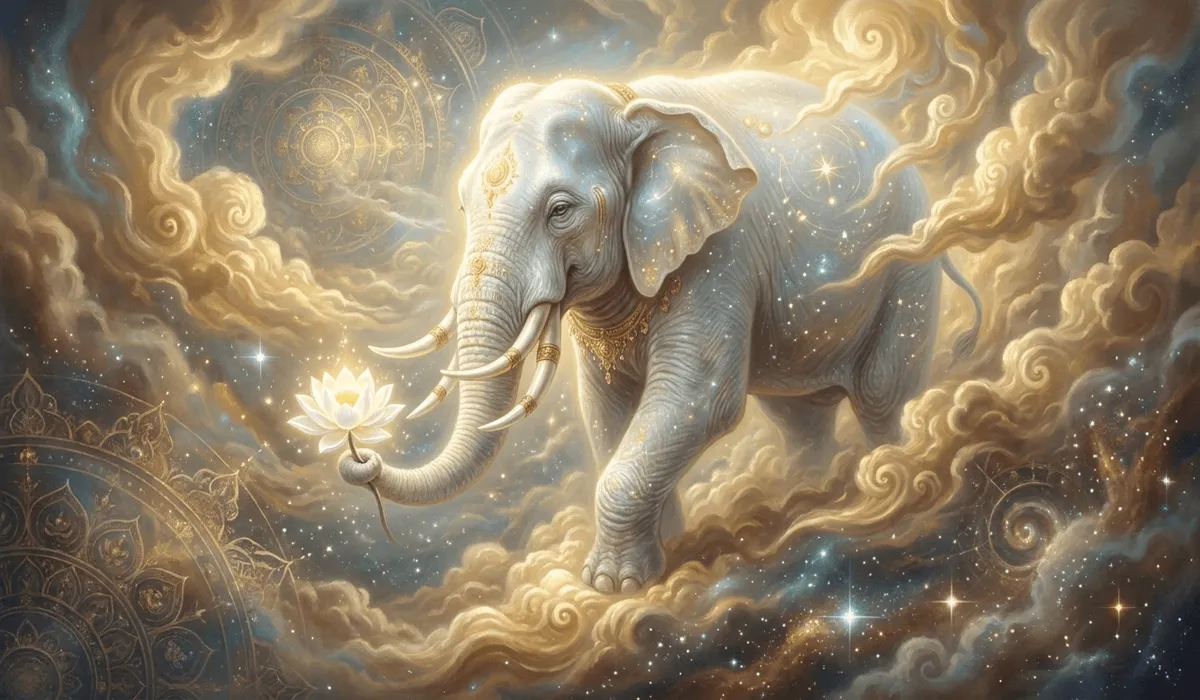
In Vedic tradition, the story of the elephant begins during the creation of the cosmos. During the great Churning of the Ocean of Milk, a magnificent white elephant named Airavata emerged from the swirling waters. He had clean white skin that looked like rain clouds and carried the king of gods, Lord Indra.
Airavata brought life-giving rain to the earth. He also held up the four corners of the universe with other cosmic elephants. This divine story shows that elephants represent the stability that keeps the universe in order.
Buddhist Traditions and Queen Maya’s Sacred Dream
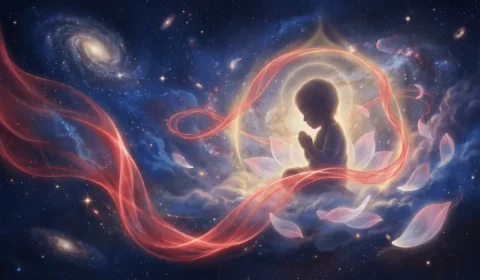
The elephant plays a sacred role in the birth of the Buddha. Before Gautama Buddha was born, his mother, Queen Maya, had a miraculous dream. She saw a luminous white elephant with six tusks descend from heaven carrying a bright lotus flower.
The gentle white elephant entered her right side without causing any pain. Wise men knew this dream meant her child would grow up to become a fully enlightened teacher. The six tusks represent overcoming six human weaknesses: ignorance, desire, anger, pride, jealousy, and false views.
African Folktales and the Wise Sovereign of the Bush
In traditional African folklore, people treat the elephant as the wise king of all animals. Traditions across the continent honor the elephant for its remarkable memory and deep family bonds. Stories passed down by elders picture the elephant as a fair leader who protects the weak and keeps peace in the forest.
Many indigenous cultures view the elephant as a living link to ancestral spirits. You can learn more about ancient world history in the Global Historical Encyclopedia Reference. These African myths show that true strength lies in protecting your family and remembering your history.
Feng Shui Origins and Sacred Geomancy
In classic Asian spatial design, energy flows through physical landmarks like mountains and rivers. The solid body of an elephant mimics a sturdy mountain, which provides shelter and safety behind a home. Because of this, builders carved large stone elephant statues to guard sacred sites.
You can still see majestic stone elephants lining the imperial path to ancient tombs. These statues protected the emperor and kept the kingdom stable. Today, practitioners use elephant symbols to ground helpful energy inside modern living spaces.
The Hidden Philosophy: Decoding Elephant Symbolic Meaning
Behind the stories and statues lies a practical framework for mental peace. We study these symbolic meanings to help people build calm habits in their everyday lives. By understanding the elephant archetype, we learn to respond to stress with steady awareness.
Sthirata: Unshakable Spiritual Stability and Grounding Energy
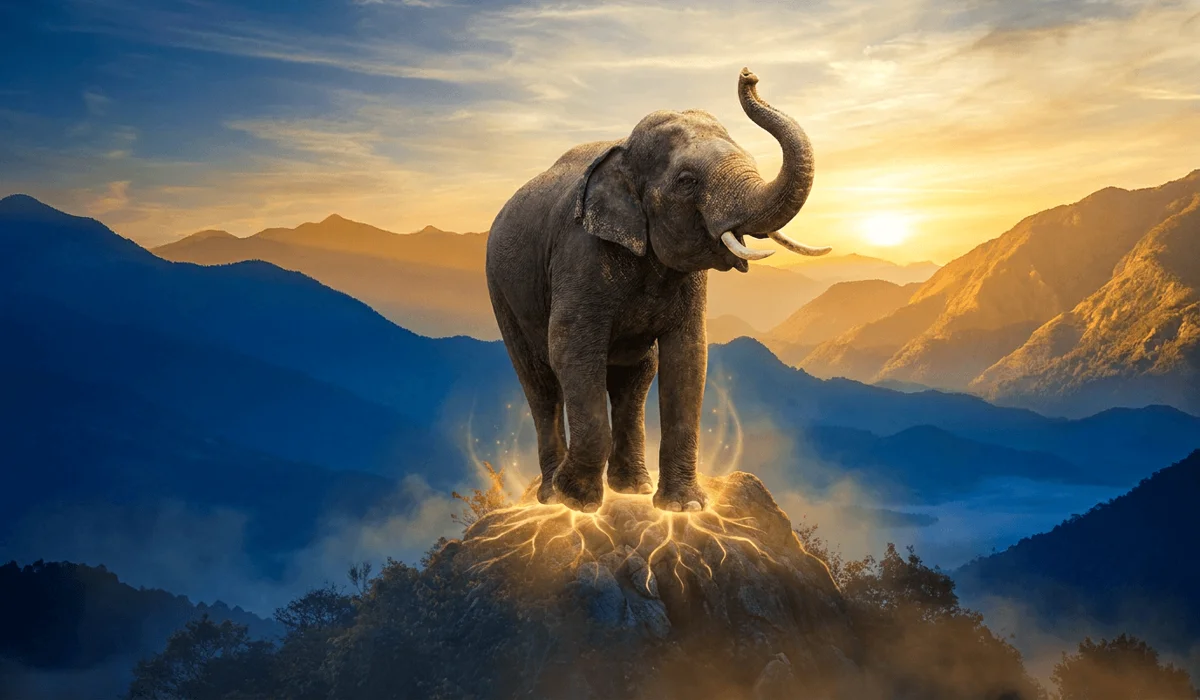
In ancient teachings, the concept of Sthirata means complete inner firmness. It describes a mind that remains calm even when unexpected challenges arise. An elephant walking through a forest moves slowly and deliberately, taking firm steps that root it to the earth.
This slow movement connects directly with our lower energy centers, often called the Root Chakra. When we feel anxious or distracted, focusing on the elephant helps us return to the present moment. It reminds us that we can be as steady and unmoving as a mountain.
Calm Strength over Reactive Force
An elephant rarely uses its massive weight to cause harm or start fights. Instead, it moves with quiet grace, choosing peace over aggression. This behavioral trait teaches us the practice of non-violence and emotional self-control.
When faced with noise or hostility, the elephant stays relaxed and unbothered. It shows us that real authority does not require shouting or anger. True strength is quiet, patient, and restrained.
Deconstructing Visual Anatomy and Iconography
Every part of the elephant holds a hidden spiritual lesson for seekers. Understanding these physical details allows us to appreciate the deeper meaning behind sacred art and talismans.
- Trunk Posture: A raised trunk scatters positive energy, success, and joy, while a lowered trunk collects energy, preserves vitality, and keeps the home peaceful.
- Six Tusks: The six white tusks represent overcoming greed, hatred, ignorance, pride, envy, and wrong thinking.
- Large Ears: Wide flapping ears remind us to listen carefully to spiritual truths and block out meaningless gossip.
- Small Eyes: Tiny eyes encourage us to look inward with spiritual intuition rather than trusting outer appearances.
- Heavy Feet: Big solid feet show our power to crush bad habits and overcome life’s obstacles through patient practice.
By studying these physical symbols, we learn how to train our own minds. Detailed guides like the Ganesha Statue Symbolism Principles explain how sacred shapes affect our personal energy. Paying attention to these visual features brings clear intention to our daily practice.
Cultural Perspectives Comparison
To help you compare how different traditions honor the elephant, we have compiled a detailed overview below. This chart highlights how various cultures view this sacred animal.
| Cultural Tradition | Sacred Symbol / Name | Core Meaning | Spiritual Purpose |
|---|---|---|---|
| Vedic Hinduism | Airavata & Ganesha | Obstacle removal, rain, cosmic order | Brings good fortune, wisdom, and new starts |
| Buddhism | Six-Tusked White Elephant | Mental purity, gentle strength, royal birth | Guides the mind toward enlightenment |
| African Traditions | Wise Forest Sovereign | Ancestral wisdom, herd unity, strength | Protects family bloodlines and community traditions |
| Feng Shui | Earth Guardian Statue | Mountain stability, wealth retention | Protects home energy and locks in prosperity |
Global Perspectives on Elephant Symbolism
As civilizations traded goods and ideas, elephant symbolism spread across continents. While each culture added its own local beliefs, the core themes of wisdom, protection, and patience remained constant everywhere.
Eastern Traditions: Deities, Royal Kingship, and Dharma
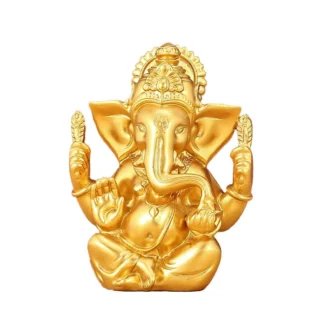
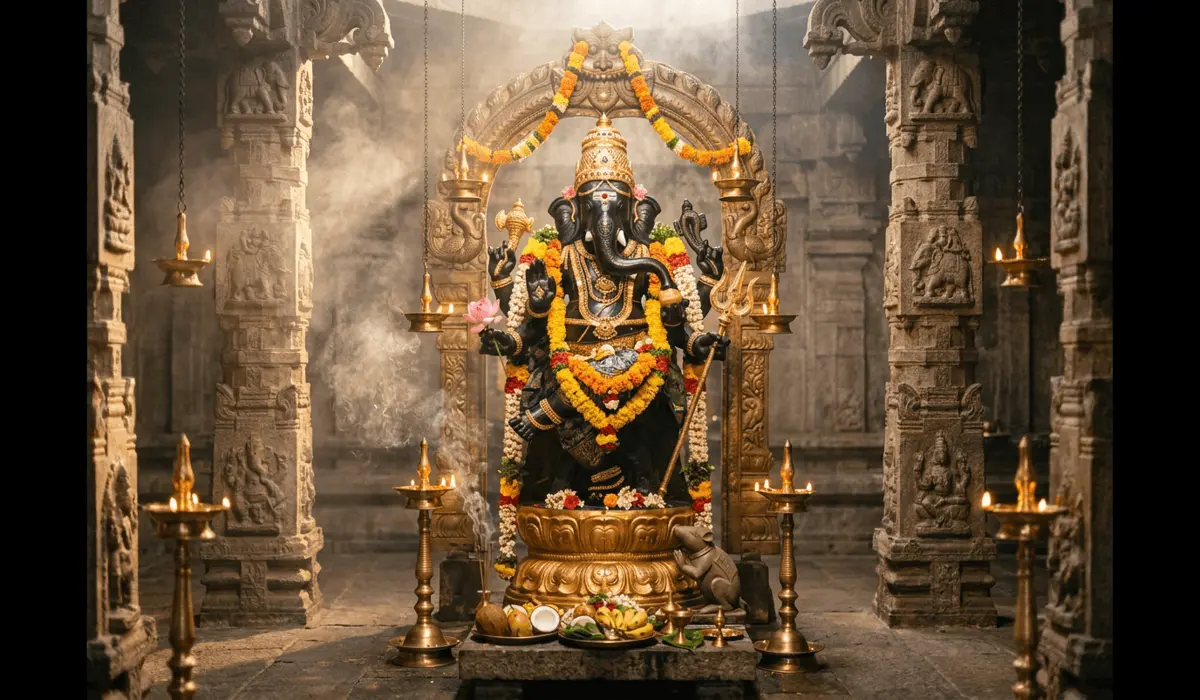
In India, Lord Ganesha is one of the most beloved spiritual figures. With his human body and elephant head, he is known as the supreme remover of obstacles. People pray to Ganesha before starting a new business, moving into a new home, or taking an important exam.
In Southeast Asia, Thailand celebrates the white elephant as a national symbol of royal power and peace. Historically, when a white elephant was discovered, it was immediately presented to the king. It was believed that a white elephant brought peaceful weather, plentiful harvests, and safety to the kingdom.
To explore how these cultural traditions developed across time, watch this informative documentary video below:
Video source: YouTube
Author: 1MinuteCute
Original video link: https://www.youtube.com/watch?v=6s8W8aHq8to
Japanese Zen Art and Shinto Adaptations
In Japanese Zen ink paintings, artists painted wild elephants using quick, simple brush strokes. These paintings represented the untrained human mind, which can be wild and unpredictable. Over time, through meditation practice, the wild animal becomes calm and gentle, reflecting a quiet, clear mind.
In traditional architecture, builders placed carved elephant figures on temple roofs. These protective carvings, known as Baku, were believed to eat bad dreams and keep the building safe from fire and storms. For deeper insights into traditional practices, visit the Feng Shui Society Organization website.
African Indigenous Wisdom: Matriarchal Leadership and Family Unity
In wild elephant herds, the oldest female leads the entire family group. This matriarch holds the collective memory of the herd, knowing where to find water during dry seasons and how to avoid dangers. African traditions honor this natural wisdom as a model for community leadership.
The strong bond between mother and calf symbolizes unconditional love and protective care. When an elephant gives birth, the whole herd gathers around to celebrate and protect the newcomer. This behavior reminds us to honor our ancestors and support our own communities.
Modern Western Perception: Psychological Stability and Totems
In modern Western psychology, the elephant represents emotional resilience and mental stability. Therapists and wellness coaches often use the elephant as a visual symbol for staying grounded during difficult times. Its large size and calm demeanor remind us that we can handle heavy emotional loads.
Many people today adopt the elephant as a spirit animal totem to help manage stress. Looking at an elephant statue or wearing a small charm serves as a quick visual reminder to slow down and breathe deeply. It offers a simple way to pause during a busy, stressful day.
Feng Shui Placement Guide: Activating Wealth, Protection, and Stability
Bringing elephant statues into your home can help balance spatial energy and invite good fortune. Knowing where to place these sacred symbols ensures that energy flows smoothly throughout your living spaces.
Place an elephant near your front door facing inward to welcome good luck, peace, and abundance into your home. If you want to guard against negative external energy, place the elephant facing outward toward the entrance. You can find comprehensive tips in our Feng Shui Elephant Guidelines.
Place a small elephant statue on your office desk to boost concentration and foster wise decision-making at work. Placing a pair of trunk-down elephants in your bedroom creates a soothing atmosphere that encourages peaceful sleep and strong relationships. For additional spatial tips, check out the World of Feng Shui Resource.
Key Takeaway: Strategic Placement
An upward trunk welcomes active financial growth and joyful energy into common living areas. A downward trunk grounds household energy, protects your health, and locks in existing wealth inside private rooms.
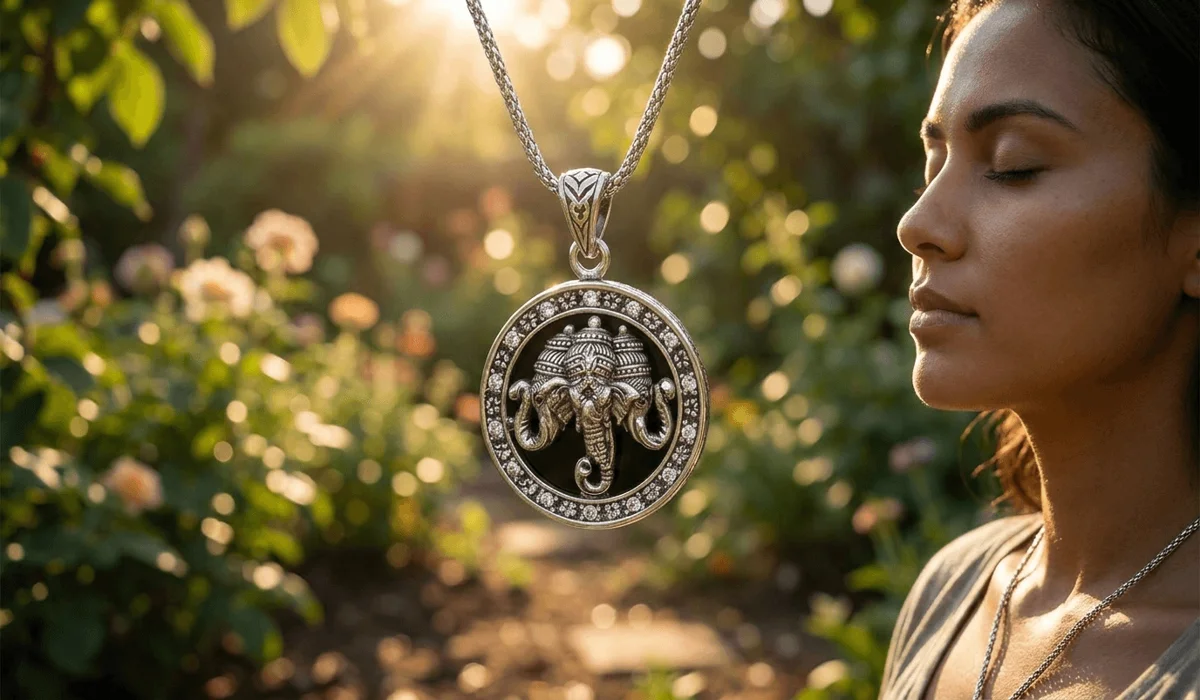
Wearing the Sacred Totem: Why Elephant Jewelry Matters Today
In our modern world, we are constantly bombarded with digital notifications, fast deadlines, and constant noise. Wearing symbolic jewelry offers a practical way to stay anchored in the present moment throughout the day.
When you wear an elephant pendant, ring, or bracelet, it acts as a physical touchpoint for your mind. Whenever you feel overwhelmed, touching the cold metal or carved stone brings your attention back to your breath. It acts as a physical cue to release tension and feel grounded.
Wearing elephant jewelry during life transitions helps clear away self-doubt and mental hurdles. You can explore our mindfully crafted pieces in the Sacred Elephant Jewelry Collection. Carrying this ancient symbol reminds you that you have the inner strength to move past any obstacle.
Key Takeaway: Personal Mindful Anchors
Wearing a sacred talisman transforms abstract spiritual ideas into tangible physical reminders. Touch your totem during moments of stress to restore your balance and clear your thoughts.

Rituals and Practices: How to Meditate with Elephant Energy
You can bring the grounding presence of the elephant into your daily meditation routine through a simple visualization exercise. Practice these basic steps whenever you need to quiet a restless mind and regain your focus.
Follow this simple step-by-step process to align your mind with the calm, stable energy of the elephant:
- Step 1: Sit Comfortably: Sit upright on a chair or floor cushion with your spine straight and feet resting flat on the ground.
- Step 2: Visualize Roots: Close your eyes and imagine deep, sturdy roots extending from your lower spine down into the solid earth.
- Step 3: Invoke the Totem: Picture a peaceful white elephant standing beside you, radiating calm, steady protection.
- Step 4: Practice Steady Breathing: Inhale for 4 counts, hold your breath for 4 counts, and exhale slowly for 6 counts to settle your nervous system.
During your meditation, you can repeat the ancient Ganesha seed sound: Om Gam Ganapataye Namaha. Repeating this simple phrase helps clear away mental clutter, dissolve fear, and fill your mind with calm strength.
Frequently Asked Questions
Q: What is the spiritual significance of a white elephant in Eastern traditions?
A: A white elephant represents complete purity of mind, royal dignity, peace, and spiritual awakening. In Buddhist traditions, it marks the sacred birth of the Buddha and symbolizes mastery over sensory distractions.
Q: Should an elephant trunk be up or down for good luck and protection?
A: A raised trunk attracts active luck, joyful celebrations, and financial success into a space. A lowered trunk focuses on storing internal energy, maintaining health, and providing calm grounding protection for the household.
Q: Where should you place elephant statues in Feng Shui for wealth and harmony?
A: Place elephant statues near your front entryway facing inward to welcome prosperity, or in the office to enhance focus. A pair of trunk-down elephants in the bedroom supports harmony and trust between partners.
Q: How does Lord Ganesha relate to sacred elephant symbolism in Hinduism?
A: Lord Ganesha features an elephant head on a human body, symbolizing supreme wisdom, intellect, and obstacle removal. He is honored as the guardian of new beginnings and wise decisions.
Q: How can wearing elephant jewelry serve as a grounding anchor for anxiety in 2026?
A: Touching a physical elephant pendant serves as a tactile cue to pause, slow your breathing, and reset your nervous system. It reminds you to stay patient and stable when facing busy digital stress.
Conclusion: Integrating the Wisdom of the Elephant
The sacred elephant offers much more than decorative charm; it is a living symbol of patience, quiet power, and inner stability. By studying its deep history across global traditions, we learn how to handle life’s challenges with steady confidence and gentle strength.

Bottle Style Iron Resin Guanyin Statue – Inner Peace, Protection & Zen Serenity
- 💎 Iron-Resin Composite (80% Iron)
- ✨ Inner Peace, Household Protection, Zen Mindfulness
- 📏 7.08 x 2.75 inches (180 x 70 mm)
- ✋ Sacred Altar or Entrance Hall: Place here to bless all who enter and to guard the peace of your inner sanctuary.
Walk deliberately through your day, listen carefully to others, lead your family with love, and remain unshakable in your core values. Let the timeless wisdom of the elephant guide your journey toward peace, balance, and quiet confidence.
This article is published for educational, cultural, and informational purposes only. The information provided herein does not constitute professional medical, legal, financial, or therapeutic advice. Readers should consult qualified professionals for specific guidance regarding their health, finances, or personal well-being.

Written by the Buddha Bodhis Team
Since 2020, we have been devoted to exploring traditional year-based wisdom, classical Feng Shui principles, and the rich spiritual symbolism rooted in Eastern cultural heritage. Our work bridges ancient metaphysical systems with modern life, interpreting annual cycles, elemental energies, and symbolic meanings to offer thoughtful insight and practical guidance. Through continuous research and practice, we aim to preserve traditional knowledge while making it accessible, relevant, and meaningful for contemporary seekers of balance, intention, and personal growth.
TikTok | YouTube | Pinterest | X
buddhabodhis@gmail.com