


Yes, non-Buddhists can wear a Tibetan blessed bracelet or hand-knotted Tibetan thread bracelet provided it is worn with mindfulness, positive intentions, and sincere respect for its origins. These sacred red strings and hand-knotted cords are crafted as universal gifts of peace, protection, and spiritual focus for all human beings. You do not need to convert to Buddhism or abandon your personal faith to wear one daily.
At Buddha Bodhis, our team of dedicated practitioners works directly with traditional Himalayan wisdom to share the gentle power of metaphysical traditions. Over the years, many of our clients have asked whether wearing sacred cords without being a formal Buddhist is acceptable or disrespectful. We always reassure seekers that spiritual blessings from monastics are freely given to soothe suffering and encourage kindness across all cultures.
Approaching these sacred items through genuine cultural appreciation ensures that your experience remains unifying and deeply fulfilling. Understanding proper wearing etiquette allows individuals of any religious or secular background to honor the ancient Himalayan monastic heritage behind each blessed knot. In this guide, we will break down the true spiritual meanings, color symbolism, daily benefits, and practical etiquette for wearing a Tibetan blessed string.
Quick Key Takeaways:
- Universal Goodwill: Monks bless thread bracelets to bring spiritual protection and peace to all living beings without religious restrictions.
- Mindful Wearing: Non-Buddhists can comfortably wear these sacred items by treating them as personal anchors for kindness and mental focus.
- Wrist Etiquette: Wear your cord on the left wrist to receive calm energetic blessings or on the right wrist to project compassionate actions.
- Cultural Respect: Approaching sacred jewelry with reverence prevents cultural appropriation and fosters global spiritual harmony.
- Natural Cycle: When a blessed cord wears away and snaps over time, it reflects the peaceful lesson of impermanence and completed protection.
What Is a Tibetan Blessed Bracelet?
Definition & Craftsmanship
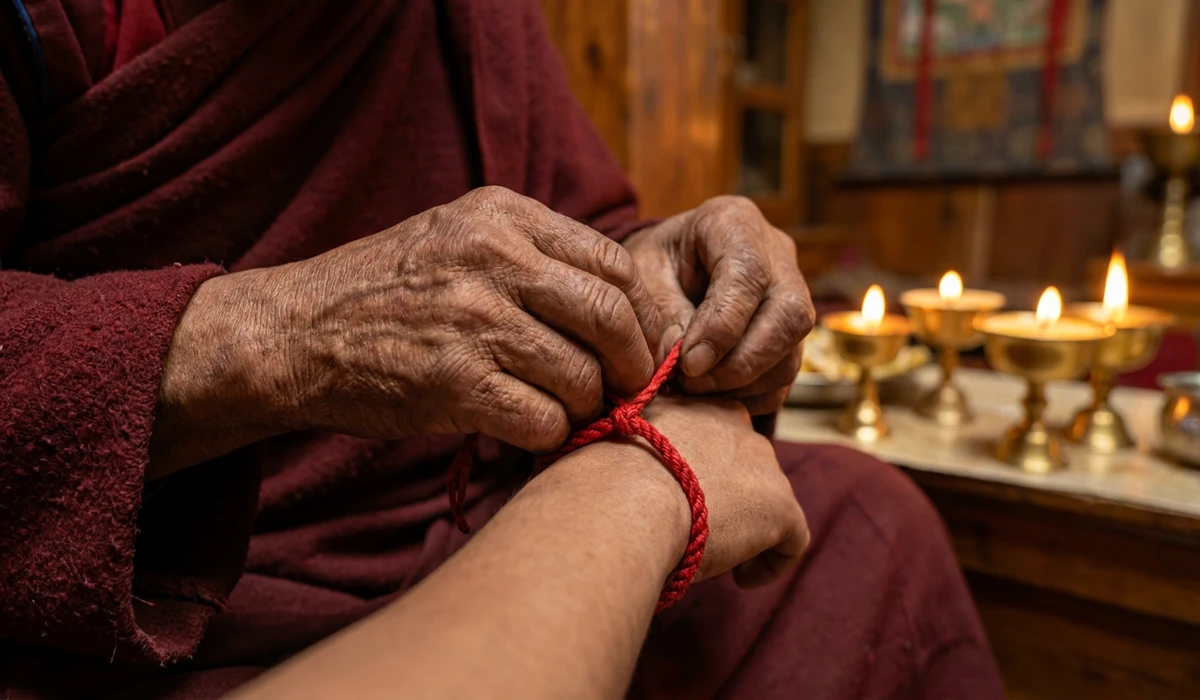
A authentic hand-knotted Tibetan thread bracelet is a sacred wristband tied by Buddhist monks or traditional practitioners during formal prayer sessions. Each individual knot is tied while continuously reciting sacred mantras, infusing the raw thread with concentrated spiritual focus and protective intent. The slow, rhythmic process transforms simple cotton or silk cords into powerful daily touchstones for mindfulness and inner stability.
Unlike mass-produced fashion items, every authentic piece carries the dedicated human energy and meditative state of the artisan who tied it. The intricate knotwork requires exceptional patience, reflecting years of practice within monastic communities high in the Himalayan regions. When worn around your wrist, the physical knots serve as constant tactile reminders of the calm mental state in which they were created.
Sacred Blessings & Monastic Origin
During monastic consecration rituals, monks tie the knots while focusing deeply on sacred mantras such as Om Mani Padme Hum, the universal mantra of compassion. These consecration ceremonies involve dedicated chanting, incense offerings, and visualizations that fill the threads with aspirations for safety, health, and wisdom. Historical records and resources from organizations like The Buddhist Society UK highlight how monastic communities have shared these blessings freely for centuries.
The blessings embedded in the cord are not designed to manipulate outcome or force good fortune through magic. Instead, they act as spiritual grounding tools that help individual wearers align their personal daily thoughts with universal goodwill. By wearing a cord that has received formal monastic prayers, you tie your personal energy to a long lineage of spiritual practice.
Basic Characteristics & Materials
Traditional Tibetan blessed bracelets are primarily crafted from durable woven cotton, silk thread, or natural fiber cordage that feels soft against the skin. They are frequently styled in vibrant red, grounding black, or multi-colored threads representing elemental forces. Many designs also integrate natural elements like wooden beads, copper spacers, or carved stones to enhance their visual and energetic properties.
These cords are designed to be lightweight, simple, and comfortable enough to wear continuously through work, sleep, and rest. They are intentionally created without heavy metal clasps, using adjustable sliding knotwork that fits comfortably on any wrist size. Their understated appearance allows wearers to carry a deep spiritual anchor discreetly throughout modern daily life.
Spiritual Meaning & Symbolism
Traditional Symbolism & Knotwork
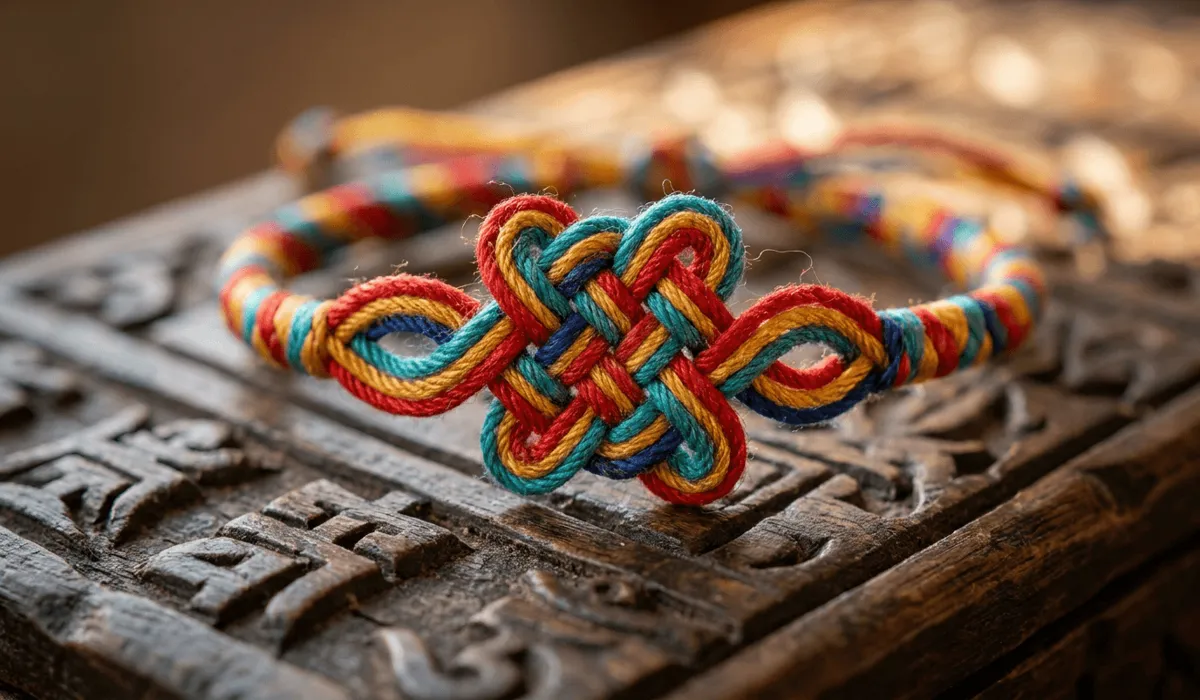
The core Tibetan blessed bracelet meaning centers on the deep spiritual concepts of interconnectedness, impermanence, and the universal law of cause and effect (karma). The knotting techniques often replicate the sacred Endless Knot, one of the Eight Auspicious Symbols of Himalayan philosophy. This geometric design represents the eternal union of wisdom and compassion, having no clear beginning and no definite end.
Wearing an Endless Knot cord reminds us that all actions, words, and thoughts ripple across the world to affect others. It serves as an external symbol of your internal commitment to personal growth, emotional maturity, and harm-reduction in daily interactions. Every time your eye catches the braided thread on your wrist, you are invited to return to the present moment with clarity.
Color Symbolism & Energy Associations
Colors carry profound metaphysical meaning within Himalayan culture, corresponding directly to elemental energies and internal states of consciousness. Choosing a color that resonates with your personal intentions allows you to direct your focus toward specific emotional and spiritual goals. Understanding these symbolic associations helps you pick the cord that best aligns with your current life journey.
The traditional color meanings used in Himalayan thread blessings include the following primary variations:
- Red Threads: Symbolize protective energy, life force energy such as Chi (气) or Prana, emotional warmth, and sacred spiritual passion.
- Multicolored Threads: Represent the Five Buddha Families and the primary natural elements (Earth, Water, Fire, Air, Space) to promote total internal balance.
- Black Cords: Associated with deep energetic grounding, clearing mental obstacles, absorbing chaotic external influences, and building quiet resilience.
For individuals interested in learning how physical items interact with subtle human subtle bodies, exploring our detailed guide on Crystal Meanings And Healing offers deeper context on spiritual energy work.
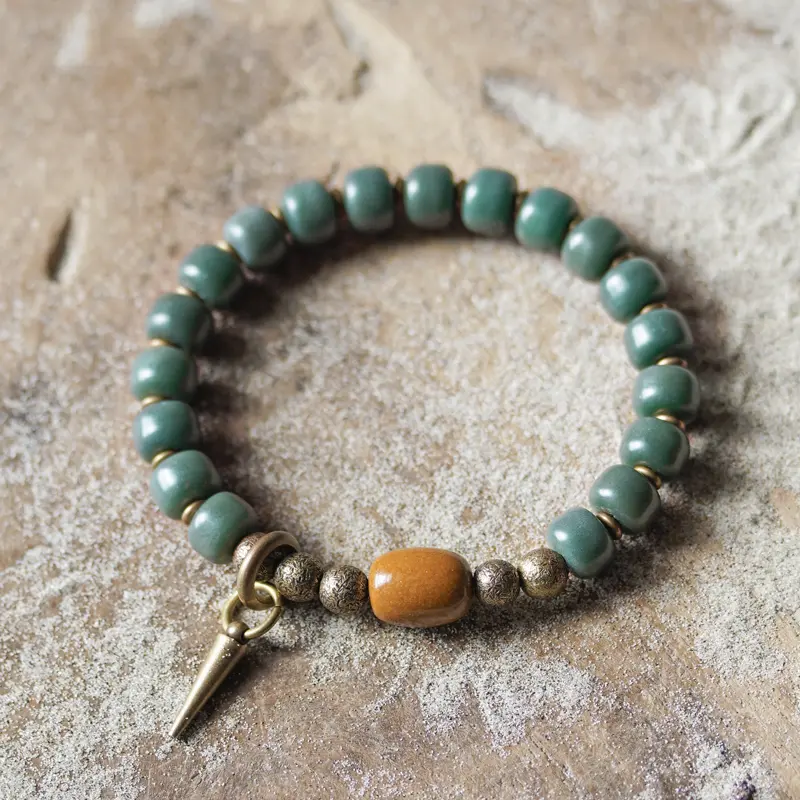
Bodhi Root Bracelet | Vintage Brass & Jade Bead | Spiritual Unisex Gift
Discover the Buddha Bodhis Bodhi Root Bracelet, blending authentic Bodhi root, Buddha Jade, and vintage brass. A handcrafted spiritual accessory, perfect for mindful souls seeking balance, protection, and authentic style. Ideal unisex gift.
💎 Material: Bodhi Root & Brass
🧘 Intention: Protection & Grounding
📏 Size: Adjustable (15cm – 18cm)
✋ Wear on: Right Hand (Recommended)
Cultural & Historical Context
Historically, Himalayan monasteries presented blessed threads and string ties to pilgrims, local villagers, and travelers visiting holy sites during festivals. These blessed cords were worn around the neck or wrist as sacred talismans to protect travelers on dangerous mountain passes. Receiving a knot cord was considered a high honor, signifying a shared bond of protection between the monastic sangha and the lay community.
In modern times, wearing these sacred cords allows people across the world to honor ancient Himalayan spiritual traditions with sincerity. Buddhist philosophy is inherently inclusive and non-dogmatic, prioritizing the relief of human suffering over exclusive religious membership. Because the tradition values compassion above all else, anyone who approaches these items with a clean heart is welcomed to share in their benefits.
Video source: YouTube
Author: J & A Travel Adventures
Original video link: https://www.youtube.com/watch?v=KzrvHE5gYzM
Benefits & Intentions Associated with Tibetan Blessed Bracelets
Commonly Associated Intentions
Many wearers seek out a Tibetan monk blessed bracelet to build a quiet sanctuary of peace within busy modern environments. The primary benefit reported by practitioners is a noticeable reduction in spiritual clutter and daily anxious thinking. The cord acts as a protective shield against heavy or disruptive emotional energies from surrounding crowds and stressful work situations.
Furthermore, these blessed items encourage emotional resilience, patience, and clear decision-making during times of unexpected challenge. By anchoring positive aspirations into the physical thread, wearers find it easier to respond to difficulties with grace rather than reactive frustration. Over time, the cord becomes a trusted companion that encourages gentle self-compassion and inner strength.
Mindfulness & Personal Practices
In our modern world filled with digital distractions, a hand-tied cord serves as an immediate physical anchor for present-moment awareness. When you feel overwhelmed or rushed, gently touching the woven knots with your fingers provides a grounding tactile sensation. This simple physical action prompts your mind to pause, take a deep breath, and reset your emotional nervous system.
Many people use their thread bracelets as active tools for personal growth and habit building. You might assign a specific personal virtue to your bracelet, such as speaking kindly, practicing patience, or remaining calm under pressure. Each time you notice the thread throughout the day, it reminds you to align your immediate actions with your highest values.
Tibetan Blessed Bracelets vs. Similar Spiritual Jewelry
To help you understand how traditional thread cords differ from other popular spiritual accessories, we have created a helpful comparison table. Reviewing these distinctions makes it easy to choose the right spiritual piece for your daily lifestyle and metaphysical needs.
| Jewelry Type | Primary Materials | Spiritual Origin | Core Purpose & Use |
|---|---|---|---|
| Tibetan Blessed Bracelet | Woven cotton or silk thread with continuous knotwork | Himalayan Buddhist Monasteries | Continuous spiritual protection, grounding, and personal mindfulness anchor |
| Gemstone Mala Bracelet | Natural stone beads (21, 27, or 108 count) with cord | Vedic & Buddhist Traditions | Counting repeated mantras during active meditation or breathwork practices |
| Kabbalah Red String | Simple red wool thread tied with seven knots | Jewish Mystical Tradition | Warding off the evil eye (Ayin Hara) and repelling negative energetic projections |
While gemstone malas rely heavily on natural mineral energy, thread bracelets draw their primary power from the human intention and monastic prayers woven into their knots. Standard gemstone testing and material evaluations conducted by authorities like the Gemological Institute of America analyze mineral structures, whereas blessed thread bracelets are valued primarily for their sacred ritual craftsmanship.
How to Wear a Tibetan Blessed Bracelet Respectfully
Left Hand vs. Right Hand Wearing Etiquette
In traditional Eastern energetic systems, the left side of the human body is recognized as the receiving channel for subtle spiritual energy. Wearing your blessed thread on the left wrist allows you to absorb the peaceful vibrations, protective blessings, and compassionate intentions tied into the knots. It helps cultivate inner calm, soothing restless thoughts and protecting your personal aura throughout the day.
Conversely, the right side of the body is considered the projecting channel, associated with giving, physical action, and energetic output. Choosing to wear the cord on your right wrist is ideal when your primary goal is to project kindness, strength, and active goodwill outward toward others. Both choices are completely valid, so select the wrist that aligns best with your immediate personal intention.
Essential Etiquette & Respectful Spiritual Practices
To honor the monastic traditions behind your cord, observe basic rules of sacred jewelry etiquette. Treat your bracelet with care and avoid placing it on dirty floors, shoes, or disrespectful surfaces when taking it off. Showing physical respect for a blessed item reflects your internal respect for the spiritual labor that created it.
It is good practice to remove your thread bracelet during activities where it might become heavily soiled or damaged by harsh chemicals. While normal everyday wear is encouraged, taking off the cord during unvirtuous actions or intense physical sports preserves both its physical integrity and energetic purity. Always keep your primary motivation rooted in self-improvement rather than viewing the string as a superstitious magic charm.
Intention-Setting Practices
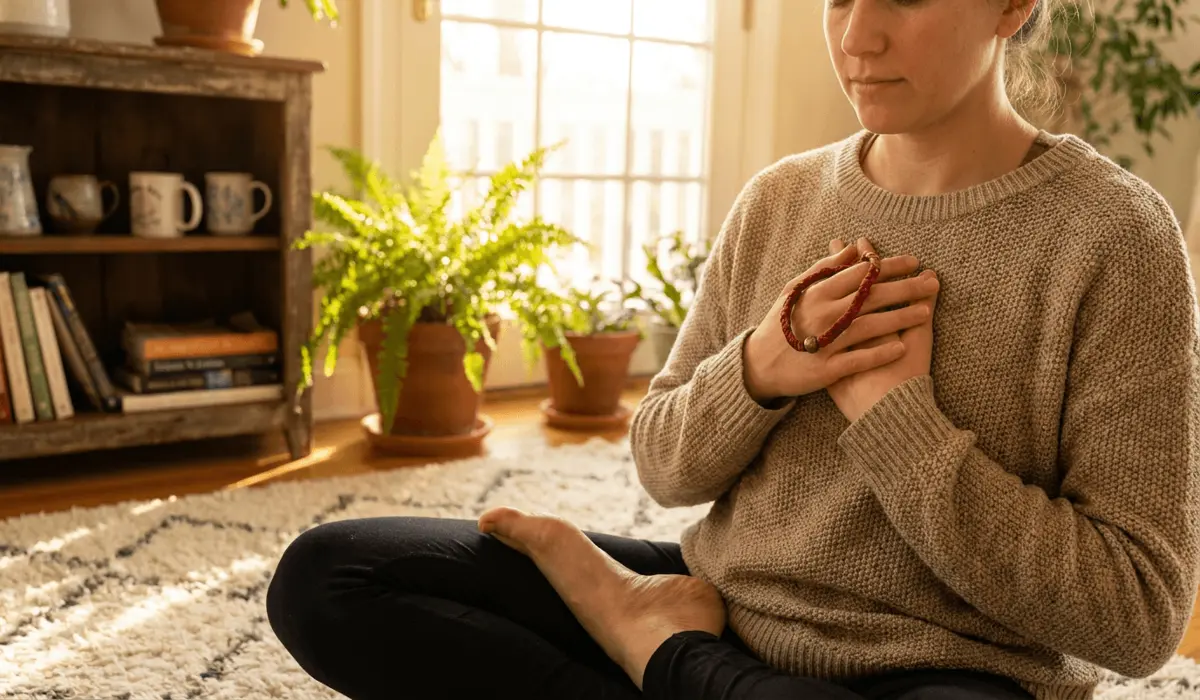
When you receive your blessed thread for the first time, take a quiet moment to perform a personal intention-setting ritual. Hold the woven cord gently between your palms, bring your hands together near your heart space, and close your eyes. Take three slow, deep breaths to clear your mind of daily rush and lingering stress.
Focus on a clean, positive aspiration that you wish to cultivate while wearing the cord, such as peace, patience, or protection. Mentally dedicate the energy of the bracelet to supporting your growth and benefiting those around you. You can find authentic, hand-tied options created by dedicated artisans within our sacred Tibetan Bracelet Collection to begin your personal practice.
Who Is a Tibetan Blessed Bracelet Suitable For?
Universal Inclusivity & Respectful Wearing
One of the most inspiring qualities of Himalayan spiritual tools is their complete universal inclusivity. Whether you identify as Christian, Jewish, Hindu, secular, or simply an open-minded spiritual seeker, you can wear a blessed cord with total confidence. The core values represented by the knots—love, peace, protection, and awareness—transcend all religious boundaries.
A non-Buddhist wearer who wears a blessed item with sincerity embodies authentic cultural appreciation rather than appropriation. Appropriation occurs when sacred items are used carelessly as meaningless fashion statements without regard for their history. By taking time to learn the meaning behind the thread, you build a bridge of cross-cultural respect and understanding.
Lifestyle & Energy Alignment
Blessed thread bracelets are especially suitable for individuals who practice yoga, daily meditation, or mindful living practices. They act as practical tools for staying grounded when navigating demanding professional careers or busy family schedules. Many people going through major life transitions, long-distance travel, or personal grief find great comfort in wearing a blessed cord.
These lightweight bracelets are also ideal for people who prefer subtle, understated jewelry over heavy metal pieces. Because they are soft, flexible, and comfortable, they fit seamlessly into active daily routines without catching on clothing. Their durable construction ensures that your spiritual anchor stays close to you wherever your path leads.
How to Cleanse, Charge, and Care for Tibetan Blessed Bracelets
Gentle Cleansing Methods
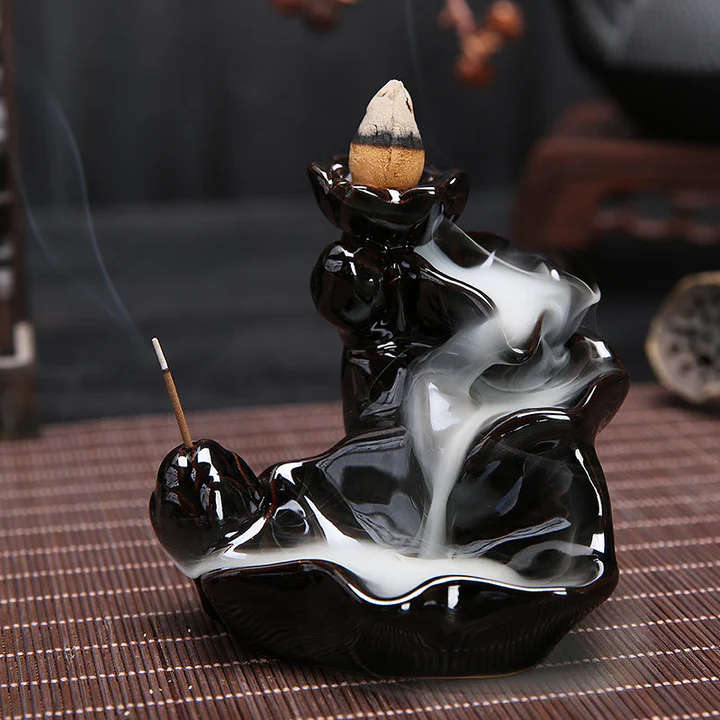
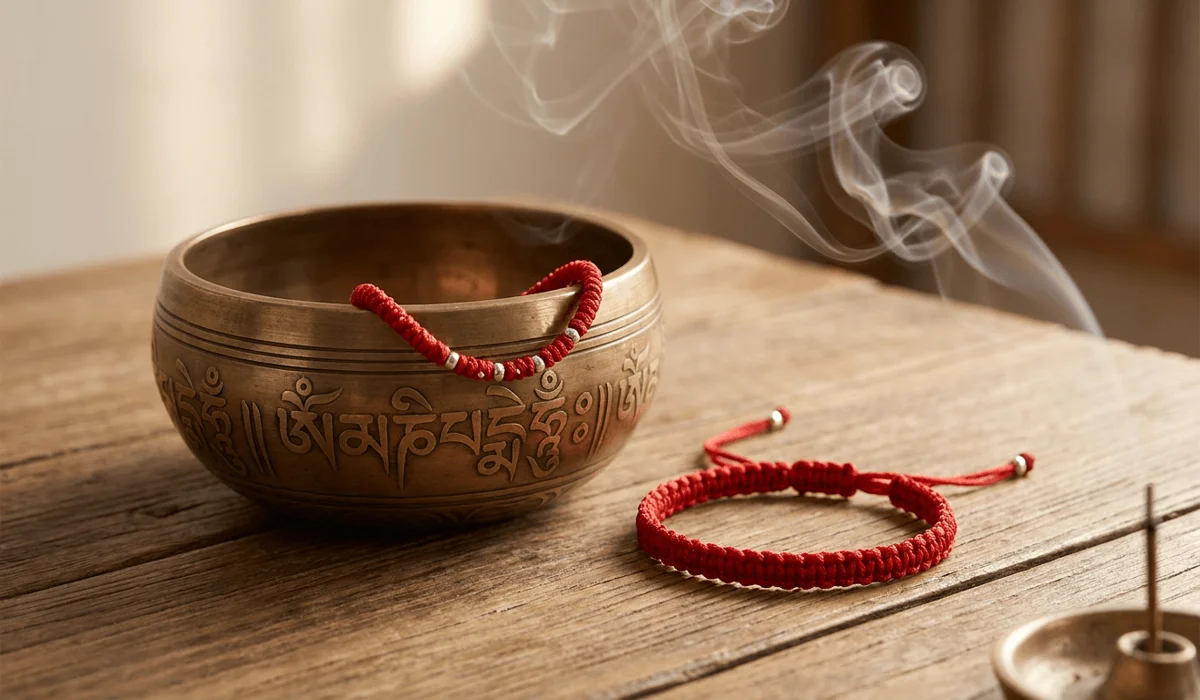
Over weeks and months of continuous wear, your thread bracelet will naturally absorb ambient static energies from your environment. To keep its spiritual resonance fresh and clear, perform gentle cleansing methods periodically. Passing the cord through sacred smoke from burning sandalwood, incense, or cedar is an ancient, effective way to clear accumulated energetic static.
Sound vibration is another effective way to refresh your blessed thread without risking physical damage to the fibers. Place your bracelet near a traditional Tibetan singing bowl or tingsha bells while ringing them softly for a few minutes. To learn more about protecting delicate material cords during daily routines, consult our comprehensive Tibetan Bracelet Water Safety Guide.
Charging Practices & Intention Renewal
Charging your blessed thread restores its subtle energetic vitality and reinforces your original personal intentions. Rest your bracelet on a clean surface under soft, indirect moonlight during a full moon night. The gentle lunar light clears away residual heaviness and revitalizes the natural cotton or silk cords.
You can also place your bracelet alongside clear quartz or selenite charging stones overnight to reset its energetic aura. Periodically sit in quiet reflection while touching the knots with your thumb to renew your commitment to personal peace. Professional gemological standards maintained by organizations like the Gemmological Association of Great Britain emphasize material preservation, which aligns perfectly with maintaining your sacred jewelry properly.
Daily Care & Natural Wear
When you are not wearing your bracelet, store it in a clean fabric pouch or on a designated elevated shelf. Avoid leaving it in damp bathrooms, on dirty countertops, or near messy areas. Treating your spiritual accessories with consistent daily care helps preserve their visual beauty and extends their physical lifespan.
In Himalayan spiritual philosophy, physical wear and fading are embraced as gentle lessons in impermanence (Anicca). If your thread bracelet eventually wears down and breaks naturally after months of faithful service, do not feel alarmed or saddened. In Tibetan culture, a breaking thread signifies that the bracelet has fulfilled its protective energy cycle, and the spent thread should be returned to nature respectfully by burying it in garden soil.
Frequently Asked Questions
Q: Is it respectful for non buddhists to wear tibetan blessed bracelets?
A: Yes, it is entirely respectful as long as the bracelet is worn with pure intentions, mindfulness, and cultural appreciation. Tibetan monks bless these thread cords with aspirations of universal peace, protection, and goodwill meant for all sentient beings regardless of religious affiliation.
Q: Can christians wear buddhist blessed bracelets?
A: Yes, Christians can comfortably wear these bracelets as practical symbols of peace, protection, and personal grounding. The knots carry universal human virtues like kindness and love that complement Christian beliefs without requiring any religious worship or conversion.
Q: Which wrist do you wear a Tibetan bracelet on?
A: Traditionally, the bracelet is worn on the left wrist because the left side is considered the receiving channel for energetic blessings. However, you may wear it on the right wrist if your primary intention is to project outward compassion, strength, and positive actions.
Q: Can I wear a Tibetan blessed bracelet if I belong to another religion?
A: Yes, Buddhist spiritual blessings are non-dogmatic and non-exclusive, welcoming people from all faith backgrounds to benefit from them. You do not need to alter your personal religious identity to wear a blessed thread cord with respect.
Q: What should I do if my Tibetan blessed bracelet breaks or wears out?
A: When a blessed thread breaks naturally over time, Tibetan culture views it as a positive sign that the cord has completed its protective cycle. Acknowledge the moment as a gentle lesson in impermanence and dispose of the thread respectfully by burying it in soil or burning it cleanly.
Conclusion & Gentle Next Step
“True spiritual protection comes not from a magic string, but from the mindfulness, compassion, and gentle awareness that the string inspires within your daily life.”
Non-Buddhists are warmly welcomed to wear authentic Tibetan blessed bracelets when done with positive intention, mindfulness, and respect. These hand-knotted thread cords carry timeless blessings of universal compassion, inner grounding, and energetic protection. Caring for your cord through proper etiquette transforms it into an empowering daily touchstone for your personal journey.
Disclaimer: The spiritual and energetic information provided in this article is intended solely for educational purposes, cultural appreciation, and historical context. Spiritual practices and metaphysical items are not intended to replace professional medical advice, legal guidance, or mental health treatment. If you are experiencing physical or psychological health concerns, please consult a qualified healthcare professional.

Written by the Buddha Bodhis Team
Since 2020, we have been devoted to exploring traditional year-based wisdom, classical Feng Shui principles, and the rich spiritual symbolism rooted in Eastern cultural heritage. Our work bridges ancient metaphysical systems with modern life, interpreting annual cycles, elemental energies, and symbolic meanings to offer thoughtful insight and practical guidance. Through continuous research and practice, we aim to preserve traditional knowledge while making it accessible, relevant, and meaningful for contemporary seekers of balance, intention, and personal growth.
TikTok | YouTube | Pinterest | X
buddhabodhis@gmail.com