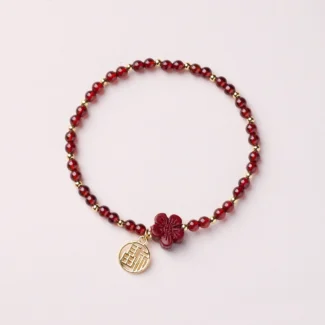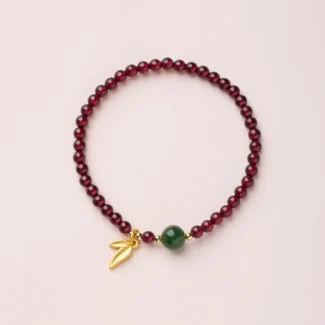


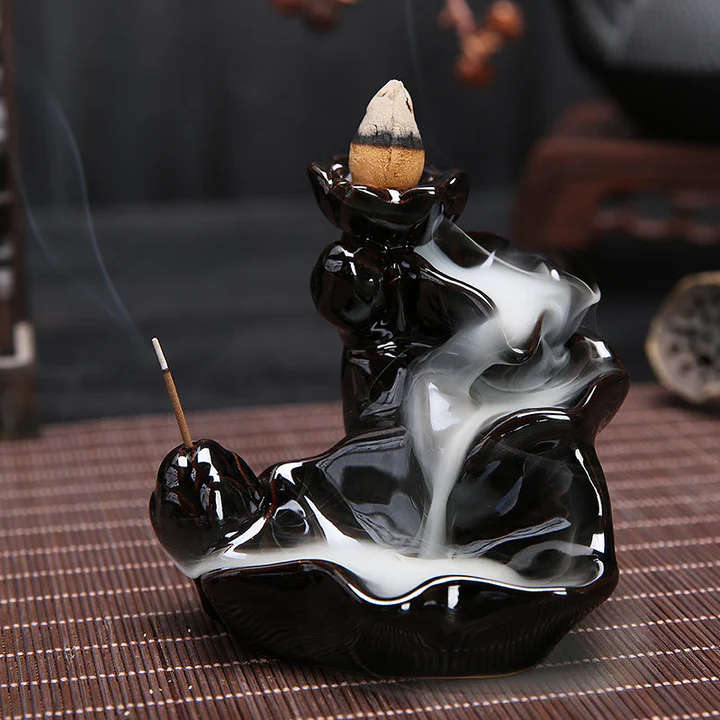


The Blue Lotus holds a timeless mystery that has touched seekers across thousands of years. In our cultural research at Buddha Bodhis, we see this blossom as a living guide for personal growth and inner vision. It calls us to rise above daily stress and remember our deeper spirit.
Many people know the blue water lily, scientifically named Nymphaea caerulea, for its quiet beauty. Yet sacred traditions never saw this flower as simple decoration. Instead, ancient sages viewed its daily cycle of opening and closing as a master map of the soul.
Today, our modern world feels fast and crowded with endless digital noise. By studying this sacred blossom, we can build a bridge between ancient spiritual wisdom and our everyday lives. It offers simple answers to our deepest questions about purpose and peace.
Quick Summary: The Essence of the Blue Lotus
🌸 Supreme Intuition: The flower reflects inner sight, clear knowing, and the victory of spirit over daily illusion.
🕉️ Ajna Energy: It links directly to the Third Eye center, connecting subconscious depth with high spiritual awareness.
☸️ Sacred Traditions: Revered in Egyptian temples and Vajrayana Buddhism, it symbolizes non-dual wisdom and continuous awakening.

Ancient Origins and Sacred Legends of the Water Lily
Our study of sacred botanicals begins along the fertile banks of the Nile and in the high plateaus of Asia. Ancient Egyptian Mystery Schools, Vedic philosophy, and Tibetan Buddhism each cherished the water lily as a holy teacher. In each culture, the bloom showed how the human mind can rise toward divine truth.
The Primordial Emergence in Egyptian Mystery Schools
In ancient Egyptian cosmogony, the sun deity Nefertem emerged from the primordial waters of Nun nestled inside a radiant Blue Lotus, bringing divine light to banish universal darkness. The sun god Ra was said to rise from its petals each morning. This sweet-smelling flower proved to early seekers that light always triumphs over dark waters.
Because the blossom opens at dawn and sinks below the surface at dusk, temple priests saw it as a cosmic clock. They honored this rhythm as proof of daily cosmic renewal. The opening petals mirrored the sun moving across the sky.
Temple walls along the Nile often depict initiates holding the flower close to their noses to breathe in its divine scent. Priests and priestesses used it during sacred ceremonies to quiet the restless mind and welcome visionary dreams. You can study these temple scenes in Classical Egyptian Mythology to see how deeply the plant shaped royal rituals.
In funerary texts like the Book of the Dead, Spell 81A gives prayers for transforming into a sacred lotus. The ancient initiates believed the soul could blossom after death just like this aquatic flower. Through this botanical metaphor, death was not an end, but a fresh morning bloom.
Video source: YouTube
Author: The Mystical Polymath
Original video link: https://www.youtube.com/watch?v=DpdfsgiDo8w
The ancient Nile rituals remind us that spiritual rebirth is an ongoing daily choice.
The Vedic and Tantric Foundations
Traveling eastward into India, we find the lotus deeply woven into early yogic science. Vedic thinkers viewed the human body as an energetic garden with channels and subtle centers. The lotus flower became the central symbol for these turning energy hubs along the spine.
Ancient yogis taught that dormant inner power rests at the base of the spine like a sleeping seed. Through steady breath and contemplation, this force moves upward toward the brow. The cool blue bloom represents the refined vision that emerges when energy reaches higher awareness.
Vedic masters also pointed to the physical leaves of the plant to teach non-attachment. Even though the lotus grows in dirty mud, water drops slide off its waxy leaves without leaving a spot. In the same way, a wise person lives in the busy world without letting greed or sorrow stick to the spirit.
Ancient sages described this natural resistance as the ultimate model for inner peace and mental balance.
Vajrayana Iconography: The Utpala of Wisdom and Compassion
In Tibetan Buddhism, the blue water lily is called the Utpala lotus. This flower holds a special place in sacred art and meditation practices. It is usually painted with deep indigo petals and slender stems that convey quiet strength.
In Buddhist iconology, the Utpala is held by Bodhisattva Manjushri and Green Tara, perpetually semi-closed to signify that the dawn of transcendent wisdom is an ever-unfolding spiritual awakening. Manjushri carries the sword of truth alongside this blossom to show that clear thinking cuts through ignorance. The flower reminds us that real wisdom must always be soft and gentle.
Green Tara, the mother of swift protection, holds the long stem of the semi-opened bloom near her heart. Her posture shows that she is ready to help anyone who calls on her. The half-bloomed petals prove that her compassion is active and never distant.
Why is the Utpala drawn partly closed rather than wide open? Tibetan masters explain that full enlightenment is not a fixed goal that you reach and finish. Instead, spiritual growth is an endless unfolding of joy, awareness, and care for all beings.
The sacred Utpala reminds us that true wisdom grows quietly with every mindful breath we take.

The Hidden Philosophy: Decoding the Sacred Symbolism
When we look past the myths, the blue water lily presents a complete philosophy for living. It shows us how to handle human struggles without losing our inner spark. We find three clear lessons hidden within its roots, stem, and petals.
The Alchemy of the Three Realms
Every blossom begins in dark silt at the floor of a pond. This bottom layer represents the dense material world, raw survival drives, and human pain. Without the rich nutrients in that dark soil, the plant could never build the strength to climb upward.
Next, the slender green stem rises through murky water. This middle stage represents our emotional life, mental doubts, and worldly duties. The stem bends with underwater currents, showing us how to stay flexible during hard times.
Finally, the bud pierces the water surface to greet the open air and warm sunlight. This final breakthrough mirrors the mind waking up from confusion into pure clarity. The bloom stays clean, showing that our pure nature was never harmed by the mud below.
The three realms prove that we do not need to run away from life to find inner peace.
The Sacred Anatomy of the Utpala
The visual structure of the blossom holds profound metaphysical lessons for curious seekers. Every single curve of the petal speaks directly to our subtle senses. We can break down this sacred pattern into three key parts:
- 🌸 Semi-Unfolded Petals: The partially open layers show that inner vision reveals itself step by step as we let go of ego.
- 🧿 Indigo Color Spectrum: The cool violet and blue shades calm fiery anger and bring deep mental stillness.
- ☸️ Unseen Central Core: The hidden golden center holds the pure seed of cosmic potential waiting to sprout.
These natural elements remind us that our true spiritual core is already whole and peaceful.

Non-Duality and the Victory Over Senses
In Eastern philosophy, the highest goal is realizing non-duality, or the oneness of all life. The core philosophy of the Blue Lotus represents the ultimate triumph of spirit over sensory distraction, unlocking non-dual wisdom, known as Prajñā, and higher intuitive consciousness while remaining rooted yet unstained by mundane existence. When we see the world through this lens, we stop fighting reality.
The blossom teaches us detached engagement. You can work hard at your job, care for your family, and enjoy good food without becoming enslaved by attachments. Like the blossom floating on water, you touch the world without drowning in it.
This attitude also clears away mental fog during waking hours and restful sleep. By observing our thoughts without judgment, we gain clear insight into our habits. We move through life with grace rather than quick emotional reactions.
Key Insight on Spiritual Discernment
The blue blossom teaches us that life challenges are not obstacles to our growth. The thick mud of daily work, heartaches, and stress is the exact soil we need to cultivate genuine compassion and deep intuitive clarity.
Cultural Comparison: Sacred Meanings Across Civilizations
Different cultures developed unique ways to understand the blue water lily over centuries. While Egyptian priests focused on the sun and life after death, Asian masters looked at mind training. Modern Western seekers now view it as a mirror for inner psychology.
| Tradition | Primary Deity or Figure | Core Symbolic Theme | Energetic Focus |
|---|---|---|---|
| Egyptian Mystery Schools | Nefertem & Ra | Solar rebirth and resurrection | Cosmic life-force (Sekhem) |
| Vedic Philosophy | Saraswati & Yogic Seers | Chakra evolution and non-attachment | Subtle energy (Prana) |
| Tibetan Buddhism | Manjushri & Green Tara | Transcendent wisdom (Prajñā) | Mind purification (Bodhi) |
| Modern Metaphysics | The Higher Self | Intuition and digital balance | Third Eye (Ajna) balance |
Examining these diverse viewpoints shows that humanity has always shared a longing for sacred light.
The Nilotic Mystery Tradition
In the Nile valley, sacred plants connected humans with cosmic rhythms. Ancient healers believed the blue water lily held the life-force of the sun. They called this vitality Sekhem and celebrated it in seasonal festivals.
The plant served as a bridge to communicate with unseen helpers and ancestors. Scent was considered an invisible prayer that rose directly to the heavens. You can read broader context in Ancient World History about how sacred plants anchored daily Egyptian temple worship.
For these early priests, physical health and spiritual vision were always intertwined. They saw botanical medicine as divine care for both body and soul.
Their deep reverence for nature shows that every flower carries a living pulse of divine wisdom.

The Indo-Tibetan Dharmic Stream
In contrast, the Asian traditions developed an internal, psychological path. Indian and Tibetan thinkers used the blossom to understand how human consciousness works. Their goal was freeing the mind from confusion and negative emotions.
Monks sat in deep meditation, visualizing the petals unfolding inside their heart and forehead. They used this image to direct the breath and clear restless thoughts. The blue hue reminded practitioners to stay cool, patient, and humble during long retreats.
Over centuries, this practice helped yogis cultivate radical discernment over worldly illusions. They learned to see things as they truly are rather than how personal desires color them.
By turning attention inward, these practitioners discovered an inexhaustible spring of joy and quiet strength.
Contemporary Western Metaphysical Integration
In recent years, Western thinkers and psychologists have rediscovered this ancient botanical motif. Carl Jung and his followers described the lotus as an archetype of the integrated self. The plant shows the difficult path of uniting our subconscious shadows with conscious light.
People today face heavy mental fatigue from constant phone notifications and bright screens. The blue water lily offers a gentle return to nature and spiritual roots. It acts as an energetic refuge from our fast-paced material world.
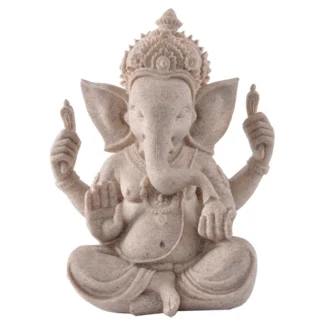
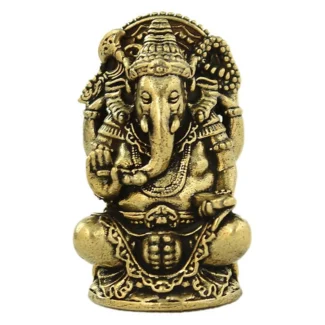
Many wellness seekers now place artistic carvings of the flower in their quiet corners or sacred spaces. This practice aligns with classical Feng Shui Principles for creating harmony and calming restless rooms.
Modern life becomes far richer when we blend ancient symbolic archetypes with daily mindfulness.
Wearing the Sacred Talisman: Modern Mindfulness and Grounding
Why do so many thoughtful people choose to wear sacred plant jewelry in our modern era? At Buddha Bodhis, we believe a physical talisman is far more than a decorative accessory. It serves as an everyday anchor that keeps our focus centered on what truly matters.
An Energetic Antidote to Digital Burnout
Modern screens demand our attention every minute of the day. This constant stimulation overworks our nervous system and scatters our focus. We end up feeling tired, tense, and disconnected from our inner voice.
The cooling blue energy of the sacred water lily offers a natural reset. Looking at or touching a carved blossom reminds our body to take a slow, deep breath. It cools the heat of mental exhaustion and quiets racing thoughts.
Just as ancient initiates sought stillness in temple water gardens, we can find calm in our own workspace. A simple symbolic reminder helps us pause before reacting to stressful emails or chaotic news.
Choosing quiet reflection over impulsive reactions is the first step toward lasting peace of mind.
A Physical Anchor for Mindful Presence
Touching a silver pendant or stone bead creates a moment of mindful sensory grounding. Whenever your hand brushes your talisman during a busy meeting, it calls you back to the present moment. You remember that external chaos does not have to disturb your core.
This physical contact redirects scattered energy back toward your brow center. It strengthens your intuitive compass so you can make decisions with calm confidence. You begin to embody the lotus virtue of staying unstained by office gossip or family stress.
In classical symbolism, different animals and plants work together to bring harmony. Many collectors pair botanical talismans with pieces like a Tiger Eye Pixiu Bracelet to combine intuitive clarity with steady courage and grounded strength.
Carrying sacred symbols reminds us that we can walk through busy crowds while keeping an altar in our hearts.

Natural 10mm Tiger Eye Quad-Pixiu Bracelet | Four Directions Wealth & Confidence Shield
Awaken the golden gaze of success. A 360-degree fortress for your prosperity.
The Natural Tiger Eye Quad-Pixiu Bracelet is a high-vibration tool engineered for those who seek to dominate their professional field. Crafted from 10mm Golden Tiger Eye—the legendary stone of courage—this piece activates the Solar Plexus Chakra, providing the mental clarity and willpower needed to manifest your largest goals.
Featuring four hand-finished Golden Pixiu charms, this design creates a rare “Wealth Net,” symbolizing the capture of luck from every direction. Whether you are navigating a New Business Venture or seeking Protection from financial volatility, this 0.39-inch beaded amulet grounds your ambition in the Earth Element, ensuring your abundance is both attracted and retained.
- 🐅 Stone: Natural Golden Tiger Eye (Confidence & Clarity)
- 🦁 Symbol: Quad-Pixiu Formation (Universal Luck & Protection)
- 📐 Size: Substantial 10mm Beads (Strong Masculine/Unisex Feel)
- ✋ Wear on: Left Hand to invite financial momentum
Rituals and Practices: Meditating with the Blue Lotus
Working with sacred symbols becomes much more powerful when you practice intentional meditation. You do not need hours of free time or elaborate tools to begin. A few quiet moments each day will help awaken your intuitive vision.
The Ajna Activation Visualization
Begin by sitting comfortably with your back tall and relaxed. Rest your hands gently on your knees and close your eyes. Allow your natural breath to become smooth, slow, and quiet.
Imagine the space behind your forehead as a peaceful night sky filled with soft indigo light. In the center of this calm space rests an elegant Utpala lotus bud. With every slow inhale, imagine one petal gently unfolding into the cool air.
Next, visualize a warm golden ray of sunlight descending from above your head into the heart of the flower. The gold light fuses with the deep blue petals, filling your brow with clarity. Rest in this warm, radiant space for several quiet minutes before opening your eyes.
Regular visualization practice sharpens your natural instinct and helps you see life choices clearly.
Breathwork and Somatic Integration
You can deepen your meditation by adding conscious breathwork. As you inhale, imagine drawing in the legendary sweet fragrance of the sacred Nile blossom. Feel this cool mental perfume washing away eye strain, neck tension, and headache pressure.
Hold the air gently for two or three seconds at the top of your inhale. In that still moment, rest in the quiet center of the half-opened blossom. Feel your heart rate slow down as peace fills your chest.
As you exhale slowly through your mouth, imagine blowing out gray smoke. Let go of hurry, self-doubt, and mental clutter. Repeat this rhythm five times until your mind feels clear, open, and still.
This simple breathing exercise restores balance to an exhausted nervous system within minutes.

Nocturnal Incubation and Lucid Dreaming
For thousands of years, temple students used the blue water lily to explore their dreams. You can invite this nocturnal wisdom into your sleep space today. Place your symbolic pendant or a clean drawing of the blossom near your pillow.
Before you drift off to sleep, set a clear intention in your mind. Whisper quietly: “Tonight my mind rests in stillness, and my dreams reveal clear truth.” This simple affirmation directs your subconscious mind toward peaceful self-reflection.
Keep a journal beside your bed to write down any dreams or morning insights. Over time, you will notice patterns that offer gentle guidance for waking life.
Honoring your nighttime dreams builds a supportive bridge between your subconscious mind and daytime thoughts.
Cultural Etiquette, Taboos, and Mindful Living
When we adopt ancient sacred symbols, we must treat them with genuine honor and cultural care. The blue water lily is not a disposable fashion fad. It carries the spiritual prayers of generations of Egyptian priests, Indian yogis, and Tibetan masters.
Avoid placing sacred talismans on dirty floors, near bathroom sinks, or in messy piles. When you take off your jewelry at night, place it on a clean wooden stand, a silk cloth, or a dedicated altar table. This simple habit keeps your home environment mindful and respectful.
Similar principles apply when placing sacred figures around your home, as explained in our guide on Feng Shui Elephant Symbolism for attracting grounded blessings. Treating meaningful objects with care creates a peaceful atmosphere throughout your living space.
Most importantly, remember that no talisman works by mechanical magic or passive superstition. The jewelry works by reflecting your own sincere intentions. Let your honest speech, generous acts, and kind thoughts match the immaculate purity of the bloom.
Core Reminder on Symbolic Respect
A sacred symbol is an invitation to walk with personal integrity. When our outer actions align with the pure elegance of the lotus, we honor the ancient masters who preserved this wisdom for our benefit.
Four Practical Steps to Integrate Lotus Wisdom into Daily Life
Here are four simple, grounded practices our team recommends to bring this timeless botanical teaching into your daily routine:
- 🌸 Morning Intention Setting: Spend two minutes at sunrise picturing the blue petals opening, choosing to stay calm through all daily tasks.
- 🧿 Tactile Midday Reset: Whenever you feel stressed, touch your lotus pendant or ring to take three slow, calming breaths.
- ☸️ Sacred Space Care: Store your symbolic jewelry on a clean wooden tray or soft cloth away from clutter and noise.
- 🕉️ Evening Gratitude Release: Before bed, let go of any anger or mistakes from the day, remembering that tomorrow is a fresh rebirth.
Frequently Asked Questions
Q: What does the blue lotus symbolize in spiritual awakening and intuition?
A: The blue lotus represents the awakening of inner vision, spiritual rebirth, and the victory of higher awareness over sensory distractions. It shows how the human spirit can rise out of life difficulties and bloom into clear wisdom without carrying any stains from the mud below.
Q: Why is the blue lotus specifically linked to the third eye and higher consciousness?
A: The deep blue and violet colors of the flower match the energetic frequency of the brow center, also known as the Ajna chakra. This energy point governs intuition, mental clarity, and spiritual sight, making the blossom a natural symbol for opening the mind beyond everyday illusion.
Q: What is the difference in spiritual meaning between the blue lotus and pink lotus?
A: The pink lotus is traditionally linked to universal love, heart purity, and the historical Buddha. In contrast, the blue lotus focuses on discriminating intellect, esoteric mystery, intuitive insight, and the continuous unfolding of spiritual wisdom.
Q: Which Buddhist deities are depicted with the blue lotus, and what do they signify?
A: Bodhisattva Manjushri holds the blue Utpala to support the sacred book of wisdom, showing that clear truth cuts through confusion. Green Tara carries the half-opened blossom near her heart to represent swift compassion, active protection, and constant spiritual alertness.
Q: How does blue lotus symbolism counter digital overstimulation and cognitive burnout?
A: The cooling indigo imagery of the flower serves as a calming mental buffer against constant screen notifications and information overload. Wearing or meditating on the symbol reminds you to pause, breathe, and keep an untouchable center of peace amidst modern noise.
Conclusion: Walking the Path of Unfolding Wisdom
The sacred journey of the Blue Lotus is not an escape from our busy everyday world. True spiritual awakening happens right in the middle of our routines, family duties, and personal challenges. By understanding this ancient flower, we learn to honor the mud of daily life as the rich soil that feeds our growth.
We do not have to become perfect before we can experience inner stillness. Like the sacred Utpala, our hearts and minds can open petal by petal, at our own natural speed. Each small act of patience, kindness, and mindfulness brings our inner bloom closer to the light.
We invite you to bring this ancestral peace into your personal journey with our handcrafted Sacred Lotus Jewelry designed for daily presence. May your life stay rooted in steady strength and bloom with everlasting clarity.
Disclaimer: This article is published solely for educational, cultural, and spiritual exploration purposes. The symbolic concepts, historical traditions, and philosophical perspectives discussed here do not constitute medical, psychological, legal, or financial advice. Readers should always consult certified healthcare providers and qualified professionals regarding personal health concerns or medical conditions.

Written by the Buddha Bodhis Team
Since 2020, we have been devoted to exploring traditional year-based wisdom, classical Feng Shui principles, and the rich spiritual symbolism rooted in Eastern cultural heritage. Our work bridges ancient metaphysical systems with modern life, interpreting annual cycles, elemental energies, and symbolic meanings to offer thoughtful insight and practical guidance. Through continuous research and practice, we aim to preserve traditional knowledge while making it accessible, relevant, and meaningful for contemporary seekers of balance, intention, and personal growth.
TikTok | YouTube | Pinterest | X
buddhabodhis@gmail.com