



In a world that constantly pushes for flawless perfection, endless upgrades, and polished appearances, a quiet and profound philosophy from Japan offers a refreshing alternative. It’s called Wabi Sabi philosophy, a worldview centered on the acceptance of transience and the beauty of imperfection. It’s not just an aesthetic principle but a way of life that invites us to slow down, appreciate the natural world, and find profound beauty in the humble and the flawed. This journey into Wabi Sabi is a path to a more authentic, peaceful, and mindful existence.
Table of Contents
What Exactly is the Wabi Sabi Philosophy?
The term can be challenging to translate directly, as it’s a feeling and an intuition more than a rigid definition. It is composed of two separate but interconnected concepts:
- 🌿 Wabi : Originally referring to the loneliness of living in nature, away from society, “wabi” has evolved to connote rustic simplicity, freshness, or quietness. It can be applied to both natural and man-made objects, celebrating an understated elegance that is unburdened by materialism. It’s about finding satisfaction in simplicity.
- ✨ Sabi : This refers to the beauty or serenity that comes with age, when an object’s life and its impermanence are evidenced in its patina, wear, or any visible repairs. It’s the appreciation for the marks that time, weather, and loving use leave behind.
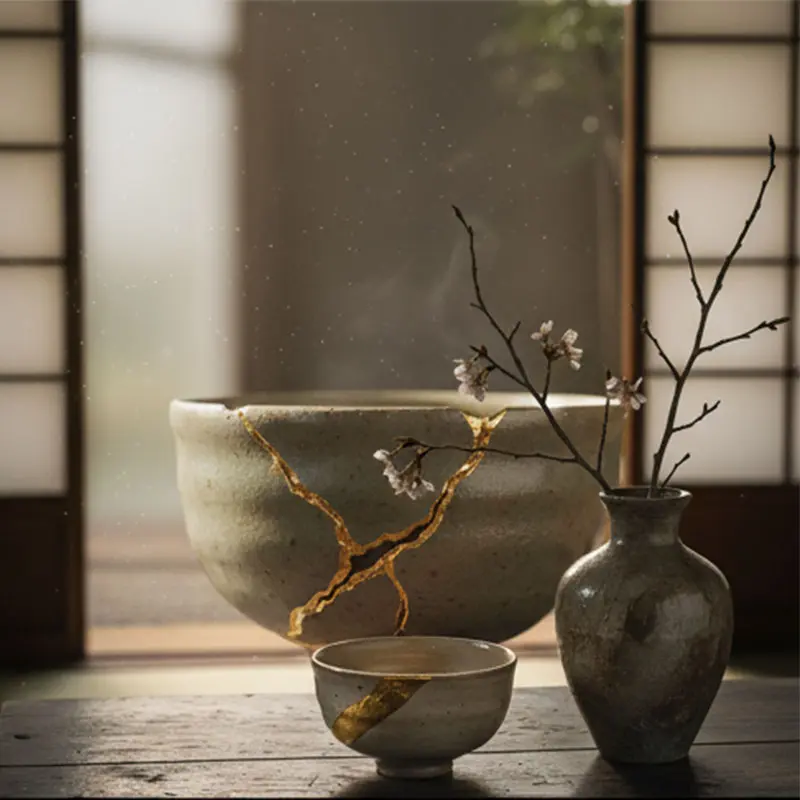
When combined, Wabi Sabi philosophy is the art of finding imperfect beauty. It is a profound acceptance of the natural cycle of growth, decay, and death. It’s the crack in a ceramic bowl, the tarnish on a silver bracelet, or the moss growing on a stone path. These are not flaws to be hidden but testaments to a rich history, character, and authenticity.
The Core Principles of Wabi Sabi
To truly understand this philosophy, it’s helpful to look at its guiding principles, which are deeply rooted in the teachings of Zen Buddhism. As detailed in the Stanford Encyclopedia of Philosophy’s entry on Japanese Aesthetics, Buddhist thought profoundly shapes these concepts. The core tenets of Wabi Sabi invite us to appreciate:
- ⚖️ Asymmetry (Fukinsei): Nature is rarely symmetrical. Wabi Sabi embraces irregularity and imbalance, finding a dynamic and engaging beauty in forms that are not perfectly mirrored.
- 🍃 Simplicity (Kanso): This is an emphasis on clarity and the elimination of clutter. It’s about focusing on the essential nature of things, stripping away the non-essential to reveal the true character.
- 💎 Austerity (Koko): This principle values restraint and the absence of ornament. It speaks to a mature, stark beauty that is both severe and appealing, like a bare tree in winter.
- 🌱 Naturalness (Shizen): Wabi Sabi champions a raw, unforced state. It avoids artificiality and pretense, celebrating materials and forms in their most organic state. This is a core value at Buddha Bodhis, where we often use natural stones and metals that tell their own story.
- 🌟 Subtle Grace (Yugen): This refers to a profound, mysterious, and deep beauty that isn’t obvious at first glance. It suggests more than it reveals, leaving room for imagination and contemplation.
- 🕊️ Freedom from Convention (Datsuzoku): This is about breaking free from rigid rules and expectations. It encourages creativity and individuality, allowing for a beauty that is surprising and unique.
- 🧘 Tranquility (Seijaku): In a noisy world, Wabi Sabi seeks a state of energized calm and solitude. It’s the feeling of peace you might experience in a quiet forest or during a silent meditation.
How to Cultivate a Wabi Sabi Mindset in Your Life
Embracing the Wabi Sabi philosophy doesn’t require a dramatic life overhaul. It’s about small shifts in perspective and daily habits.
- 🏠 Decorate with Intention: Instead of striving for a showroom-perfect home, choose items that have personal meaning. Display a handcrafted mug with a slight imperfection, a piece of weathered driftwood, or a well-loved piece of furniture. Let your home tell a story of your life, not of a catalog.
- 🍂 Appreciate the Seasons: Pay attention to the changing seasons as a tangible reminder of life’s impermanent nature. Notice the beauty in falling leaves, melting snow, and wilting flowers. This acceptance of cycles is central to Japanese aesthetics.
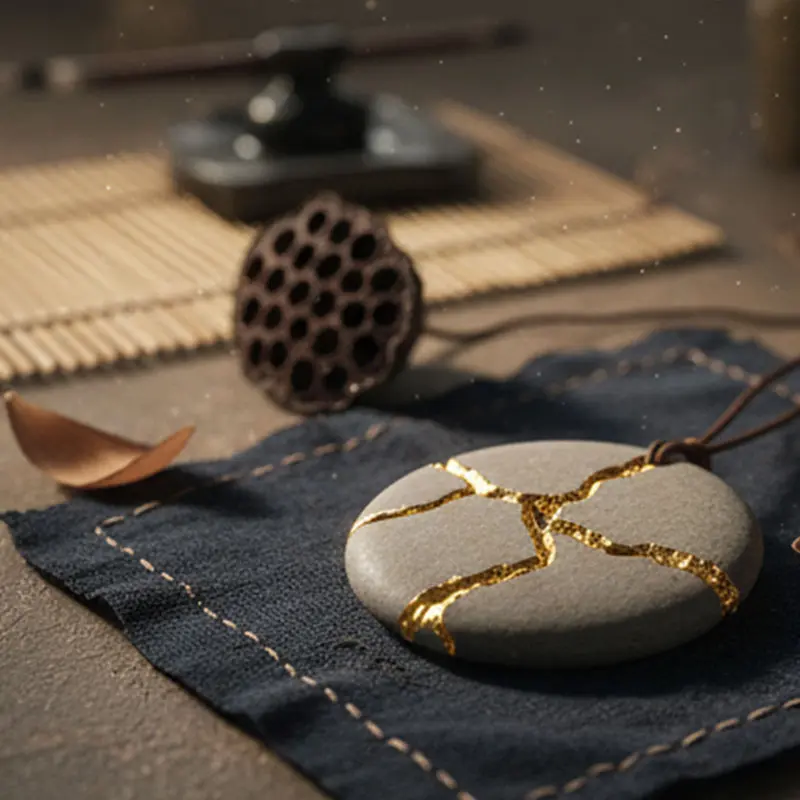
- ♻️ Practice Mindful Consumption: Before buying something new, ask yourself if it’s truly necessary. Can you repair something you already own? Wabi Sabi encourages us to value longevity and to see the beauty in repaired items. This is perfectly exemplified by Kintsugi, the art of mending broken pottery with gold lacquer. This practice beautifully highlights an object’s history of damage and repair, as showcased by The Metropolitan Museum of Art.
- 💖 Embrace Your Own Imperfections: This philosophy extends to self-acceptance. Instead of chasing an unattainable ideal of perfection, learn to appreciate your unique quirks, scars, and experiences. They are part of your story and contribute to your unique beauty.
- 📿 Choose Meaningful Adornments: The jewelry you wear can be a powerful daily reminder of your values. An accessory doesn’t need to be flashy or flawless to be beautiful. The pieces from Buddha Bodhis are crafted with this spirit in mind. The subtle variations in a natural gemstone or the unique texture of a hand-hammered metal surface are not defects; they are the marks of authenticity and the very essence of Wabi Sabi philosophy.
By integrating these small practices, you invite a sense of peace and gratitude into your daily life. You start to see the world not as a series of problems to be solved or flaws to be fixed, but as a vast tapestry of transient, imperfect beauty.
Conclusion: The Enduring Beauty of the Incomplete
The Wabi Sabi philosophy is a gentle rebellion against the modern world’s obsession with perfection. It is a calming balm for the soul, reminding us that there is profound grace in humility, authenticity, and the passage of time. It teaches us that our homes, our possessions, and our very selves are more beautiful not in spite of their imperfections, but because of them. Embracing this view allows us to live with greater mindfulness, gratitude, and a deep sense of peace with the world just as it is.
Frequently Asked Questions (FAQ)
1. What is the main idea of Wabi Sabi?
The main idea is to find and appreciate beauty in things that are imperfect, impermanent, and incomplete. It’s a worldview rooted in accepting the natural cycle of life and decay.
2. Is Wabi Sabi a type of minimalism?
While both philosophies value simplicity, they are different. Minimalism focuses on stripping down to the bare essentials for a clean, uncluttered aesthetic. Wabi Sabi also values simplicity but places a strong emphasis on the beauty of age, wear, and natural imperfection, which can include more texture and a sense of history.
3. How is Wabi Sabi related to Zen Buddhism?
Wabi Sabi philosophy has deep roots in Zen Buddhism, particularly its emphasis on mindfulness, the acceptance of reality as it is, and the three marks of existence: impermanence (mujō), suffering (ku), and emptiness or absence of self-nature (kū).
4. Can I apply Wabi Sabi to my fashion and style?
Absolutely. This involves choosing clothes made from natural, high-quality materials that age well, embracing a more neutral and earthy color palette, and valuing comfort and authenticity over fleeting trends. It’s also about choosing handcrafted jewelry that shows the mark of the maker.
5. What is Kintsugi and how does it relate to Wabi Sabi?
Kintsugi is the Japanese art of repairing broken pottery with lacquer dusted or mixed with powdered gold, silver, or platinum. It relates directly to Wabi Sabi by highlighting the cracks and repairs as a celebrated part of the object’s history, rather than something to hide.
6. How can Wabi Sabi improve my mental well-being?
By encouraging self-acceptance and reducing the pressure to be perfect, Wabi Sabi can significantly lower stress and anxiety. It promotes gratitude for what you have and helps you find peace in the present moment.
7. What are some colors associated with Wabi Sabi?
The Wabi Sabi color palette is drawn from nature. Think of earthy tones like browns, grays, greens, and beige, as well as the muted colors of stone, wood, and rusted metal.
8. Is Wabi Sabi only about old things?
Not necessarily. While it appreciates the beauty of age (sabi), it also values rustic simplicity (wabi) in new things. The key is that the object, whether new or old, should feel authentic, natural, and unpretentious.
9. How does Buddha Bodhis incorporate Wabi Sabi?
Buddha Bodhis incorporates this philosophy by creating jewelry that celebrates natural materials, handcrafted techniques, and unique, imperfect forms. Each piece is designed to be a mindful talisman that connects the wearer to the principles of authenticity and imperfect beauty.
10. What is a simple first step to practice Wabi Sabi?
A simple first step is to take a “Wabi Sabi walk.” Go outside and intentionally look for examples of Wabi Sabi beauty: a crack in the pavement where a flower is growing, a weathered wooden bench, or the changing colors of a leaf. This simple act of observation can shift your perspective.