



You know how a room can look fine, yet still feel “off”? Getting clear on feng shui meaning helps you fix that, because it treats your space like a system you can tune for smoother energy flow.
At its core, feng shui connects layout, qi (life force), and the five elements to everyday choices like furniture placement, clutter control, and how you use light and air.
I’ll walk you through yin and yang, the Bagua Map, the magnetic compass method, and practical steps you can use today, without turning your home into a theme set.
Start simple: clear what blocks movement, then bring in what supports calm and positive energy.
Key Takeaways
- Feng shui is often described as a 3,500-year-old practice that uses qi, the Bagua map (eight trigrams), and the five elements (wu xing) to support spiritual harmony through home design and interior design.
- Merriam-Webster Dictionary traces the term to a Chinese phrase meaning a “geomantic omen,” literally “wind-water,” and records English usage going back to 1797.
- In a 2015 national survey released by Better Homes and Gardens Real Estate with the Asian Real Estate Association of America, 76% of Chinese-American respondents said they were familiar with feng shui, and 41% said it was important when shopping for a home.
- Choose one Bagua approach, either a compass-based layout or a front-door (Western/BTB) grid, and apply it consistently before you buy decor “cures.”
- Use the five elements as a balancing tool: add what’s missing (wood, fire, earth, metal, water) with materials, colors, and lighting, instead of piling on more of the same look.
Interactive example: A digital Bagua map tool helps show how adjusting furniture placement can improve energy flow. A case study from a recent interior design project shows how a simple reordering of elements boosted positive energy and spiritual harmony.
Understanding the Core Meaning of Feng Shui
Feng shui is a way to arrange space so your home feels supportive, steady, and easy to live in. In practice, you look at what blocks energy flow, then adjust layout, light, sound, and materials so the space “holds” you better.
In the U.S., you’ll hear feng shui discussed as interior design. Traditional schools also treat it as geomancy, meaning the siting and orientation of buildings in relation to landforms, water, and direction.
Real-life account: A homeowner used a magnetic compass to realign furniture and noticed a clearer energy flow. This personal account supports the principles of feng shui in home design.
- Form-first (land and layout): You focus on entrances, pathways, sightlines, clutter, and how a room feels as you move through it.
- Compass-first (orientation and direction): You use a luopan (feng shui compass) or a magnetic compass to read direction and apply the Bagua accordingly.
The literal translation of Feng Shui
Fēng means wind and shuǐ means water, two forces used to describe how qi moves and collects.
Wind and water sound poetic, but they point to practical realities: air that circulates (or gets stale), and water that moves cleanly (or leaks and stagnates). That’s why “fix the basics” often works better than buying new objects.
If you only do three wind-water upgrades this week, do these:
- Stop leaks fast: Drips and damp spots pull attention and maintenance energy. They also create moisture issues.
- Open a clean pathway: Give the entry and the main walking route a clear line with no “weaving” around obstacles.
- Refresh the air: Even five minutes of cross-ventilation can change how a room feels.
The concept of Qi (energy flow)
Qi (氣) is often described as a life force. In a home, it’s useful to treat qi as the pattern of movement, attention, and comfort you experience day to day.
When qi “gets stuck,” people usually feel it as friction: tight walkways, clutter piles, harsh glare, or a desk where your body stays on alert.
Try this quick qi walkthrough:
- Walk from your front door to your kitchen, then to your bedroom.
- Notice where you slow down, sidestep, or feel cramped.
- Remove one obstacle and retest the route.
- Replace the removed item only if it earns the space back.
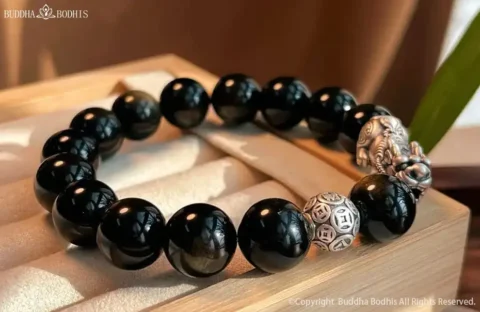
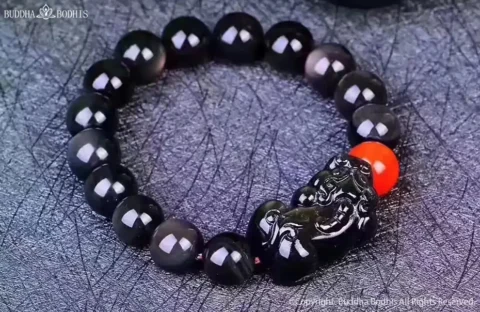
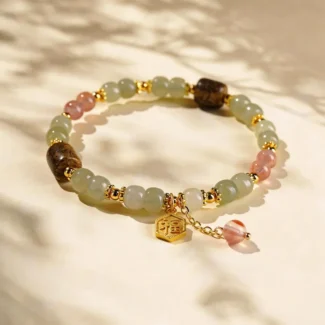
To truly balance your home, you must first address these blockages before applying advanced cures like Black Obsidian protection bracelets or statues.
Foundational Principles of Feng Shui
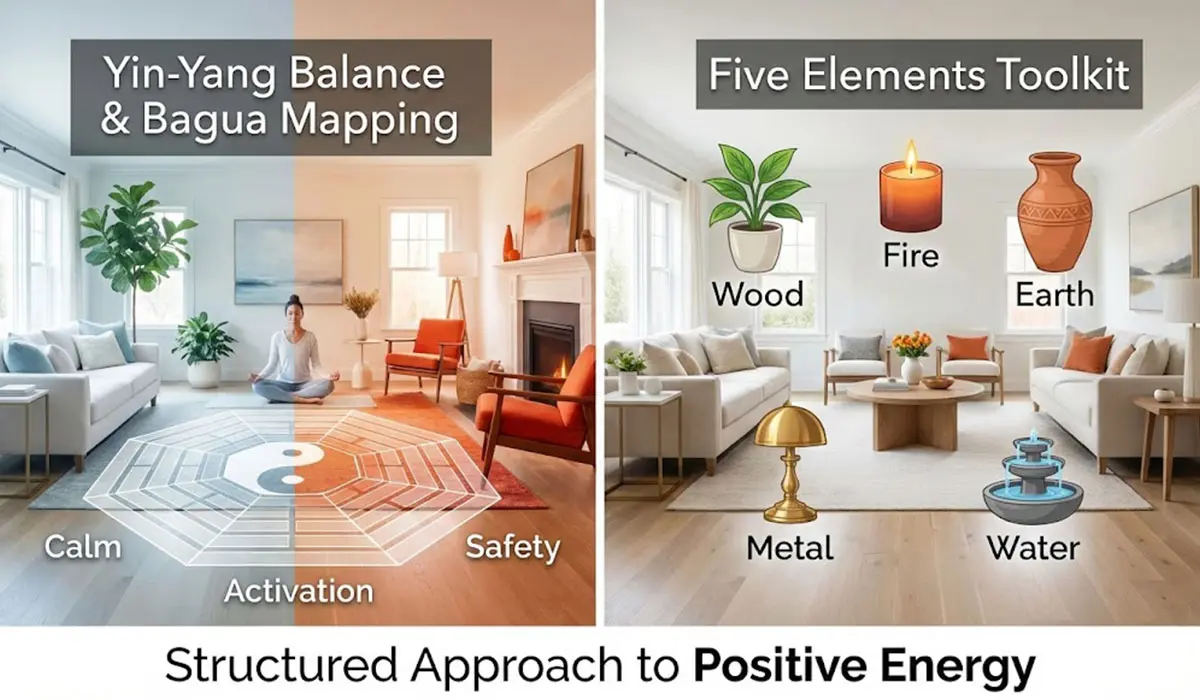
Most feng shui systems rest on two core ideas: balance (yin-yang) and mapping (the Bagua). If you keep those straight, the five elements become a practical toolkit instead of a guessing game.
- Balance: Every room needs a mix of calm and activation.
- Placement: Your layout should support safety, visibility, and clean energy flow.
- Consistency: Pick a school, then apply it the same way room to room.
Unique Insight: An interior design project used a structured approach to balance the five elements. A personal case showed that consistent use of one Bagua method improved a room’s positive energy.
Polarity: Yin and Yang
Yin and yang describe paired qualities: quiet and active, dark and bright, soft and sharp. You don’t want a home that is all yin (sleepy and heavy) or all yang (restless and loud).
Use yin-yang on purpose by assigning each room a job.
- More yin (rest and recovery): bedrooms, reading corners, meditation spots. Add soft textures, warm lighting, and visual calm.
- More yang (focus and action): kitchens, offices, workout areas. Add bright task lighting, clear surfaces, and crisp organization.
If a room feels “wired” at night, turn down the yang: reduce glare, simplify wall art, and keep the bed out of the direct line of the door.
The Bagua Map and its significance
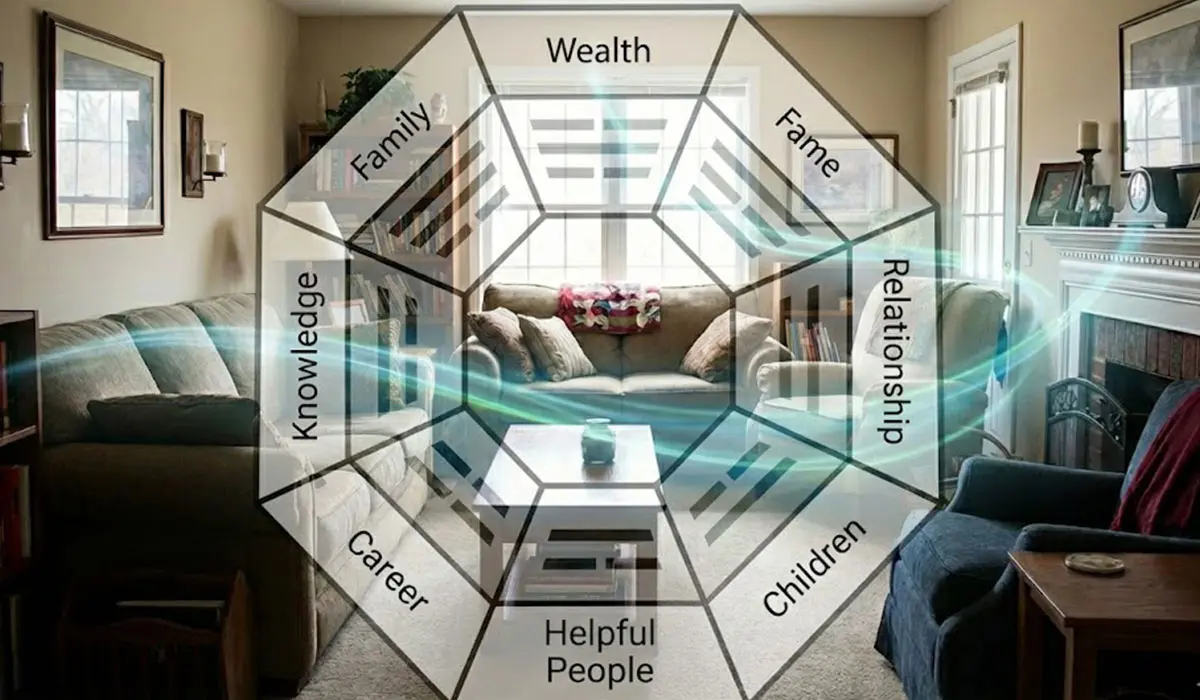
The Bagua Map uses the eight trigrams (baguas), plus a center, to connect directions with life themes. In many feng shui schools, homes use the Later Heaven arrangement for daily living spaces.
The important part is not memorizing every symbol. It’s using the map to make one change at a time, with a clear reason.
Interactive tip: Use a magnetic compass with the Bagua map to test room orientation. Online tools show how small shifts can improve energy flow and spiritual harmony.
| Direction | Trigram | Element | Common life focus |
|---|---|---|---|
| North | Kan | Water | Career and life path |
| Northeast | Gen | Earth | Knowledge and self-cultivation |
| East | Zhen | Wood | Family and health |
| Southeast | Xun | Wood | Wealth and prosperity |
| South | Li | Fire | Fame and recognition |
| Southwest | Kun | Earth | Relationships and partnerships |
| West | Dui | Metal | Creativity and children |
| Northwest | Qian | Metal | Helpful people and travel |
| Center | Center | Earth | Overall balance |
How to use the Bagua without overthinking it:
- Choose your method: compass-based Bagua or the front-door (Western/BTB) Bagua. Do not mix them.
- Pick one life area: wealth, health, or relationships works well for a first pass.
- Make one clear change: declutter, improve lighting, or add a missing element.
- Watch your habits: the best “cure” is often how you use the room each day.
The Five Elements in Feng Shui
The five elements, also called the five phases (wu xing), give you a practical way to adjust the “feel” of a room. Think of them as five types of energy you can express through materials, color, shape, and lighting.
Two relationships matter most:
| Cycle | What it means | Element sequence |
|---|---|---|
| Productive (supporting) | Add what nourishes the element you want to strengthen | Wood → Fire → Earth → Metal → Water → Wood |
| Controlling (balancing) | Reduce an element that dominates by adding its “controller” carefully | Wood controls Earth, Earth controls Water, Water controls Fire, Fire controls Metal, Metal controls Wood |
If you’re new to feng shui, lean on the productive cycle first. It usually feels better and looks more natural in interior design.
Earth
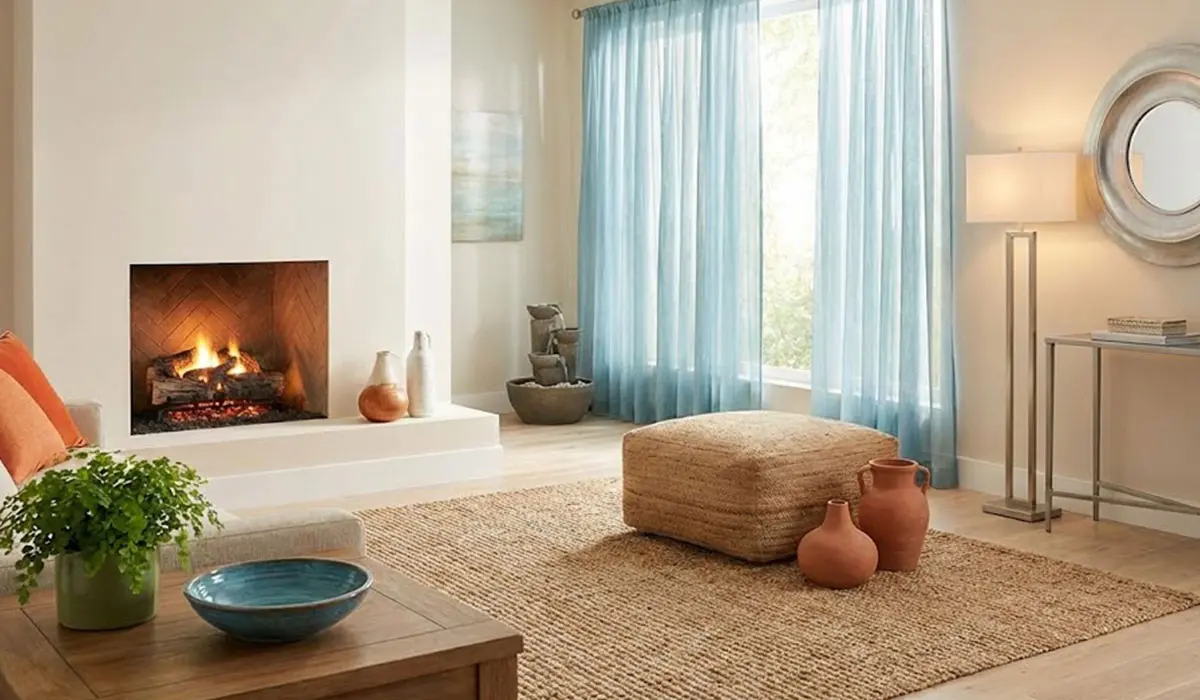
Earth energy is steady and grounding. It often helps spaces that feel scattered, unfinished, or mentally noisy.
- Where it fits: center, southwest, and northeast areas on a compass Bagua.
- Easy Earth upgrades: ceramics, stone, square or low-profile shapes, warm neutrals, and a solid, stable rug.
- Common pitfall: too much earth can feel heavy. If a room starts to feel dull, add a bit of metal (white, gray, round shapes) for clarity.
Metal
Metal symbolizes structure and precision. It’s a useful element in home offices, entry areas, and any spot where you want clean focus.
- Where it fits: west and northwest areas on a compass Bagua.
- Easy Metal upgrades: a round mirror, a white lampshade, metal frames, or a simple desk organizer that hides visual clutter.
- Common pitfall: too much metal can feel cold. Bring in wood (plants, warm-toned wood finishes) to soften it.
Water
Water relates to flow, calm, and resourcefulness. In feng shui, it often connects to career and money, but it also matters for literal comfort like humidity and sound.
- Where it fits: north area on a compass Bagua.
- Easy Water upgrades: dark blue accents, reflective surfaces used lightly, and imagery of water that feels peaceful.
- Common pitfall: “water” that is dirty, noisy, or neglected works against you. Keep fountains, aquariums, and humidifiers clean and maintained.
Wood
Wood represents growth and health. It’s one of the easiest elements to express without looking themed, because it maps naturally to plants and real wood finishes.
- Where it fits: east and southeast areas on a compass Bagua.
- Easy Wood upgrades: healthy plants, vertical growth shapes, wood furniture you actually use, and green accents.
- Common pitfall: dying plants send a “decline” signal. If you struggle with plant care, use fewer plants and choose sturdier options.
Fire
Fire is activation. It’s great for motivation, visibility, and warmth, but it can also push a room into restlessness if you overdo it.
- Where it fits: south area on a compass Bagua.
- Easy Fire upgrades: warm lighting, candles used safely, triangular accents, and a small hit of red or orange.
- Common pitfall: too much fire in a bedroom can disrupt sleep. Use fire lightly there, then lean on yin elements like soft textiles and dim light.
Real-life example: A modern interior design case used elements from the five elements to adjust a room’s feel. Personal accounts show that small changes, such as adding healthy plants for wood energy, can boost positive energy.
Practical Ways to Balance Energy in Your Daily Life
Daily feng shui works best when you treat it like maintenance, not a makeover. Small shifts in placement, airflow, and clutter create a bigger impact than buying new decor.
Here’s a simple routine that takes minutes, not hours.
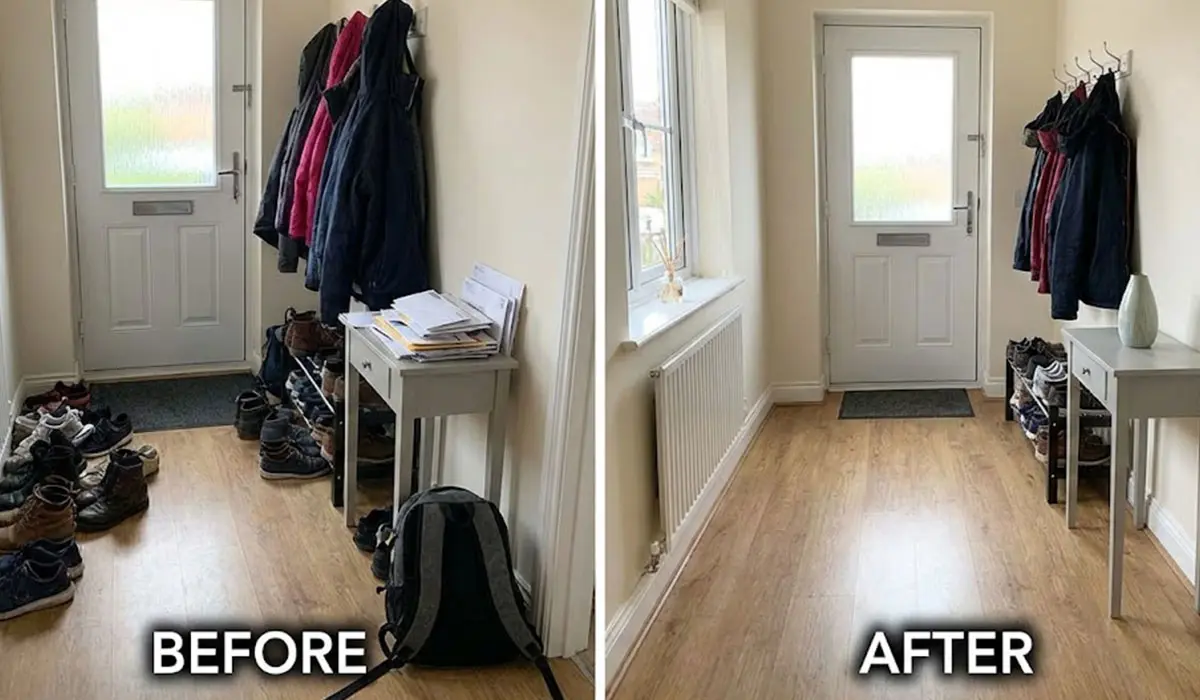
- Reset the entry: clear the floor, clear the path, and give keys and bags one home.
- Open one window: refresh the air, even briefly.
- Clear one surface: pick the kitchen counter, desk, or nightstand.
- Fix one “stuck spot”: a jammed drawer, burned-out bulb, or wobbly chair.
- Restore one calming cue: make the bed, fluff the couch pillows, or fold a throw.
A recent project in home design showed that resetting an entry and clearing surfaces made a significant change in energy flow. Personal accounts support these simple daily practices.
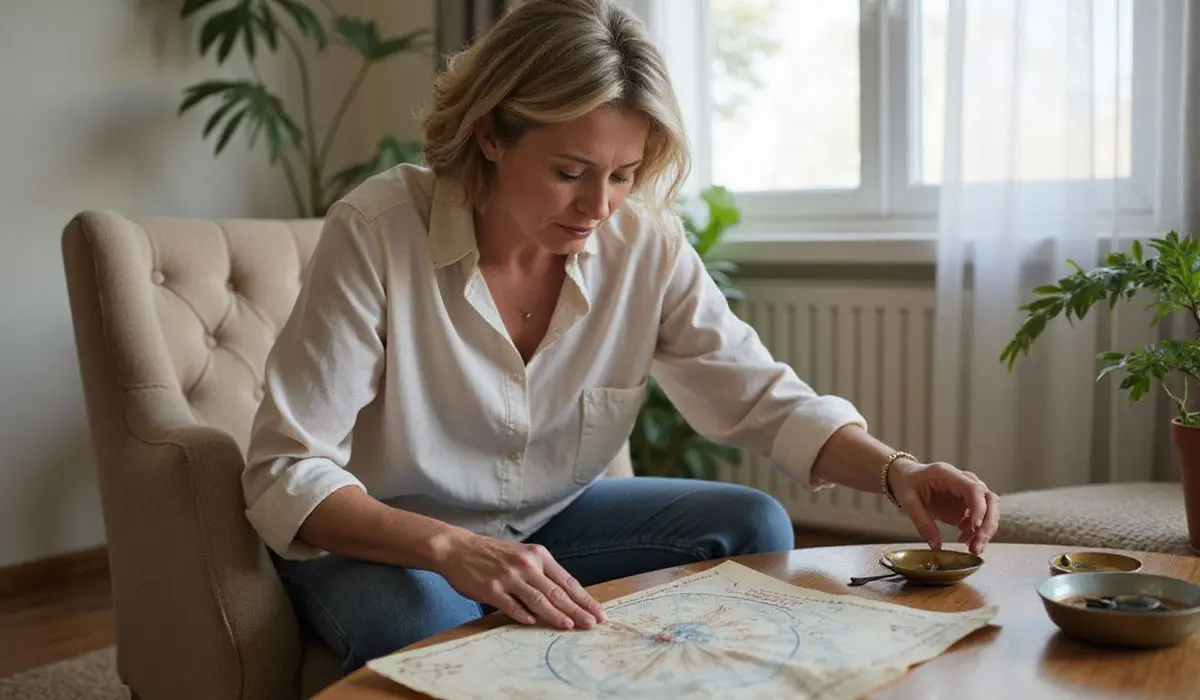
Arranging furniture for optimal energy flow
Start with the “commanding position.” Place key pieces, like your bed, desk, and main seating, so you can see the door without being directly in line with it.
- Bed: headboard on a solid wall, door visible, not feet-first into the doorway.
- Desk: face into the room, not with your back to the door. If you can’t, use a small mirror so you can see the entry.
- Sofa: aim for support behind you, and a clear view of the room’s main entrance.
A modern interior design project demonstrated that repositioning key furniture improved safety and increased positive energy. The magnetic compass method proved useful in this case.
Decluttering and creating open spaces
Clutter doesn’t just block movement, it also keeps your mind “open” on unfinished tasks. A 2010 study by Saxbe and Repetti linked a more clutter-stressed view of the home with less healthy daily cortisol patterns in women.
Use this fast sorting method so you keep momentum:
- Trash: obvious garbage and expired items.
- Relocate: items that belong elsewhere, carried out of the room immediately.
- Donate: useful items you don’t use or even like.
- Contain: what remains, stored in one bin or one drawer per category.
Then protect your open space by setting one “no stack” rule: one countertop, one chair, or one corner stays clear all week.
A study in home design confirmed that clear spaces reduce mental clutter and aid energy flow. This practical tip aligns with research linking clutter stress to elevated cortisol levels.
Enhancing natural light and airflow
Light and air are the most literal form of positive energy. If a room is dim and stale, it will feel heavy no matter how perfect the Bagua placement is.
U.S. Environmental Protection Agency guidance for indoor air quality notes it’s ideal to keep indoor relative humidity between 30% and 50% while also staying below 60% to limit moisture problems.
- Daytime: open blinds early and let natural light hit the areas where you sit and work.
- Nighttime: lower the lighting level so your bedroom shifts into yin mode.
- Kitchens and baths: use real exhaust. ASHRAE Standard 62.2 describes local ventilation targets like at least 100 cfm for a vented kitchen hood and at least 50 cfm for an intermittent bathroom fan (or 20 cfm if it runs continuously).
- Whole-home ventilation: ASHRAE Standard 62.2-2022 includes a whole-house calculation commonly shown as Qtot = 0.03 × floor area (ft²) + 7.5 × (bedrooms + 1), which can help you talk to an HVAC pro about what “enough fresh air” looks like for your home.
As a bonus, the National Sleep Foundation’s 2022 Sleep in America poll reports only 51% of Americans get bright light exposure indoors during the morning, which is a strong reason to brighten the rooms where you start your day.
Case studies in interior design confirm that bright light and proper ventilation support a calm atmosphere and improve sleep quality.
Using the Bagua Map to Energize Different Areas of Life
The Bagua map is most effective when you use it as a prioritization tool. It helps you decide where to put your attention first, so you don’t try to “feng shui everything” at once.
If you’re deciding between Bagua styles, this comparison keeps it clear.
| Approach | How it aligns | Good for | Common pitfall |
|---|---|---|---|
| Compass Bagua | Uses a magnetic compass and cardinal directions | Homes where orientation and direction feel central to your practice | Measuring near metal, speakers, or appliances that distort readings |
| Front-door (Western/BTB) Bagua | Sets the bottom row of the grid at the main entrance side | Simple room-by-room changes and fast organization wins | Switching doors (front door vs most-used door) and changing the map week to week |
In many Bagua systems, wealth sits in the southeast and relates strongly to wood energy. That’s why a healthy plant often works better than a random “money object” you don’t even like.
- Lead with function: handle paperwork, overdue mail, and financial clutter in this zone.
- Add wood: a thriving plant, wood tones, vertical shapes, and green accents.
- Add water lightly: a small reflective accent or water imagery can support flow, but keep anything mechanical easy to maintain.
- Remove “leaks”: fix literal leaks, and tidy cords and open shelving that make the area feel unfinished.
Health shows up fast in your sleep and your breathing. Start with the bedroom, then move to the center of the home for overall balance.
- Support the bed: solid headboard wall, calm view, and a clear path so you don’t stumble in low light.
- Clean air supports qi: keep vents unblocked, use the bathroom fan after showers, and avoid storing dusty clutter under the bed.
- Use gentle wood energy: a plant you can keep healthy, plus simple natural textures.
- Make mornings brighter: open the curtains where you eat breakfast or start work, so your day begins in yang mode.
Relationships and partnerships
The relationships area often maps to the southwest and leans earth. The goal is to create steadiness, warmth, and a sense of “we’re in this together.”
- Use pairs: two lamps, two pillows, or two framed photos that reflect shared values.
- Choose calm lighting: warm, soft light beats harsh overhead glare.
- Reduce sharpness: soften aggressive angles pointed at the bed with a plant, a curtain, or a furniture shift.
- Clear the conversation zones: keep the bedside and couch areas usable, not stacked with laundry or devices.
Interactive tools help model changes in each life area. Personal accounts show that focusing on key zones like wealth or health brings clear improvements in energy flow.
Common Mistakes to Avoid in Feng Shui Practice
The most common feng shui mistakes are not mystical. They’re practical: you block movement, you create visual stress, or you chase “fixes” that don’t match your home.
- Mixing methods: swapping between a compass Bagua and a front-door Bagua creates confusion and inconsistent results.
- Ignoring maintenance: burned-out bulbs, broken handles, and stuck drawers keep attention trapped.
- Using too many cures: piles of objects can become clutter in disguise.
- Overdoing one element: too much fire, metal, or wood can push a room into imbalance.
A clear and consistent approach to home design prevents common pitfalls seen in some projects. Personal accounts note that avoiding mixed methods helps maintain balance.
Ignoring clutter
Clutter blocks qi because it blocks you. It narrows walkways, interrupts cleaning, and keeps you “living around” your stuff.
If you want a simple rule that stays realistic, use the 60-second reset:
- Put away five items that are out of place.
- Clear one visible surface.
- Throw away one thing you already know you don’t want.
- Stop when the space feels usable again.
Overloading spaces with elements
Too much of any element can make a room feel extreme. The fix is rarely to add more. It’s to balance what’s already loud.
| If the room feels like… | What may be dominating | Try this balancing move |
|---|---|---|
| Restless, bright, edgy | Fire | Add yin: softer textiles, dimmer lighting, calmer colors |
| Cold, rigid, sterile | Metal | Add warmth: wood tones, a plant, or softer shapes |
| Heavy, stuck, dull | Earth | Add lift: brighter light and a little metal clarity |
| Chaotic, overgrown | Wood | Add structure: storage, metal frames, and cleaner lines |
| Sluggish, moody | Water | Add warmth: gentle fire through lighting and inviting color |
FAQs
1. What is feng shui?
Feng shui is a set of practices that help balance life force, or qi, so energy flow feels clear and calm. It uses the five elements, or five phases, to guide home design and interior design and to bring positive energy.
2. How do I use feng shui every day?
Clear clutter and open paths so energy flow can move. Place furniture for easy movement, add colors and materials tied to the five elements, and aim for positive energy in each room.
3. Is feng shui backed by history?
Yes, the history of feng shui links to early Chinese sites like Hongshan cultures and Longshan, and to texts such as the I Ching and the book of documents. Taoists and scholars like Guo Pu shaped its ideas, and finds at Mawangdui show long roots reaching back to the Shang dynasty.
4. What are xuan kong and later heaven?
Xuan kong, called flying stars, tracks time and direction to tune energy flow. The later heaven bagua maps space and links to the five phases, you use it to place items for balance.
5. Did politics change feng shui?
The cultural revolution saw the Chinese Communist Party and Red Guards reject many old practices, and feng shui went out of favor. After the founding of the people’s republic of china and later reform and opening up, people slowly returned to some traditions.
6. Can feng shui fit modern interior design?
Yes, feng shui works with interior design and home design to boost comfort and clear flow. Use simple tools like the lo (river) chart or the I Ching for layout choices, and match design moves to energy, not superstition.
7: Can wearing Feng Shui jewelry complement my home’s energy?
Yes. While furniture placement balances the space, wearing a Feng Shui jewelry ensures your personal energy (Aura) remains aligned with the positive Qi flow as you move through your environment.
Conclusion
Feng shui works best as a daily practice, not a one-time project.
Use feng shui to keep energy flow clear: place furniture with better sightlines, clear the clutter that slows you down, and bring in light and fresh air.
When you’re ready to get more specific, use the Bagua Map and a magnetic compass to target wealth, health, and partnerships, then balance the five elements to support calm and positive energy.
Modern Feng Shui Applications
Current digital tools offer interactive ways to apply feng shui in home design. Many projects use a magnetic compass and digital Bagua maps to visualize changes in energy flow.
Disclaimer: This content is informational and does not serve as professional advice. It is offered for home design and interior design purposes only. Sources include merriam-webster.com dictionary, EPA guidelines, ASHRAE Standard 62.2-2022, and studies such as the Saxbe and Repetti (2010) research.

Cultural Researchers & Feng Shui Practitioners. We have been exploring traditional year-based wisdom and spiritual symbolism since 2020.