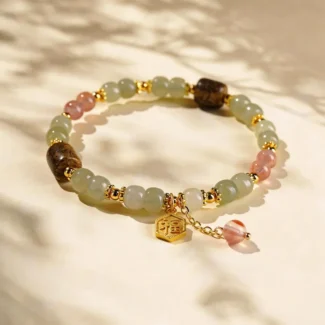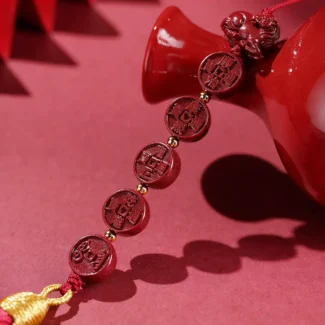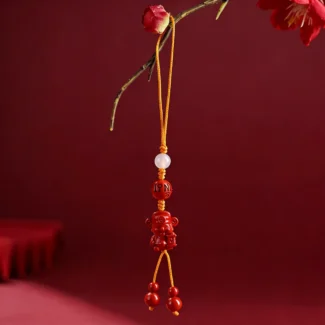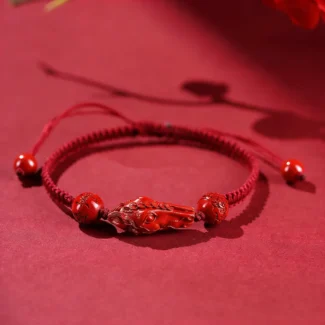



A blessed Tibetan red string bracelet is a powerful spiritual tool used for protection, mindfulness, and attracting positive energy into your life. Many people wear these sacred cords to shield themselves from negative vibes and to stay connected to their inner peace. In this guide, we will explore the deep history and the specific rules for wearing this ancient talisman.
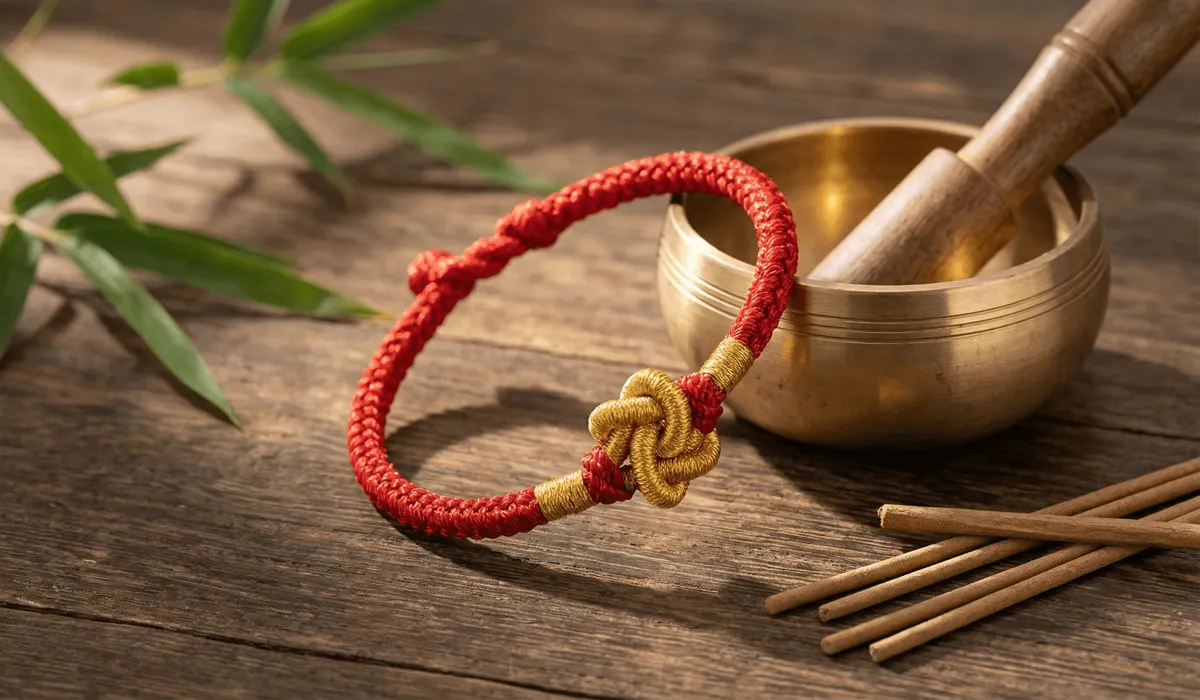
- Hand-braided by monks to offer spiritual protection and shield against negativity.
- Traditionally worn on the left wrist to receive blessings and positive energy.
- Features sacred knots like the Vajra or Endless Knot representing infinite wisdom.
- Acts as a physical anchor for mindfulness and setting daily spiritual intentions.
- Should be worn until it falls off naturally to complete its energetic cycle.
What Is the Blessed Tibetan Red String Bracelet?
Definition
A sacred accessory crafted from high-quality thread or cord, typically colored crimson or scarlet. This item is commonly known as a protection string (Sungwa) or blessing cord in various Himalayan traditions. It serves as an authentic Buddhist talisman and a physical reminder of spiritual vows or personal intentions.
Origin & Materials
The practice is deeply rooted in Tibetan Vajrayana Buddhism (金刚乘佛教) rituals and ancient Himalayan folk traditions. These bracelets are traditionally handmade using durable silk, cotton, or synthetic fiber designed for long-term wear. Many pieces feature intricate knots, such as the Endless Knot or the Vajra Knot, which represent the interconnectedness of all things.
Basic Characteristics
These items are characterized by a vibrant red color, which symbolizes life force, solar energy, and protection in Eastern cultures. They are usually hand-braided by practitioners or Buddhist monks during specific periods of meditation. Most designs include adjustable sliding knots to ensure a comfortable fit for daily wear and spiritual practice.
Spiritual Meaning & Symbolism
The red string is believed to create a spiritual shield around the wearer to deflect envy and misfortune. In many cultures, the color red represents the “Chi” (气) or life force that sustains us. The knots themselves carry heavy meaning, often signifying the infinite wisdom and compassion of the Buddha.
Tibetan Buddhist Context
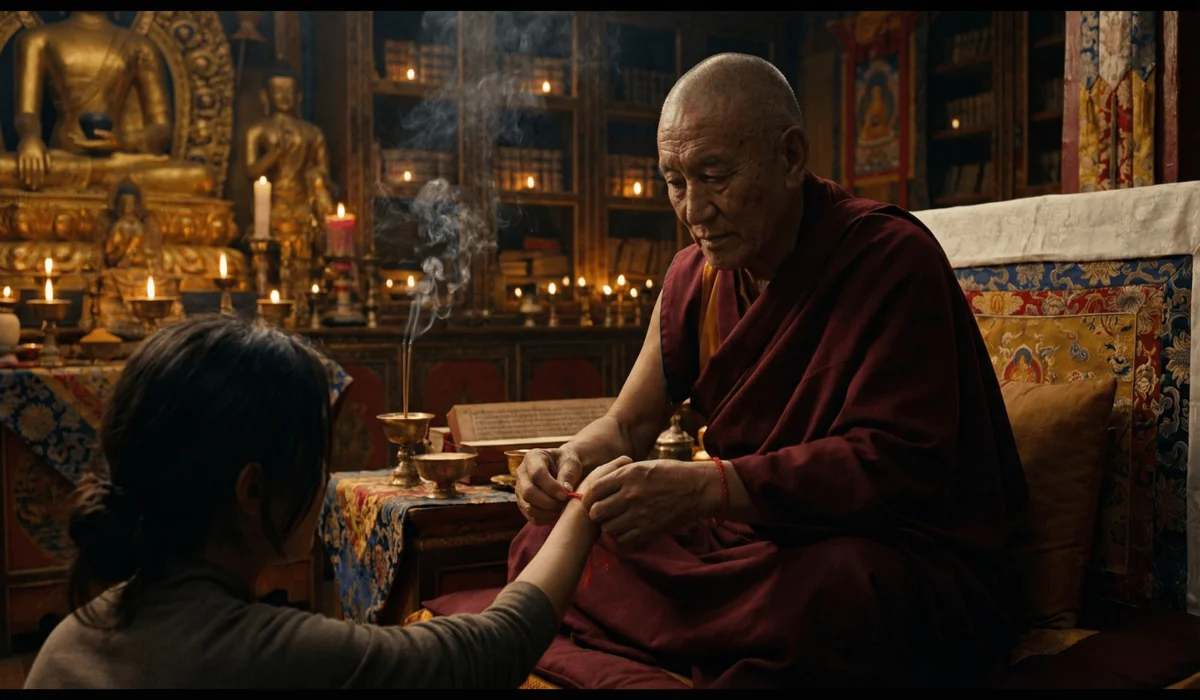
Many bracelets are imbued with the energy of sacred sounds, such as mantras, during their creation. Authentically sourced bracelets often undergo a formal blessing by a spiritual teacher or Lama to charge the material with positive intent. This process connects the wearer to a long lineage of Traditional Tibetan Jewelry and wisdom.
Cultural and Historical Context
The red thread is often linked to the Asian legend of the Red Thread of Fate, which connects people destined to meet. Historically, these cords were given to students by their teachers to mark the completion of a retreat. Understanding the historical cultural context helps us appreciate the depth of this simple cord.
Benefits & Intentions Associated with the Tibetan Red String
Many wearers set the intention of inviting “Lungta” (Wind Horse) or positive karma into their daily lives. The bracelet acts as a grounding tool to help maintain a calm perspective during stressful transitions. It is a constant reminder to practice loving-kindness toward all living beings.
Based on our experience at Buddha Bodhis, we have seen how these bracelets help people stay focused on their goals. Our many customers reflect that the physical presence of the cord triggers a reminder to take a mindful breath. This simple act can transform a chaotic day into a peaceful one.
Mindfulness & Personal Practices
- The string serves as an anchor for breathwork and meditation sessions.
- It encourages the wearer to speak and act with kindness toward others.
- The cord acts as a psychological anchor for goals like patience or gratitude.
- It provides a sense of belonging to a global community of practitioners.
How to Wear a Blessed Tibetan Red String Bracelet Properly
In many spiritual traditions, the left hand is considered the receiving side of the body. Because the left side is closest to the heart, it is the ideal place to wear your protective talisman. This allows you to absorb the protective energies and blessings contained within the thread.

It is often recommended to have someone you love or a spiritual mentor tie the bracelet for you. This seals the intention with a bond of affection and trust. While the bracelet is being fastened, you should visualize a bright light surrounding you and state your intention clearly.
The Seven Knots Rule
Some practitioners prefer to tie seven knots into their string during the initial wearing. Each knot can represent a different spiritual dimension or a specific layer of protection. This practice is common when using materials like Red Jasper Beads or simple silk cords to enhance the ritual.
Tibetan Red String Bracelet vs. Similar Spiritual Charms
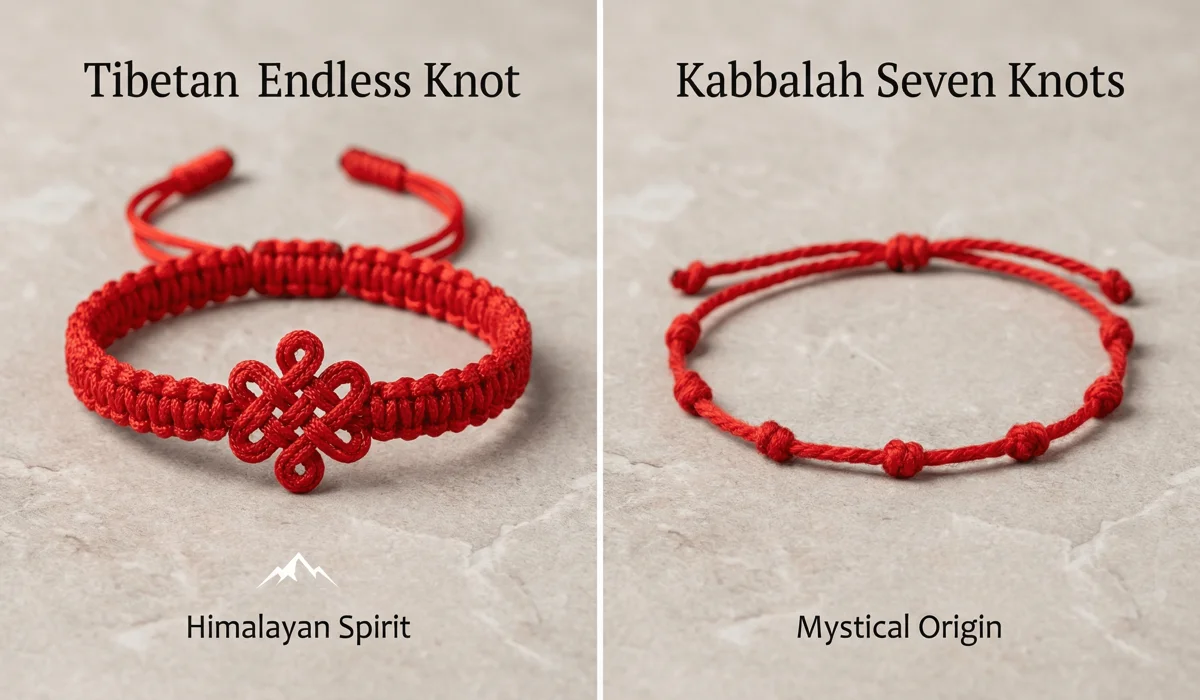
While many cultures use red strings, the origins and construction methods vary greatly. The Tibetan version is rooted in Buddhist philosophy, whereas others might come from different mystical backgrounds. We have created a comparison to help you understand the differences.
| Feature | Tibetan Red String | Kabbalah Red String |
|---|---|---|
| Origin | Vajrayana Buddhism | Jewish Mysticism |
| Design | Hand-braided knots | Simple wool thread |
| Blessing | Mantra recitation | Tomb of Rachel ritual |
| Primary Focus | Compassion & Protection | Warding off Evil Eye |
Who Is the Tibetan Red String Bracelet Suitable For?
This bracelet is suitable for anyone looking to deepen their connection to Eastern philosophy. Empaths and sensitive people often choose it to help them feel less drained by the energy of others. It acts as a symbolic shield that provides comfort during social interactions.
Yoga and meditation practitioners find that it enhances the aesthetic and intentional focus of their daily practice. It also makes a wonderful gift for loved ones to show you care about their well-being. These talismans are inclusive and can be worn by anyone with a respectful heart.
When we source these materials, we ensure they meet high standards of quality. Just as experts at the Gemological Institute of America value purity in stones, we value the spiritual integrity of our cords. You can learn more about different materials in our guide on Gemstone Spiritual Meanings.
How to Cleanse, Charge, and Care for Your Blessed Bracelet
To keep the energy of your bracelet fresh, you can use sound healing with a singing bowl. Passing the bracelet through the smoke of sandalwood or juniper incense is another traditional way to purify it. If it gets dirty, simply rinse it with plain water while maintaining a prayerful focus.
Re-energize your bracelet by holding it between your palms and reciting a mantra 108 times. You can also place it on a windowsill during a full moon to soak up calm energy. For more professional insights on material care, you can visit Gemmological Association of Great Britain.
Traditional belief suggests you should wear the bracelet until it breaks or falls off on its own. This signifies that the intention has been fulfilled or the negative energy has been absorbed. When this happens, dispose of the thread respectfully by returning it to the earth.
Frequently Asked Questions
Q: Which wrist do you wear a Tibetan red string bracelet on?
A: It is traditionally worn on the left wrist because the left side is considered the receiving side of the body and is closest to the heart. This placement helps the wearer absorb the positive energy and protection the blessed string provides.
Q: What is the spiritual meaning of the red string in Buddhism?
A: It represents protection, good luck, and a reminder of the path to enlightenment and the practice of compassion. The red color itself is a symbol of life force and is believed to guard the wearer against negative spirits and evil eye energy.
Q: How are Tibetan bracelets blessed by monks?
A: Monks perform a blessing ceremony involving the recitation of sacred mantras and visualization of enlightened energy. During this process, the thread is charged with the intention of providing the wearer with peace, protection, and merit.
Q: What should I do if my blessed red string bracelet breaks?
A: In Tibetan tradition, a broken bracelet is not seen as a bad omen; rather, it means it has absorbed a negative energy for you or that your intention has been realized. It is recommended to dispose of the broken thread respectfully, such as by burying it in the earth or placing it in a high, clean spot in nature.
Q: Can anyone wear a Tibetan red string bracelet?
A: Yes, these bracelets are generally considered inclusive and can be worn by anyone who respects the tradition and the spiritual intentions behind them. They are frequently used by people of various backgrounds as a tool for mindfulness and a symbol of personal protection.
Conclusion & Gentle Next Step
The Tibetan red string is a profound symbol of protection, lineage, and mindfulness. By wearing it on the left wrist and setting a clear intention, you align yourself with centuries of spiritual wisdom. Always treat your bracelet with respect and let it serve as a quiet reminder of your path. We invite you to find a piece that resonates with your personal journey and brings you peace.
Explore our full collection of Authentic Blessed Bracelets to find the design that speaks to your spirit and supports your daily mindfulness practice.
The content provided is for informational and cultural exchange purposes only. It does not constitute medical, legal, financial, or other professional advice. Readers should consult with qualified professionals regarding any specific concerns or conditions.

Written by the Buddha Bodhis Team
Since 2020, we have been devoted to exploring traditional year-based wisdom, classical Feng Shui principles, and the rich spiritual symbolism rooted in Eastern cultural heritage. Our work bridges ancient metaphysical systems with modern life, interpreting annual cycles, elemental energies, and symbolic meanings to offer thoughtful insight and practical guidance. Through continuous research and practice, we aim to preserve traditional knowledge while making it accessible, relevant, and meaningful for contemporary seekers of balance, intention, and personal growth.
TikTok | YouTube | Pinterest | X
buddhabodhis@gmail.com