



The timeless symbol of Enlightenment, Inner Peace, and Mindfulness.
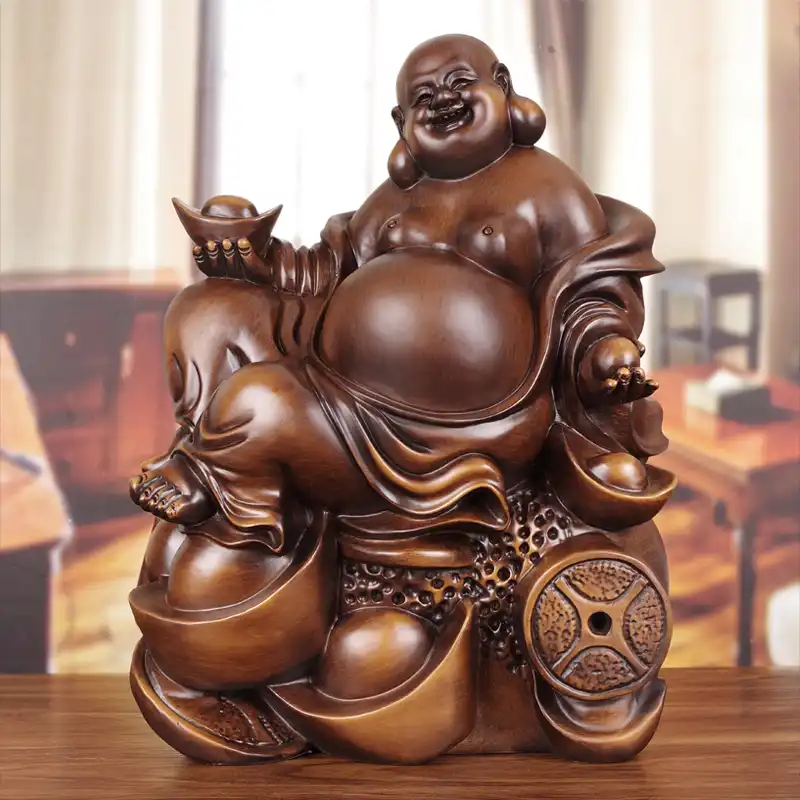
This collection features **Shakyamuni Buddha** (Siddhartha Gautama), the historical sage who attained enlightenment under the Bodhi Tree. Unlike the “Laughing Buddha” (who brings wealth), the classical Buddha represents the journey inward—calming the mind and awakening wisdom.
He is the ultimate anchor for your meditation practice, radiating a grounding Earth Element energy to stabilize your home.
Decoding Mudras: What do his hand gestures mean?
- Intention: Serenity & Peace, Spiritual Awakening, Focus
- Style: Meditating (Lotus Position), Standing, Reclining (Nirvana)
- Material: Bronze, Wood, Stone, Ceramic
No products were found matching your selection.
🧘 Who is the Buddha? (Shakyamuni vs. Budai)
The Buddha usually refers to Siddhartha Gautama, the prince who left his palace to find the end of suffering. He is depicted with a serene face, a topknot (Ushnisha) representing wisdom, and long earlobes symbolizing his ability to hear the world’s suffering. Placing his statue in your home is not about “worshipping” a god, but creating a mirror for your own inner potential for peace.

✋ Decoding the Hands: A Guide to “Mudras”
The position of the Buddha’s hands (Mudras) changes the energy of the statue. Choose the one you need:
| Mudra Name | Hand Position | Meaning & Purpose |
|---|---|---|
| Dhyana (Meditation) |
Hands resting in lap, palms up, thumbs touching. | Deep Focus. Best for your meditation room to promote concentration and stability. |
| Bhumisparsha (Earth Witness) |
Right hand touching the ground, left hand in lap. | Unshakable Truth. Represents the moment of enlightenment. Good for grounding. |
| Abhaya (Fearlessness) |
Right hand raised, palm facing out. | Protection. Disperses fear and negative energy. Place near the entrance. |
🏡 Feng Shui Placement: The “Eye Level” Rule
To honor the energy of Enlightenment, follow these placement guidelines:
- Eye Level or Higher: The Buddha should never look up at you. Place him on a high shelf or altar.
- Facing East: The Buddha meditated facing the rising sun to attain enlightenment. Facing East brings new energy and beginnings.
- The Quiet Zone: Avoid high-traffic areas like hallways. A quiet corner of the living room or a dedicated study is ideal.

✨ Build Your Meditation Sanctuary
Enhance the serene vibration by pairing your statue with:
-
- Bodhi Seed Malas: The most traditional tool for counting breaths or mantras.
-
- Sandalwood Incense: Light incense daily to “feed” the energy of the space and clear the air.
-
- Singing Bowls: Start your session with a sound bath to instantly drop into a meditative state.
❓ Frequently Asked Questions
Q: What is the difference between this Buddha and the Laughing Buddha?
A: The Laughing Buddha (fat and happy) is for wealth and joy. This Gautama Buddha (meditating and serene) is for peace, wisdom, and spiritual growth. They serve different purposes.
Q: Can I place the Buddha in the garden?
A: Yes, but treat him with respect. Place the statue on a stone pedestal or elevated platform, never directly on the dirt. Stone or bronze statues are best for outdoors.
Q: What does the bump on his head mean?
A: It is called the Ushnisha. It represents the “crown of wisdom” or the expanded consciousness that comes with enlightenment.
Browse our collection of hand-carved Shakyamuni Buddha statues below.
📝 Curated by: Buddha Bodhis Spiritual Team