


Create a sacred focal point. Where the physical meets the divine.
A **Prayer Altar** is the heartbeat of a spiritual home. It is not just a display; it is a mirror of your mind. Every item placed on it—from the **Water Offering Bowls** that symbolize purity to the **Butter Lamps** that represent the illumination of wisdom—serves to anchor your intention and elevate the vibration of your space.
Whether you are building a traditional Buddhist shrine or a minimalist Feng Shui corner, our collection of handcrafted ritual tools provides the essential elements to construct your personal sanctuary of Serenity & Peace.
The Setup Guide: What are the 7 Essential Offerings?
- Essentials: Copper Offering Bowls, Butter Lamps, Incense Holders
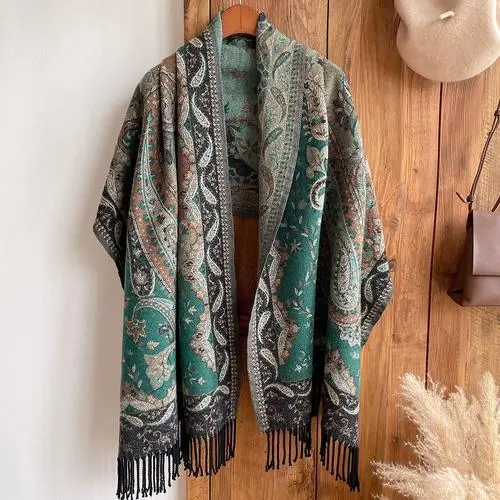
- Textiles: Brocade Altar Cloths, Thangka Backdrops
- Intention: Devotion, Gratitude, Mindfulness
No products were found matching your selection.
🕯️ Why Build a Home Altar?
In the chaotic rhythm of modern life, an altar acts as a “Stop Sign” for the busy mind. It is a designated physical space where the only activity is connection—with the divine, with your ancestors, or with your higher self.
It is not idol worship. When you bow or make an offering, you are not trying to please a god; you are cultivating the virtue of Generosity (Dana) and letting go of attachment. The altar supports you, not the deity.
💧 The Ritual of the 7 Offerings (Yonchap)
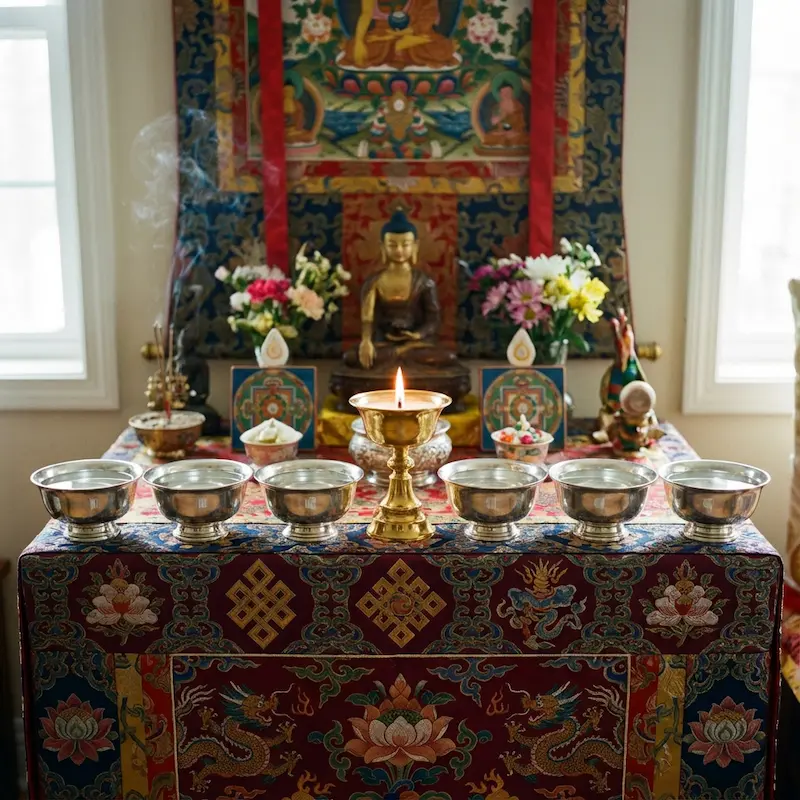
In Tibetan Buddhism, it is traditional to place 7 bowls of water (or symbolic items) on the altar every morning. Each represents a specific hospitality offering to an honored guest:
| Bowl # | Sanskrit Name | Meaning & Purpose |
|---|---|---|
| 1 & 2 | Argham & Padyam | Water for Drinking & Washing. Represents purity and the cleansing of negative karma (body and mind). |
| 3 | Pushpe | Flowers. Represents the beauty of impermanence and the opening of the heart. |
| 4 | Dhupe | Incense. Represents the fragrance of moral discipline and ethical conduct. |
| 5 | Aloke | Light (Butter Lamp). Represents Wisdom dispelling the darkness of ignorance. This is the most crucial offering. |
| 6 | Gandhe | Perfume/Scent. Represents perseverance and the essence of devotion. |
| 7 | Naivedya | Food. Represents gratitude and the nourishment of spiritual practice (Samadhi). |
🏆 Essential Tools for Your Shrine
1. Offering Bowls (Copper & Silver)
Why Copper? In spiritual traditions, Copper is considered a pure metal that repels bacteria and conducts energy.
Usage Tip: Fill the bowls with fresh water every morning. The water should be poured smoothly, not overflowing (greed) and not too empty (scarcity). Visualize the water turning into nectar as you pour.
2. The Butter Lamp (The Light)
The Butter Lamp (or candle holder) is the centerpiece. It symbolizes the Dharma (Truth) illuminating the world.
Lighting a lamp is a prayer for clarity. It asks for the ability to see things as they truly are, removing the fog of confusion and anxiety. (See our Liuli Crystal Lamps for a modern, fire-safe option).
3. Altar Cloths (The Boundary)
You should never place sacred objects directly on a bare, dusty table. An Altar Cloth (usually silk brocade) creates a “Temenos”—a marked-off sacred precinct. It separates the mundane world (the table) from the divine world (the statues), showing respect for the energy you are cultivating.
🏡 Where to Place Your Altar?
Location matters. The placement dictates the energy flow.
- Facing East: The direction of the rising sun. Best for new beginnings, awakening, and meditation.
- Facing North: The direction of stillness and career growth.
- Avoid: Never place an altar in the bathroom, under a staircase (stepping on the deity), or directly facing the toilet door. Also, avoid the bedroom if possible, as it is a space of intimacy and sleep, not active devotion.
🧘♀️ Integrating Sound and Scent
An altar is multisensory. Complete your setup with:
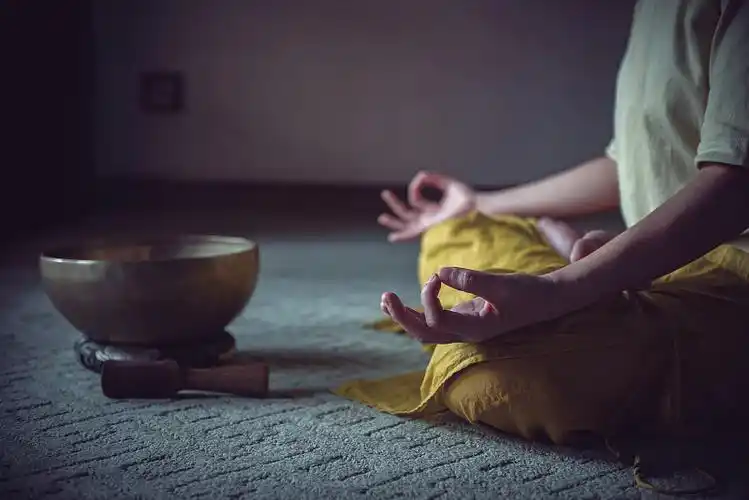
- Sound: A Singing Bowl or Tingsha Bells to “open” and “close” your practice.
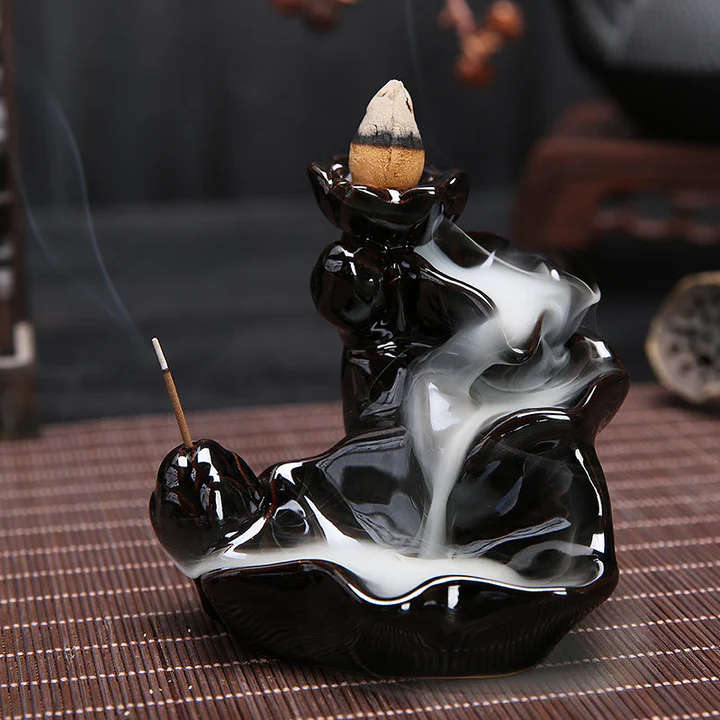
- Scent: An Incense Burner to purify the air.
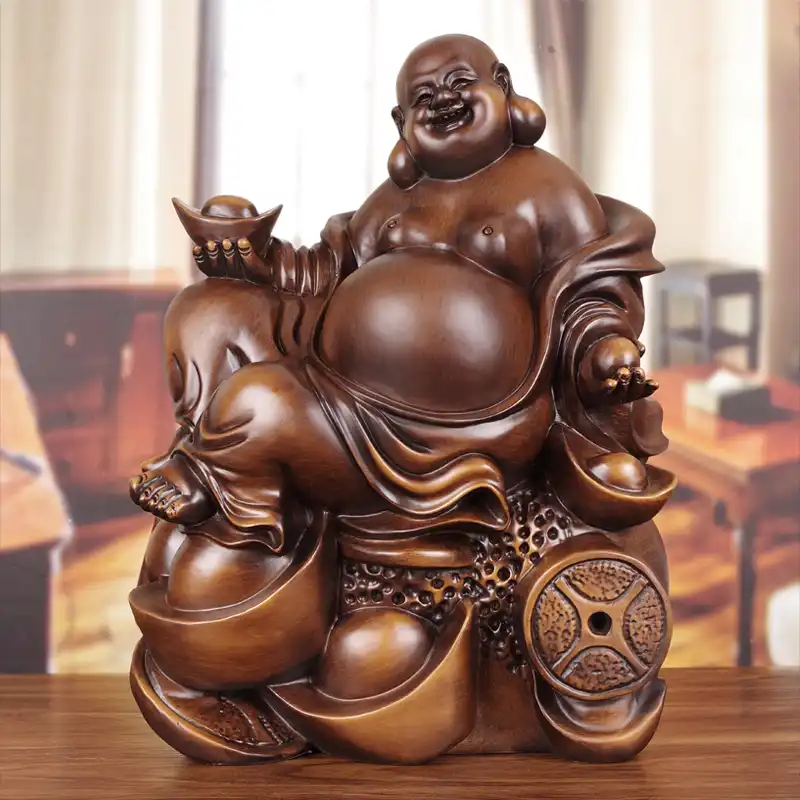
- Focus: A central Statue (Buddha, Ganesh, or Kwan Yin) to direct your gaze.
❓ Frequently Asked Questions
Q: Do I have to be Buddhist to have an altar?
A: No. An altar is simply a space dedicated to your inner life. You can place anything that inspires you—crystals, photos of ancestors, a feather, or a candle. It is about creating a “Pause Button” in your home for mindfulness.
Q: How do I dispose of the offering water?
A: The water offered on an altar is considered blessed. Do not pour it down the drain or toilet. Instead, pour it into a houseplant or outside in a garden. This shares the blessing with nature and feeds the earth.
Q: Can I use electric candles instead of real fire?
A: Yes. In modern apartments or for safety reasons, electric LED butter lamps are perfectly acceptable. In Buddhism, it is the Intention of Light that matters, not the physical fuel. The light still symbolizes wisdom dispelling darkness.
Q: How do I clean my copper bowls?
A: Copper naturally oxidizes (turns dark) over time. To restore the shine, create a paste with lemon juice and salt, rub it onto the bowls, rinse, and dry immediately. Keeping your altar items clean is part of the practice of mindfulness.
Build your sanctuary. Shop our collection of authentic ritual altar supplies below.
📝 Curated by: Buddha Bodhis Spiritual Team