


Invite the Divine Presence into your home. The anchor of your sacred space.
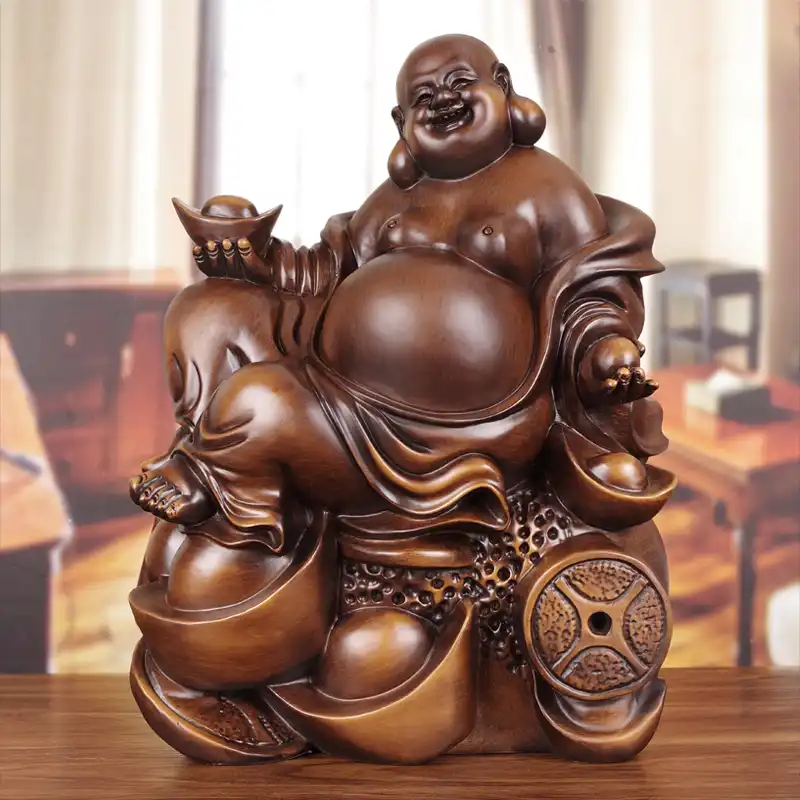
In the rush of modern life, a **Statue** serves as a visual reminder to pause, breathe, and return to your center. Whether it is the serene face of **The Buddha**, the joyful belly of **Maitreya**, or the powerful trunk of **Ganesh**, these handcrafted figures are vessels for high-vibrational energy.
They are the essential centerpiece for any meditation altar, radiating Serenity & Peace and activating the Earth Element of stability in your home.
The Deity Guide: Which statue do you actually need?
- Materials: Boxwood, Bronze, Ceramic, Liuli (Crystal Glass)
- Intention: Enlightenment, Wealth, Obstacle Removal
- Placement: Living Room, Office, Meditation Room
20% Off
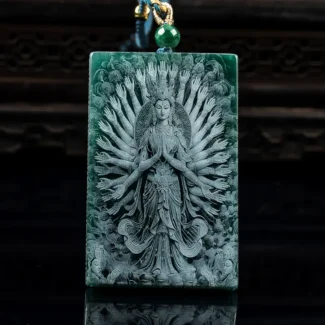
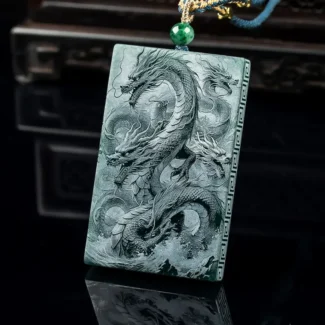
Natural Blue Aura Jadeite Thousand-Hand Kwan Yin & Dragon Pendant | Eternal Protection
Price range: $39.00 through $69.00
🙏 More Than Decor: The Power of the “Murti”
In Western interior design, a statue might be just an “accent piece.” But in Eastern tradition, a statue is a Murti (Sanskrit for ‘form’) or Rupa. It is not just art; it is a physical embodiment of a divine quality.
When you place a statue in your home, you are not worshipping an idol; you are honoring the potential for Enlightenment, Compassion, and Strength that exists within yourself. The statue acts as a mirror, reflecting your highest self back to you.
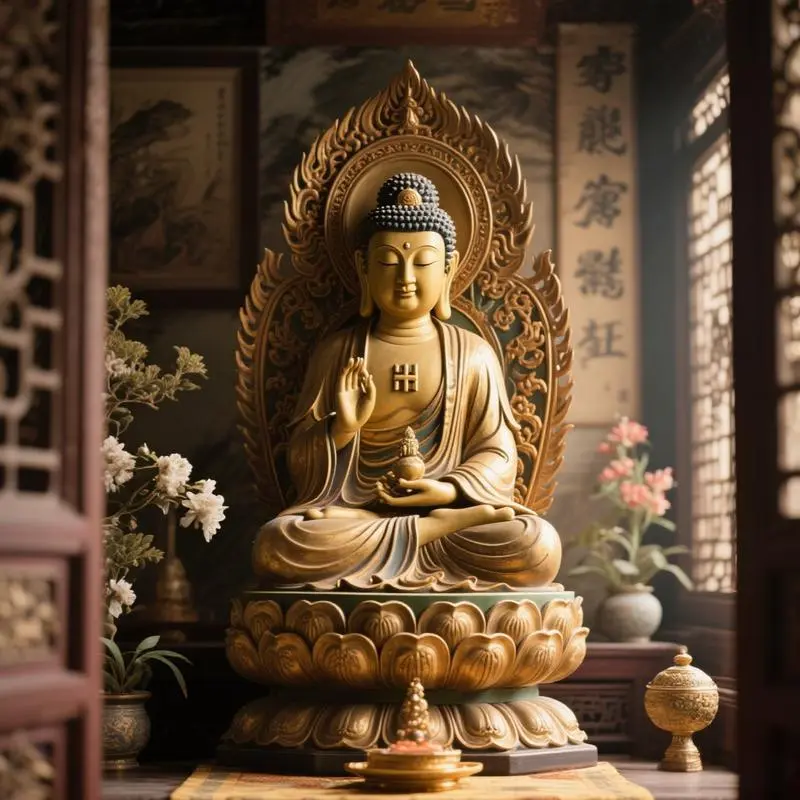
🧭 Which Deity Calls to You? (A Buyer’s Guide)
Choosing a statue is a personal journey. Use this guide to find the energy you need:
1. For Inner Peace & Wisdom: The Buddha (Shakyamuni)
The historical Siddhartha Gautama. Recognizable by his topknot (wisdom) and meditation pose.
Best For: Meditation rooms, students, and anyone seeking mental clarity and calm.
2. For Wealth & Joy: The Laughing Buddha
The happy monk (Budai) with a large belly. He is the ultimate Feng Shui cure for financial stress.
Best For: Business owners, living room entrances, and attracting abundance.
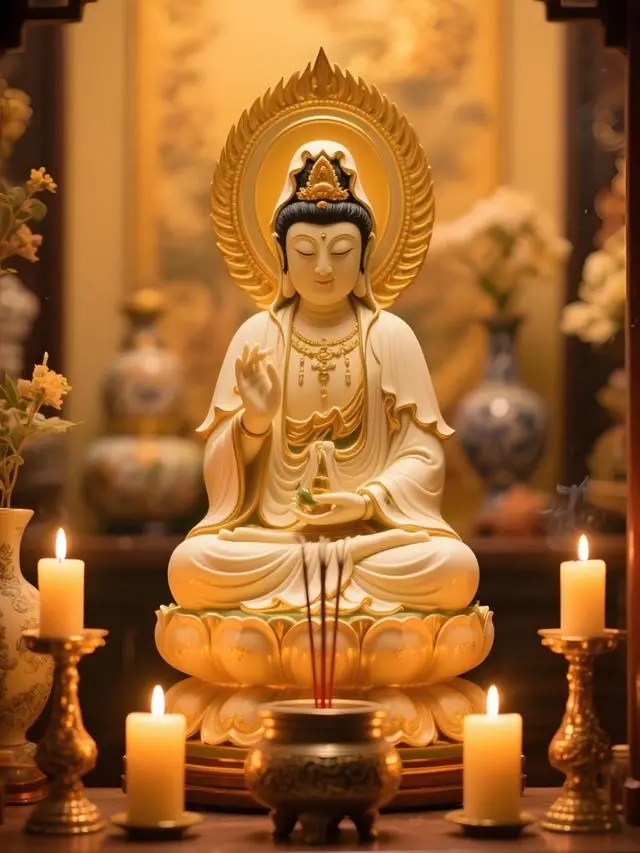
3. For Compassion & Healing: Kwan Yin
The Goddess of Mercy. She offers unconditional love and protection to women and children.
Best For: Healing emotional trauma, fertility prayers, and family harmony.
4. For Removing Obstacles: Lord Ganesh
The Elephant-headed Hindu deity. He is the “Opener of Ways” and the patron of new beginnings.
Best For: Starting a new job, moving to a new house, or overcoming difficult challenges.
🪵 Wood, Bronze, or Ceramic? Material Matters
The material of your statue affects its Feng Shui energy. Compare them here:
| Material | Energy Vibe | Best Location |
|---|---|---|
| Wood (Boxwood/Ebony) | Growth & Life Warm, organic, and grounding. Develops a patina over time. |
East (Health) or Southeast (Wealth) sectors. Great for living rooms. |
| Metal (Bronze/Brass) | Precision & Power Heavy, durable, and highly conductive. Cuts through negative Chi. |
North (Career) or Northwest (Mentors). Best for entrances. |
| Ceramic / Porcelain | Purity & Earth Stable and calm. White porcelain (Blanc de Chine) symbolizes purity. |
Center of the home (Stability) or Northeast (Wisdom). |
🏡 Creating Your Sacred Space (Feng Shui Rules)
Once you have chosen your statue, placement is the final step to activating its energy.
The “High Ground” Rule
Respect is Key. Never place a deity statue on the floor, as this is considered disrespectful. Always elevate the statue on a table, shelf, or altar at least 30 inches off the ground. This signifies that the divine energy is “above” the mundane world.
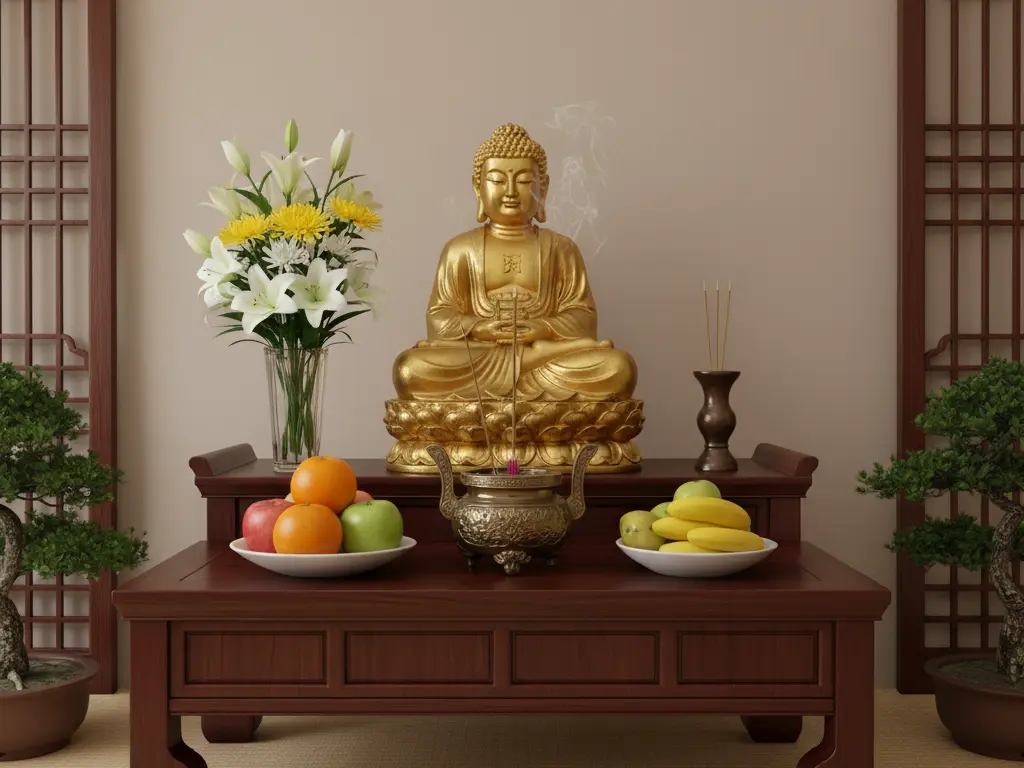
Completing the Altar
A statue should not stand alone. Surround it with the 4 elements:
- Fire: A candle or Liuli Lamp to illuminate wisdom.
- Air: Incense to carry prayers to the heavens.
- Water: A small cup of fresh water (changed daily) to symbolize abundance.
- Earth: Crystal Clusters or fresh flowers.
❓ Frequently Asked Questions
Q: What is “Kai Guang” (Eye Opening)?
A: Kai Guang is a traditional ceremony to “awaken” a statue. It involves painting the eyes or inviting the deity’s spirit into the vessel. At Buddha Bodhis, our statues are carved with reverence, but we recommend you perform a simple welcome ritual (intention setting) when it arrives.
Q: Can I mix Buddhist and Hindu statues?
A: Yes! In the East, Buddhism and Hinduism are deeply intertwined. It is very common to see Ganesh (remover of obstacles) placed alongside the Buddha (the enlightened one) on the same altar. They represent different aspects of the same universal truth.
Q: Can I put a statue in the bedroom?
A: Generally, no. The bedroom is a space for sleep and romance. To show respect, it is best to keep deities in public spaces like the living room or a dedicated meditation corner. If you have a studio apartment, you can use a screen divider or cover the statue at night.
Q: What if my statue breaks?
A: Do not be afraid. A broken statue often means it has absorbed a negative energy impact meant for you. It has done its job. Wrap it in red cloth and respectfully bury it or recycle it. It is time for a new one.
Explore our complete gallery of hand-carved sacred statues below.
📝 Curated by: Buddha Bodhis Spiritual Team