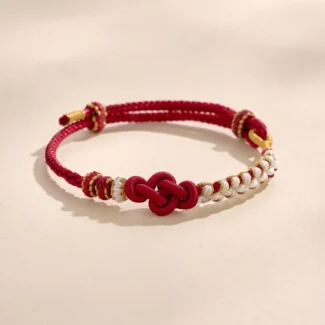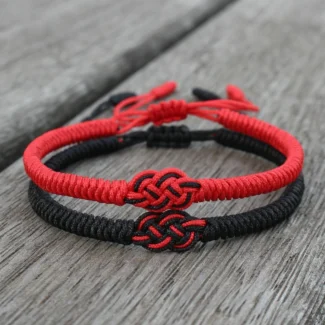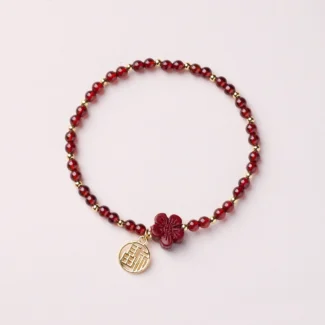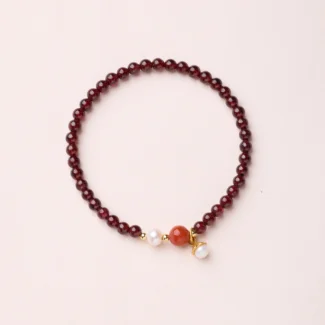



Mala beads are sacred tools used primarily in Buddhism and Hinduism for counting mantras, while a Rosary is a traditional Catholic instrument used for structured prayer and reflection. While both appear similar, they serve different religious paths and possess unique structural designs. We see many people wondering which one to choose for their personal spiritual journey.
- Malas typically consist of 108 beads, whereas a standard Catholic rosary has 59 beads.
- Malas focus on internal enlightenment and the “guru” connection, while rosaries center on the life of Christ.
- Traditional mala materials include Sandalwood and Bodhi seeds, while rosaries often use olive wood or glass.
- Both tools are powerful aids for quieting the mind and grounding the practitioner in a state of calm.
- Using these beads involves specific hand techniques that vary between Eastern and Western traditions.

What Are Mala Beads vs. Rosaries?
Definitions and Linguistic Roots
The term “Mala” is a Sanskrit word meaning “garland,” used for centuries in Eastern Japamala traditions. In contrast, the word “Rosary” comes from the Latin rosarium, which translates to “rose garden” or “garland of roses.” Both are globally recognized as prayer bead history highlights their shared lineage as tools for spiritual discipline. According to Wikipedia, these beads have appeared in various cultures for millennia. Ancient Prayer Traditions offer a glimpse into how humans have always used tactile tools to connect with the divine.
Basic Characteristics and Structure
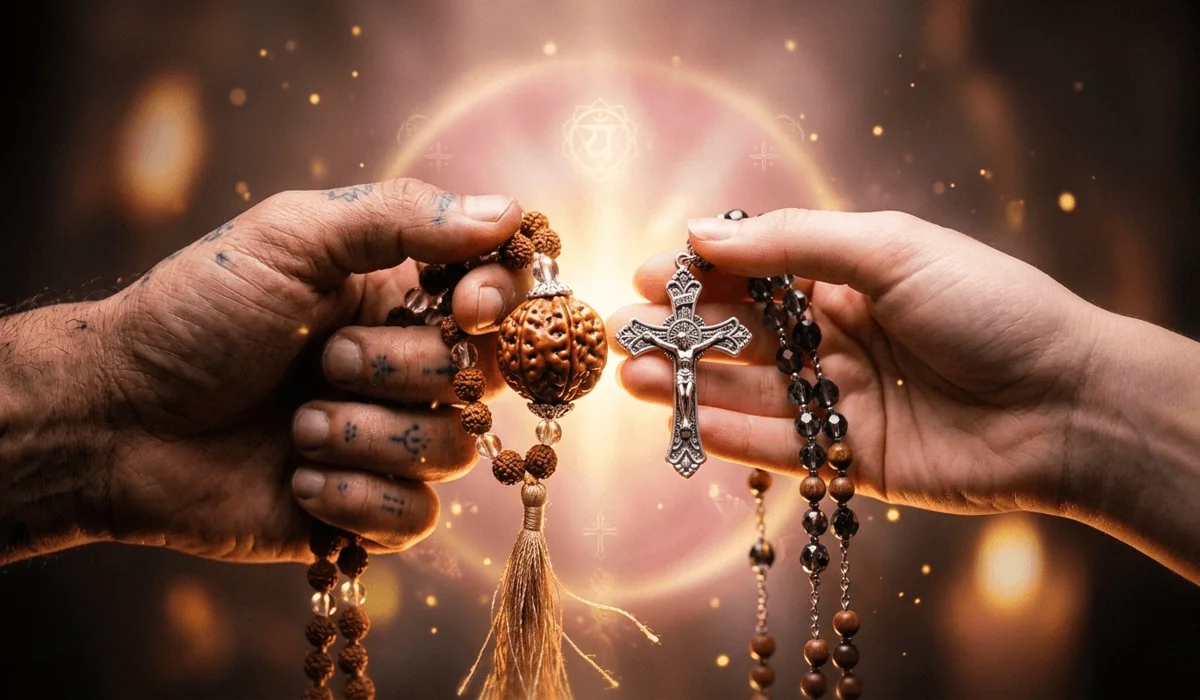
Buddhist prayer beads and Hindu prayer beads traditionally consist of 108 beads plus one larger “guru bead.” This central bead serves as a marker for the beginning and end of a meditation cycle. Catholic rosary beads are typically structured into five decades, which are sets of ten beads, with a crucifix at the terminal point. Both serve as tactile anchors, allowing the practitioner to track repetitions without conscious mental effort. In our experience, the weight and texture of the beads provide a comforting sense of presence during quiet moments.
Origin and Materials
Sacred jewelry origins for malas date back to the 8th century BC in India, later moving into Tibetan and Zen practices. The Christian rosary developed significantly between the 12th and 15th centuries, traditionally linked to Saint Dominic. Traditional materials for Buddhist malas include Sandalwood, Bodhi seeds, and Rudraksha. Rosaries often utilize olive wood, glass, or precious stones. When we source materials for our designs, we often look at Gem-A (The Gemmological Association of Great Britain) for quality standards. You can learn more about these standards through Gemstone Material Standards to ensure your beads are authentic.
Spiritual Meaning & Symbolism
Significance of 108 Beads in Mala Traditions
The significance of 108 beads represents the 108 earthly temptations or the 108 energy lines converging at the heart chakra. In Hindu traditions, 108 connects the individual self (1) with the void (0) and infinity (8). The beads act as a “spiritual anatomy” reflecting the journey toward enlightenment and self-realization. Many practitioners believe that finishing a full circle of 108 repetitions helps align their personal energy with the universe. Using Crystal Meanings & Healing concepts can further enhance this experience. We recommend looking into Healing Stone Energy to see how different materials impact your practice.
Symbolism of the Crucifix vs. Guru Bead
The symbolic meaning of the guru bead represents the student-teacher relationship and the starting point of a meditation cycle. The tassel symbolism on a mala represents the “thousand lotus petals” and the integration of the individual into the whole. Conversely, the crucifix on a rosary symbolizes the sacrifice of Jesus and the central mystery of the Christian faith. The “center medal” of a rosary often depicts the Virgin Mary or a specific saint, acting as a focal point for intercession. These symbols help the user stay focused on their specific religious or spiritual goals.
Cultural and Historical Context
Mala beads are deeply intertwined with the development of Yoga and Vedic philosophy. Rosaries represent a “spiritual sword” in monastic traditions and a “rose garden” of devotion in lay practice. Both tools have evolved from primitive “counting strings” into sophisticated instruments of spiritual devotion. They represent the human desire to keep a physical connection to the spiritual world while navigating daily life. We have found that many people appreciate the historical depth these tools bring to their modern routines.
Video source: YouTube
Author: FactsFlix
Original video link: https://www.youtube.com/watch?v=vrR8XOP3EOE
Benefits & Intentions Associated with Prayer Beads
Commonly Associated Intentions
Using prayer beads for anxiety and focus is a common experiential observation among modern practitioners. Practitioners often set intentions for peace, clarity, and compassion during their sessions. The rhythmic movement is believed to facilitate a transition into deeper brainwave states, such as gamma waves. This physical action provides a “mental anchor” that keeps the mind from wandering into stressful thoughts. Many of our customers report feeling a sense of relief just by holding their beads during a difficult day.

Mindfulness & Personal Practices
Mantra recitation with a mala is traditionally observed to help quiet the mind and center the breath. Prayer cycles with a rosary are intended to encourage contemplation of sacred mysteries and life lessons. The tactile nature of the beads provides a grounding sensation, helping to bring the practitioner back to the present moment. This practice is very effective for those who find sitting in silence difficult. By giving the hands something to do, the brain can finally slow down and focus on one single point of intention.
How to Wear and Use Prayer Beads
Holding Mala Beads vs. Rosary Correctly
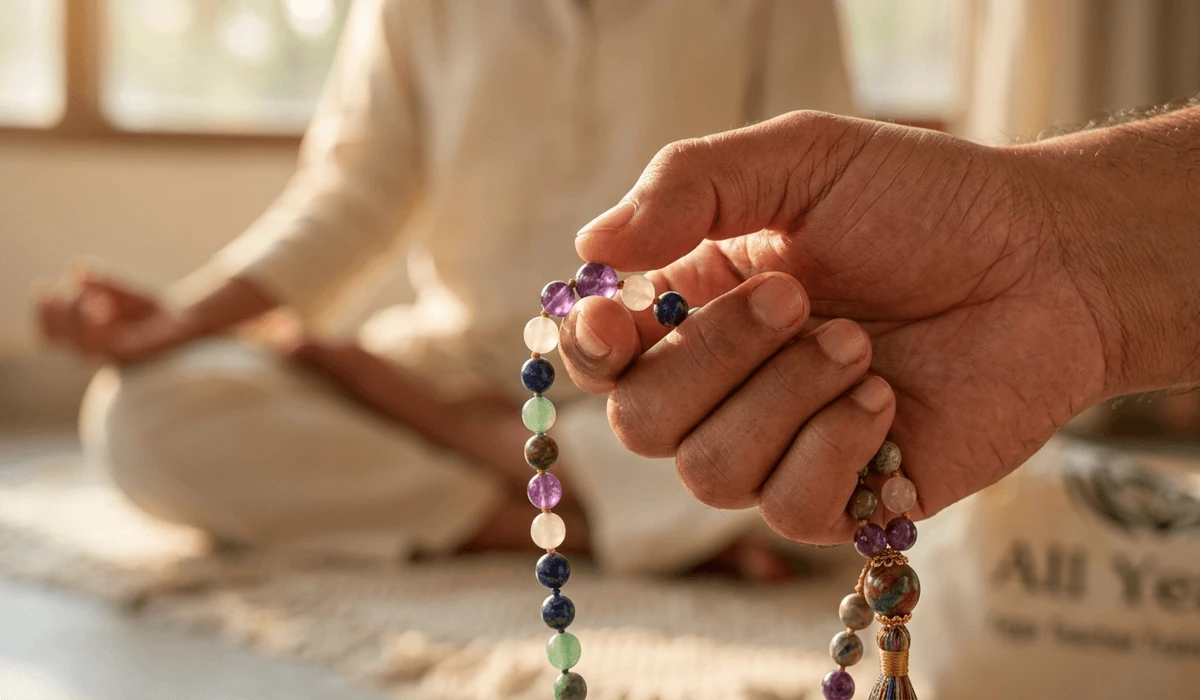
In Japamala traditions, one typically uses the thumb and middle finger to advance the beads, avoiding the index finger. The index finger represents the ego, so it is kept away from the sacred beads. When using a mala, one never crosses over the guru bead; instead, the practitioner turns the mala around to start a new cycle. A rosary is held between the thumb and fingers, beginning at the crucifix and moving through the decades. These movements become second nature over time, creating a fluid and meditative rhythm.
Left Hand vs. Right Hand (Feng Shui and Traditional Logic)
Malas are most commonly held in the right hand in both Hindu and Buddhist practices. Rosaries are often held in whichever hand feels most natural, though traditional depictions often show them in the right hand. Wearing beads on the left wrist is often associated with receiving energy, while the right wrist is for giving or protection. Many seekers find that wearing MALA BEADS helps them stay mindful throughout the workday. You can explore a variety of Sacred Prayer Beads to find the right fit for your wrist or neck.
Intention-Setting Practices
Before beginning, many practitioners hold their beads to their heart to prepare their energy. This simple act helps set a clear boundary between the busy world and your personal spiritual space. Many choose to wear their beads as a necklace or wrapped around the wrist as a “sacred reminder” throughout the day. If you want to use your beads on the go, you should check out the The Meaning and Significance of Wrist Mala Beads: A Guide to Mindfulness on the Go. Read more about Mindful Wrist Accessories to improve your daily practice.
Mala Beads vs. Other Sacred Counting Tools
| Feature | Mala Beads | Catholic Rosary |
|---|---|---|
| Bead Count | 108 + 1 Guru Bead | 59 Beads |
| End Piece | Tassel or Large Bead | Crucifix |
| Primary Use | Mantras & Meditation | Structured Prayers |
| Origins | India (Vedic/Buddhist) | Europe (Christian) |
108 Mala vs. 59 Rosary Beads
The primary difference between 108 mala and 59 rosary beads is the specific mathematical and theological structure. The 59-bead rosary is specifically calibrated for the “Decade” system of the Hail Mary and Our Father prayers. The 108-bead mala is designed for the repetition of 100 mantras, with 8 extra beads offered to the teacher or all sentient beings. This structural difference makes each tool better suited for its specific liturgy or meditation style. When choosing based on material value, GIA (Gemological Institute of America) provides excellent resources for identifying stones. Consult Gemstone Quality Identification to ensure your beads are made from high-quality crystals.
Mala Beads vs. Tasbih (Islamic Prayer Beads)
Tasbih or Misbaha typically consist of 99 beads, representing the 99 names of Allah, or 33 beads for shorter cycles. Like the mala, the Tasbih uses separators to divide the counts into manageable sections. While the materials may be similar, such as wood or stones, the intention shifts from enlightenment to dhikr, or the remembrance of God. This shows how universal the concept of prayer beads is across different cultures and religions. It highlights our shared human desire for structured spiritual practice.
Who Is Each Practice Suitable For?
Alignment with Spiritual Paths
Mala beads are ideal for those following a path of Yoga, Buddhism, or secular mindfulness. Rosaries are the traditional choice for those within the Catholic, Anglican, or Lutheran denominations. Individuals seeking “interfaith” tools often find comfort in the shared history of these sacred counting tools. We believe that the intention behind the practice is often more important than the specific religious label. Choosing a tool that feels right in your hands is the first step toward a consistent practice.
Lifestyle and Personal Intentions
Choosing prayer beads for spiritual practice often depends on whether one prefers structured, established prayers or fluid, personal mantras. Those dealing with high stress may prefer the rhythmic, tactile “bead-pulling” of a mala. Traditional materials for Buddhist malas, like Sandalwood, provide an olfactory benefit through their scent that may appeal to sensory-focused practitioners. Many people find that the aromatic quality of wood beads helps them relax faster during meditation sessions. We often recommend these for beginners who struggle with staying focused.
How to Cleanse, Charge, and Care for Your Beads
Cleansing Methods
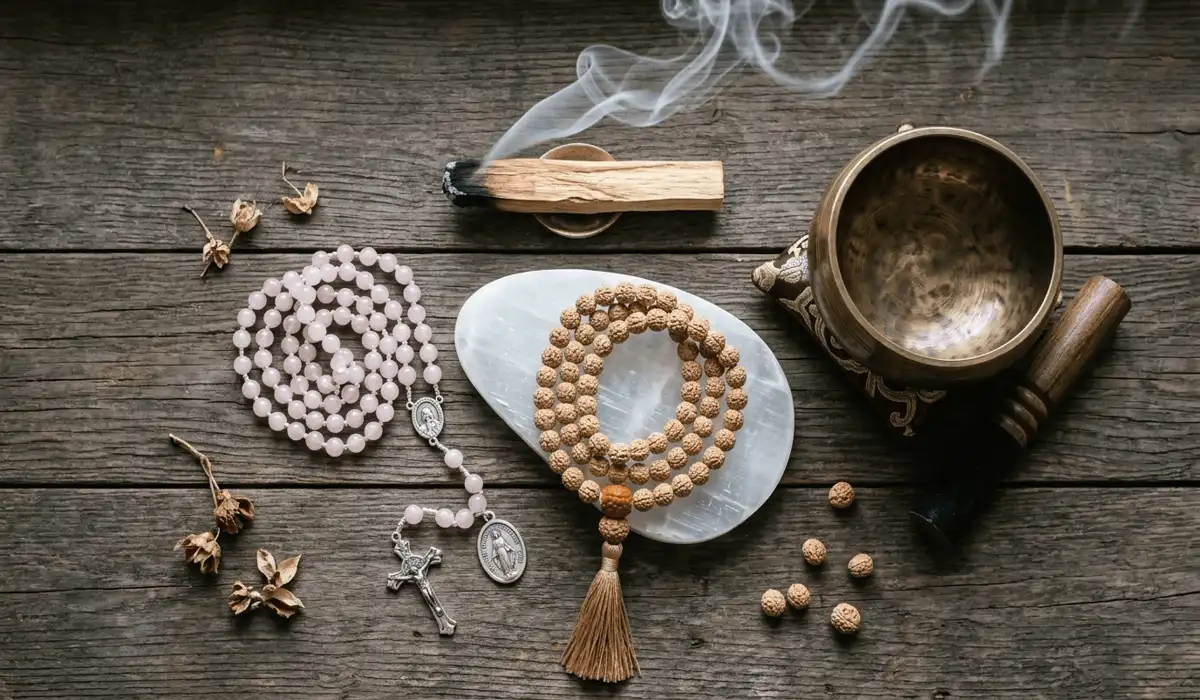
A calm approach to cleansing involves using sound, such as singing bowls, or smoke from incense to refresh the energy of the beads. For crystal beads, placing them on a Selenite plate is a gentle way to maintain their vibrancy. It is important to know the material of your beads before using water, as some seeds can be sensitive. We suggest doing a quick check to see if your beads can handle moisture before starting any deep cleaning. Keeping your tools physically clean also reflects your respect for their spiritual purpose.
Charging Practices
Setting intentions under the moonlight is a common tradition for “recharging” the spiritual resonance of the stones. Keeping the beads in a dedicated pouch or “gomukha” bag helps maintain their energetic integrity. Respecting the tool by not placing it on the floor or in disrespectful locations is a universal practice across traditions. We always advise our clients to treat their beads as sacred objects rather than just jewelry. This mindfulness helps maintain the positive energy you build during your meditation sessions.
Frequently Asked Questions
Q: What is the main difference between mala beads and a rosary?
A: The main difference is their origin and structure: Mala beads consist of 108 beads and are rooted in Hindu and Buddhist traditions, while a Rosary has 59 beads and is used for Catholic prayers and contemplation of Christ.
Q: Can a Catholic or Christian use mala beads for prayer?
A: Yes, many Christians use mala beads for repetitive prayers like the Jesus Prayer, though many still prefer the traditional rosary to stay aligned with their specific church traditions.
Q: Is it considered cultural appropriation to wear mala beads?
A: It is generally seen as a sign of respect when worn with mindfulness and an understanding of their history; however, wearing them purely for fashion without honoring their roots can be seen as disrespectful.
Q: Which hand should you use to hold your prayer beads?
A: In Mala traditions, the right hand is strictly used and the index finger is avoided; for the rosary, there is no formal rule, though the right hand is most common in practice.
Q: Why do mala beads have 108 beads?
A: The number 108 is sacred in Eastern traditions, representing earthly temptations, energy lines in the body, and the mathematical relationship between the earth, sun, and moon.
Conclusion & Gentle Next Step
Whether you choose the 108 beads of a mala or the 59 beads of a rosary, both serve as powerful bridges between the physical and spiritual worlds. Understanding the key differences and symbolism allows you to approach your practice with deeper respect and clearer intention. Both traditions emphasize that the power is not just in the beads themselves, but in the devotion and focus of the person holding them. We invite you to explore our collection of mindfully crafted tools to find the strand that resonates with your current journey. Let these sacred beads be a constant companion on your path to peace.
We hope this guide helps you choose the right prayer tool for your spiritual needs. Remember that the most important part of any practice is your own heart and sincerity. Find a Mala that speaks to you and start your journey today.
This content is provided for informational and cultural exchange purposes only. It does not constitute medical, legal, financial, or other professional advice. Readers should consult with qualified professionals if they have specific needs or questions regarding their practice or health.

Written by the Buddha Bodhis Team
Since 2020, we have been devoted to exploring traditional year-based wisdom, classical Feng Shui principles, and the rich spiritual symbolism rooted in Eastern cultural heritage. Our work bridges ancient metaphysical systems with modern life, interpreting annual cycles, elemental energies, and symbolic meanings to offer thoughtful insight and practical guidance. Through continuous research and practice, we aim to preserve traditional knowledge while making it accessible, relevant, and meaningful for contemporary seekers of balance, intention, and personal growth.
TikTok | YouTube | Pinterest | X
buddhabodhis@gmail.com