



The allure of the Nishikigoi, or koi fish, is immediate and captivating. We see them as living jewels, graceful mosaics of vibrant color moving with deliberate strength through tranquil waters. Yet, to appreciate the koi on this aesthetic level alone is to miss the profound spiritual narrative it carries—a story that has resonated through centuries of Eastern philosophy.
This ancient creature is not merely a fish; it is an archetypal symbol for the human spirit’s journey. It represents a living testament to the power of perseverance against overwhelming odds, a core philosophy that has guided seekers, warriors, and sages alike. Its story is our story, a powerful metaphor for navigating the currents of our own lives.
The Koi fish is a profound symbol of luck, perseverance, and abundance, rooted in an ancient Chinese legend of a fish that transformed into a dragon. Its upstream battle represents the courage to overcome adversity, making it a powerful talisman for success, spiritual growth, and personal strength. It is a reminder that our greatest potential is forged in the crucible of our greatest challenges.
- ☸️ Primary Meaning: Perseverance, Strength in Adversity, Courage
- 🕉️ Secondary Meanings: Good Fortune, Success, Abundance, Longevity, Ambition
- 🧿 Associated Concepts: Spiritual Transformation, Realized Potential, Harmony (Yin-Yang)
- 🌸 Cultural Roots: Chinese Taoism, Japanese Zen Buddhism, Feng Shui
Table of Contents
The Ancient Origins & Sacred Legends: Journey to the Dragon Gate
To truly understand the koi’s spiritual weight, we must journey back to its mythological source. The symbol is not an arbitrary assignment but a narrative earned through a legendary trial that has been told and retold for generations, forming a cornerstone of Eastern folklore and philosophy.
The Primordial Myth: The Dragon Gate of the Yellow River
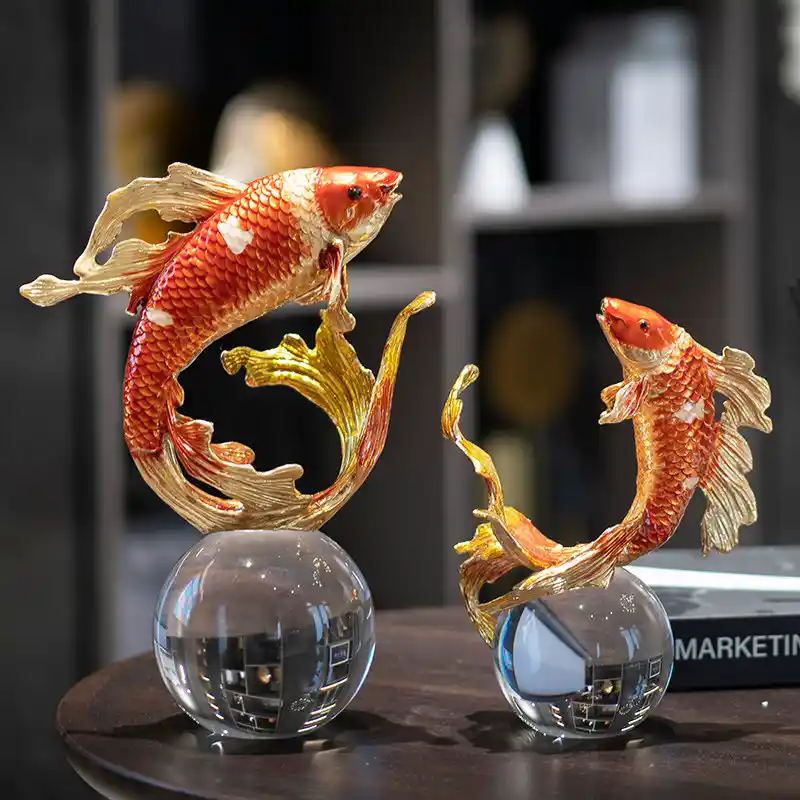
An ancient Chinese legend tells of a school of golden koi swimming upstream against the Yellow River’s strong current. This difficult journey represents the collective struggle of all beings against the challenges and circumstances of life. Thousands of fish fought the torrent, their bodies gleaming like a river of gold.
The path was arduous, but the ultimate trial was a thundering waterfall known as the ‘Dragon Gate.’ Its cascading force seemed an insurmountable obstacle, and most of the koi, exhausted and discouraged, turned back to be swept away by the current. This moment in the legend symbolizes the point of greatest resistance where many abandon their highest goals.
Yet, a courageous few persevered. They gathered their strength, focused their will, and leaped from the churning water, attempting to clear the top of the falls. After a hundred years of trying, one single koi finally made the incredible leap. The gods, witnessing this profound display of determination, rewarded it by transforming it into a magnificent, powerful dragon—the ultimate symbol of worldly and spiritual success.
The story of the Dragon Gate is the absolute core of the koi’s meaning. It establishes the foundational philosophy: The Koi represents the profound truth that perseverance through adversity leads to profound transformation and the realization of one’s highest potential. The
dragon is not an external reward, but the koi’s own actualized self, earned through unwavering resolve.
The Cultural Roots: Taoism, Buddhism, and Feng Shui
This powerful myth was integrated into the major philosophical systems of the East. In Chinese Taoism, the koi’s journey paradoxically reflects the principle of ‘Wu Wei’ (effortless action). It is through immense, focused effort and a deep alignment with its own nature—its ‘Tao’—that the koi achieves a seemingly impossible transformation, embodying the harmony of strength and fluidity.
In Japanese Zen Buddhism, the ‘Nishikigoi’ became a potent symbol for the samurai spirit. It represented bravery, fortitude, and the honorable acceptance of one’s fate. Legend holds that a koi, if caught and placed on the cutting board, will face the blade without a single flinch—a powerful allegory for a warrior’s composure and dignity in the face of death.
Within the practice of Feng Shui, the koi is a foundational element. It embodies the auspicious flow of ‘Chi’ (life force energy) and is inextricably linked to the Water Element, which governs wealth, career, and the flow of opportunities into one’s life. We find this wisdom echoed in many of our Symbolism & Culture guides, where elemental energy is key.
The Hidden Philosophy: Decoding the Koi Fish Symbolism
Beyond the legend, the very form and behavior of the koi are rich with symbolic meaning. Each aspect of the fish offers a lesson in resilience, wisdom, and the balance required to navigate the complexities of existence. As researchers, we see these layers as a spiritual text written in the language of nature.
Core Tenet: Perseverance as a Catalyst for Transformation
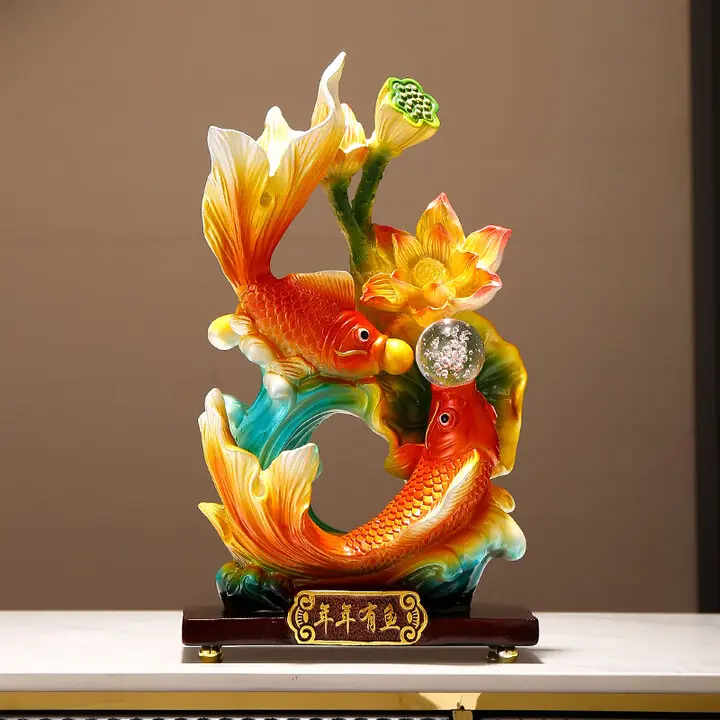
The image of the koi swimming upstream is its most potent teaching. It represents a conscious and courageous choice to face life’s challenges head-on, rather than being passively carried by the currents of circumstance. This struggle is not seen as a punishment but as the very mechanism that builds the strength needed for the next phase of growth.
The dragon, its ultimate form, is not a separate being but the koi’s own enlightened and fully realized self. This communicates a profound spiritual truth: our highest power and truest form are not granted freely but are earned through our trials. The dragon is the embodiment of both material and spiritual success that comes from refusing to give up.
Visual Deconstruction of the Symbol
We can break down the koi’s anatomy to reveal deeper symbolic layers. The shimmering scales represent a suit of armor, offering resilience and protection against hardship. Their beautiful, overlapping pattern can also symbolize how our past efforts and experiences build upon one another to create future strength.
The whiskers, technically known as barbels, are sensitive organs the fish uses to navigate murky waters and find sustenance. Symbolically, they represent heightened awareness, wisdom, and the ability to sense subtle energies and opportunities that others might miss, allowing one to navigate life with intuition.
Perhaps most recognizable is the Yin-Yang archetype, often depicted as a pair of koi, one black and one white, swimming in a circle. This is a direct representation of the Taijitu, symbolizing the essential balance of opposing forces—masculine and feminine, light and dark, success and failure. It teaches that harmony and completeness in life are achieved by integrating, not eliminating, these dualities.
A Spectrum of Meaning: What Do Different Koi Colors Symbolize?
The symbolism of the koi is further enriched by its vast array of colors and patterns, each carrying a specific energetic frequency and intention. Selecting a koi color, whether for a pond, a piece of art, or jewelry, is a way of focusing its energy on a particular aspect of life. As curators at the Metropolitan Museum of Art note, these color variations have been prized for centuries in Japanese art.
Harnessing Koi Energy: Feng Shui Placement and Ritual
In Feng Shui, the koi is more than a symbol; it is an active tool for enhancing the flow of positive energy (Chi) within a space. The placement, number, and direction of koi imagery can be prescribed to manifest specific outcomes, from career advancement to a harmonious family life. This practice is about creating an environment that mirrors the abundance you wish to attract.
Directional Flow and The Significance of Numbers
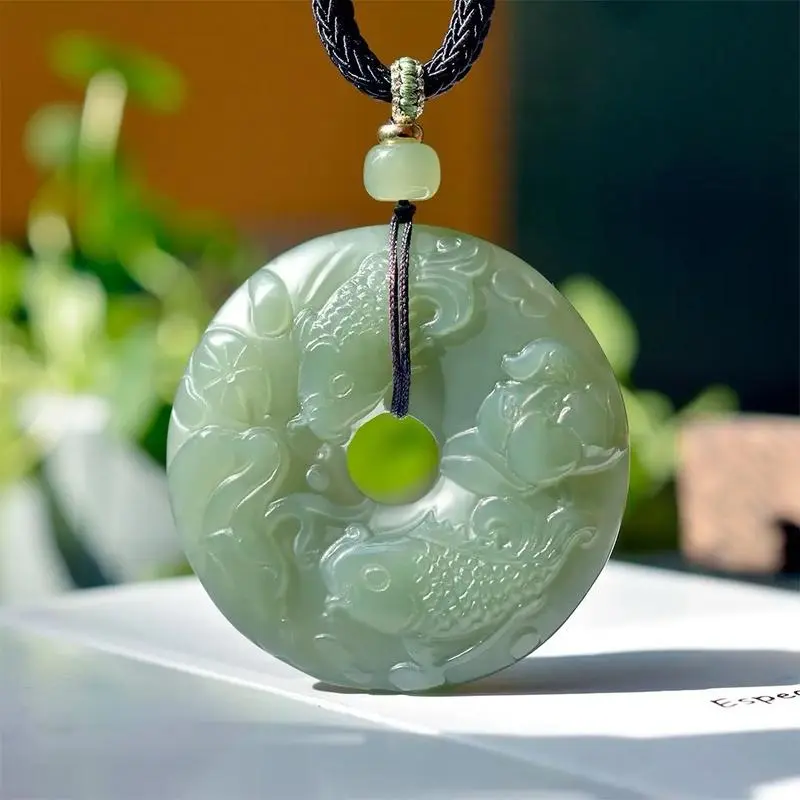
The direction the koi are swimming is paramount. For attracting wealth and success, artwork or statues should depict the koi swimming into your home or room, symbolizing prosperity flowing toward you. A depiction of koi swimming away from a door or window can symbolically represent wealth leaving the space.
Numbers are also a crucial energetic prescription. The most auspicious number of koi is nine, as it represents completion, attainment, and longevity. A traditional Feng Shui arrangement for maximum luck is eight brightly colored or golden koi with one black koi. The single black koi serves as a protector, absorbing any negative energy or bad luck that might threaten the prosperity brought by the others.
Other numbers have specific meanings. Two koi are a powerful symbol for love and a happy, harmonious union, directly referencing the Yin-Yang pair. Eight is also a highly auspicious number for wealth in Feng Shui traditions, while a single koi can represent a strong, independent journey toward achieving a singular, monumental goal. As leading practitioners at the Feng Shui Society emphasize, these prescriptions are about aligning symbolic energy with personal intent.
Why Wear Koi Fish Jewelry? A Talisman for Modern Life
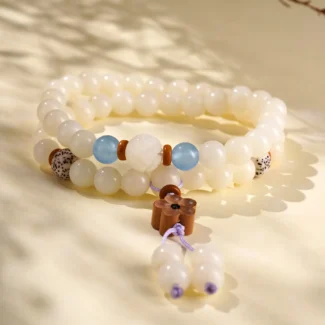
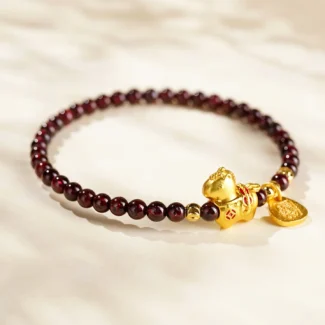
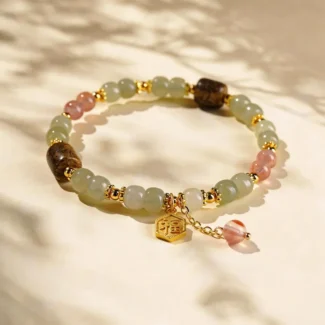
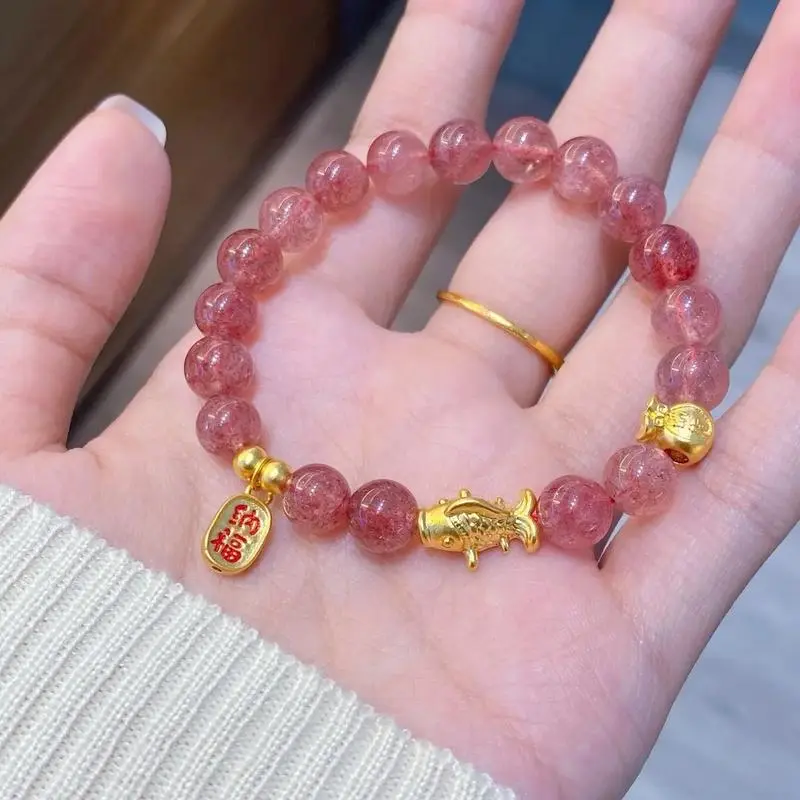
In a world of constant digital flux, relentless professional pressure, and the pervasive threat of burnout, ancient symbols gain new relevance. A piece of koi fish jewelry is not merely an accessory; it is a mindful anchor and a personal talisman of resilience. It serves as a tactile, ever-present reminder of one’s own inner strength and capacity to navigate turbulent waters.
A Symbol for the Ambitious Soul
For the entrepreneur starting a new venture, the student facing grueling exams, or the professional climbing the corporate ladder, the koi is the quintessential power symbol. It embodies the very essence of ambition, strategic struggle, and the courage to take the ‘leap’ toward a higher state of being. Touching a koi pendant before a critical meeting or presentation can be a powerful grounding ritual.
Wearing the koi is also a conscious act of energetic alignment. It is a daily declaration to yourself and the universe of your readiness to receive prosperity and your commitment to the journey required to achieve it. It shifts the mindset from “I wish for success” to “I am actively swimming toward my success.” We invite you to see KOI FISH (Collection) picks for this year that capture this potent energy.
In the modern context, the Koi is a powerful antidote to feelings of helplessness and burnout. It reframes challenges not as endpoints, but as necessary parts of a transformative journey. Wearing a koi symbol is a commitment to your own personal Dragon Gate, a constant
reminder that the strength to overcome is already within you.
Integrating the Koi Archetype into Daily Life
Beyond jewelry, the symbol can be integrated through daily practice. The Dragon Gate legend provides a perfect framework for a powerful visualization meditation. This practice helps to internalize the koi’s spirit of perseverance and connect with your own highest aspirations.
- Morning Intention Setting: Hold your koi talisman or look at an image of a koi. State your primary goal for the day or week, your “upstream” direction. Dedicate your efforts to swimming toward it with focus.
- The Dragon Gate Visualization: Before a challenging task, close your eyes for one minute. Visualize yourself as the koi, and the task as the waterfall. See yourself gathering all your strength and successfully making the leap. Feel the sense of accomplishment.
- Mindful Observation: If you have access to a pond or even a video of koi, spend five minutes simply observing their graceful, powerful movements. Notice how they navigate their environment with both strength and ease. Absorb this balanced energy.
- Gratitude for the Current: At the end of the day, reflect on the challenges you faced. Instead of seeing them as purely negative, reframe them as the “current” that is making you stronger. Be grateful for the opportunity to build resilience. Many explore this year related guides for similar alignment practices.
Frequently Asked Questions (FAQ)
As cultural researchers, we receive many questions about the nuances of koi symbolism. Here are our answers to some of the most common inquiries, grounded in historical context and spiritual application.
What is the spiritual lesson behind the koi’s transformation into a dragon?
The core spiritual lesson is that our greatest potential and highest self are not gifts but rewards earned through struggle. It profoundly teaches that adversity is not a cosmic punishment but a divine crucible designed to forge our character, test our resolve, and unlock our true power. The dragon represents the state of enlightenment, self-mastery, and ultimate freedom that is exclusively available to those who refuse to surrender when faced with overwhelming obstacles.
What does a pair of koi fish symbolize in relationships and love?
A pair of koi is a potent and beautiful symbol of a happy, harmonious, and faithful partnership. They are often depicted swimming together in a circle, forming a living representation of the Yin-Yang symbol. This signifies the perfect balance of two opposite but complementary energies—such as masculine and feminine—uniting to create a complete, whole, and dynamic relationship. It is a powerful talisman for both attracting a soulmate and strengthening the bond of an existing union.
What is the connection between koi fish and the yin-yang symbol?
The connection is direct, ancient, and visually explicit. As documented in historical texts, the Taijitu (Yin-Yang) represents cosmic balance. Two koi swimming in a circle, typically one black and one white, is one of the most popular artistic renderings of this concept. They perfectly embody its philosophy: the constant, dynamic flow of opposing universal forces and the idea that within each lies the seed of the other, creating a unified, harmonious whole.
In Feng Shui, what is the significance of the number of koi in a painting?
The number is a critical energetic component. Nine is the most powerful and auspicious number, symbolizing the zenith of prosperity, completion, and longevity. Eight is also exceptionally lucky for attracting wealth and abundance. Two koi are used specifically to enhance the energy of love, partnership, and fidelity. One strong koi represents an individual’s focused journey toward a significant personal or professional goal, embodying independence and singular determination.
Conclusion: Integrating the Wisdom of the Koi Fish
The story of the Koi fish is not a passive legend to be merely admired; it is a spiritual blueprint to be lived. It calls on us to re-evaluate our relationship with adversity, asking us not to wish for a life without currents, but to cultivate the inner strength to navigate the waters we are in with courage and grace.
Every individual, in every walk of life, faces their own unique waterfalls—the critical challenges that define our journey. The wisdom of the Koi is the profound understanding that these are not barriers to our path; they are the path itself. They are the Dragon Gates that offer us the chance for our most profound transformation.
To carry the essence of this powerful symbol, through art or a personal talisman, is to carry a constant, tangible reminder of your own limitless potential. Let its spirit be your guide as you swim against your own currents, ever onward, ever upward, toward the magnificent realization of your own becoming.

Cultural Researchers & Feng Shui Practitioners. We have been exploring traditional year-based wisdom and spiritual symbolism since 2020.