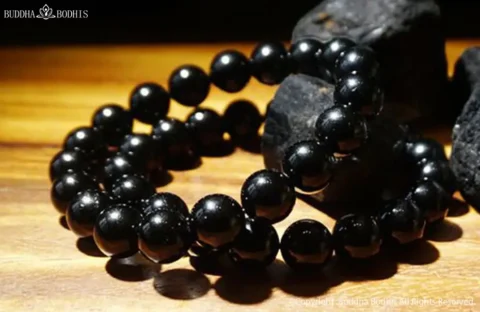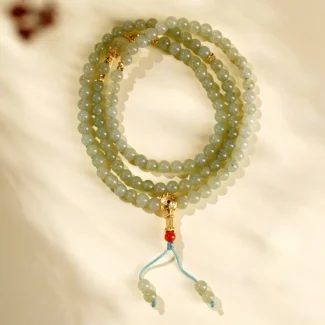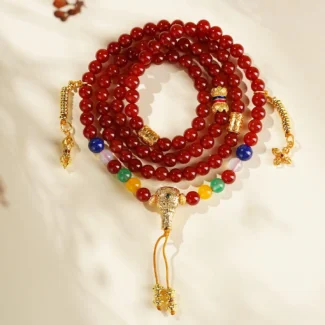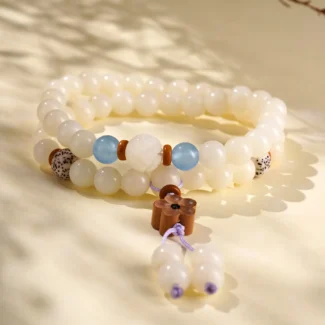




The natural pearl is a timeless and precious organic gem, a treasure born from the water. Its soft, luminous glow has captivated humanity for centuries, making it a symbol of elegance, purity, and sophistication. However, the world of pearls is also filled with imitations made from glass, plastic, or shell. For a buyer, distinguishing a genuine treasure from a convincing fake can be a daunting task.
How can you be sure you are investing in a real natural pearl? This comprehensive guide will walk you through the essential factors that determine pearl quality and price, and provide you with five simple yet effective tests to identify authentic pearls, so you can make your purchase with knowledge and confidence.
Table of Contents
✨ What is a Natural Pearl?
A natural pearl is formed organically inside the soft tissue of a living mollusk, such as an oyster or a mussel. This process begins when a tiny irritant, like a grain of sand or a parasite, accidentally lodges itself inside the mollusk’s shell. To protect itself, the mollusk secretes layers of a substance called nacre (pronounced NAY-ker), which is a composite of calcium carbonate and an organic binder. Over many years, these layers build up to form a lustrous pearl. As defined by encyclopedic resources like Britannica, it is this unique formation process that makes them organic gems.
Because this occurrence is completely random and rare in nature, wild natural pearls are incredibly scarce and valuable.

💰 The 6 Factors That Determine the Natural Pearl Price
The price of a pearl necklace can range from fifty dollars to tens of thousands. This vast difference is determined by a combination of six key factors.
- 1. Pearl VarietyDifferent types of pearls come from different mollusks and regions, each with its own value. The general hierarchy from most to least valuable is:
- South Sea Pearls: The largest and rarest, in shades of white, silver, and gold.
- Tahitian Pearls: Famous for their natural “black” color, with overtones of green, blue, and purple.
- Japanese Akoya Pearls: The classic, perfectly round white pearl, known for its superb luster.
- Freshwater Pearls: Cultivated in lakes and rivers, they come in a wide variety of shapes and colors.
- 2. SizeIn the world of pearls, size matters significantly. The larger the pearl, the rarer and more valuable it is. The growth period for a large pearl is much longer, and the production is far lower. A single millimeter increase in diameter can double a pearl’s price.
- 3. Shape (Roundness)The saying goes, “the rounder the pearl, the higher the price.” A perfectly round natural pearl is a rare gift of nature and is the most sought-after shape. Oval, drop, and baroque (irregular) shapes are more common and therefore less expensive, though they can be beautiful in their own right.
- 4. LusterLuster is the soul of a pearl and is arguably the most important value factor. It refers to the intensity and sharpness of the light reflected from the pearl’s surface. High-quality pearls have a bright, sharp luster where you can see your reflection clearly. A pearl with a dull, chalky, or dim luster has very little value. At Buddha Bodhis, we believe that a pearl without beautiful luster has lost its spirit.
- 5. Surface QualityBecause pearls are a natural product, they will almost always have some minor imperfections, sometimes called “birthmarks.” A pearl that is flawlessly smooth is exceptionally rare and commands a very high price. It is normal to find tiny blemishes on even the highest quality pearl strands.
- 6. MatchingFor pieces with multiple pearls, like a necklace or a pair of earrings, the quality of the matching is crucial. Finding two or more pearls that are nearly identical in size, shape, color, and luster takes considerable time and skill. A well-matched pair of pearl earrings can be worth more than double the price of the two individual pearls.
For a comprehensive breakdown of these value factors, the Gemological Institute of America (GIA) provides an excellent guide on Pearl Quality.

✅ How to Identify a Real Natural Pearl: 5 Simple Tests
With so many imitations on the market, knowing how to spot real vs fake pearls is essential. Here are five tests you can perform.
1. The Visual Inspection
- Shape and Size: Real pearls are rarely perfectly identical. In a strand, you will notice very slight variations in shape and size from one pearl to the next. A strand of perfectly identical spheres is a red flag for an imitation.
- Luster and Overtone: Real pearls have a deep, complex luster that seems to glow from within, often with subtle overtones of other colors (like pink or green on a white pearl). Fake pearls have a shallow shine that sits on the surface.
- Weight and Feel: Real pearls are denser than imitations and will feel cool to the touch for a few moments before warming to your skin. Plastic fakes will feel warm and lightweight.
2. The Friction Test (The “Tooth Test”)
This is a classic and reliable method.
- How to Do It: Gently rub one pearl against another, or (carefully) rub a pearl against the biting edge of your front teeth.
- The Result: A real natural pearl will feel slightly gritty or sandy due to the microscopic crystalline structure of the nacre. A fake pearl will feel perfectly smooth and will glide right past.
3. The Bounce Test
- How to Do It: Drop a pearl from a height of about 2 feet (60 cm) onto a glass surface.
- The Result: A real natural pearl has a surprisingly high bounce, rebounding to about half its drop height (around 1 foot or 35 cm). A fake pearl will have a much weaker bounce.
4. The Drill Hole Inspection
- How to Do It: Use a magnifying glass to examine the drill hole of the pearl.
- The Result: The drill hole on a real pearl will be sharp and clean. On a fake pearl, you may see a chipped or peeling coating around the edge of the hole, or the hole might have a melted or uneven appearance.
5. The Chemical Test (Use with Caution)
- How to Do It: Real pearls are made of calcium carbonate, which reacts with acid. You can place a tiny drop of acetone (nail polish remover) on an inconspicuous spot.
- The Result: On a fake pearl, the acetone may dissolve the surface coating, leaving a dull spot. On a real pearl, it will have no effect. Warning: This test can damage some imitations, so use it with extreme care and only if you are willing to risk damaging the piece.
Conclusion
A natural pearl is a timeless symbol of elegance and taste. By understanding the key factors that determine its quality and learning a few simple tests to verify its authenticity, you can navigate the market with confidence. Remember, a true pearl’s beauty lies not in its perfection, but in its unique, organic origin.
When you are ready to invest in a piece of genuine pearl jewelry, always choose a reputable vendor who is transparent about their sourcing and quality. For a curated selection of beautiful and authentic pieces, explore the collections at Buddha Bodhis.
Frequently Asked Questions (FAQ)
1. What is the difference between a natural pearl and a cultured pearl?
A natural pearl forms by accident in the wild without any human intervention. A cultured pearl is formed when a human intentionally inserts an irritant into a mollusk to stimulate nacre production. Almost all pearls on the market today are cultured.
2. What is the most expensive type of pearl?
Perfectly round, large South Sea pearls with high luster are generally the most expensive and valuable pearls in the world.
3. How can I tell a real pearl from a plastic one?
The friction test is the easiest way. A real pearl will feel gritty against your teeth, while a plastic pearl will feel perfectly smooth. Real pearls also feel heavier and cooler to the touch.
4. Is it okay if my pearls aren’t perfectly round?
Absolutely! Baroque (irregularly shaped) pearls are very popular and are often used by designers to create unique and artistic jewelry.
5. How should I care for my pearl jewelry?
Pearls are soft, so store them separately in a soft pouch to prevent scratches. Put them on after applying makeup, perfume, or hairspray. Wipe them with a soft cloth after each wear.
6. Can I wear my pearl necklace every day?
Yes, but with care. Avoid wearing them during strenuous activities or in the shower, as sweat and chemicals can damage their luster over time.
7. Does the “tooth test” damage the pearl?
If done gently on the biting edge of your front teeth, it will not harm the pearl. The gritty feeling is microscopic and will not leave a visible mark.
8. What are “imitation” pearls made of?
They are often made from a glass, plastic, or shell bead that is coated with a pearlescent substance to mimic the look of a real pearl.
9. Why is luster so important for a pearl’s value?
Luster is what gives a pearl its beautiful, inner glow. Without good luster, a pearl can look dull, chalky, and lifeless, regardless of its size or shape.
10. Is it better to buy a single pearl or a matched strand?
This depends on your preference. A single, high-quality pearl can be a stunning centerpiece in a pendant. A well-matched strand is a classic and versatile piece of jewelry, but the matching process adds to its cost.