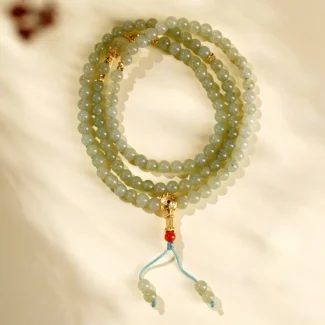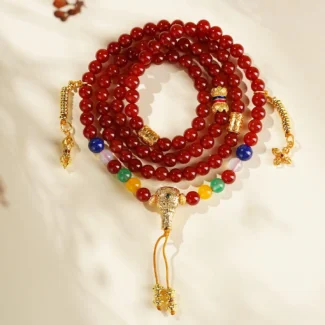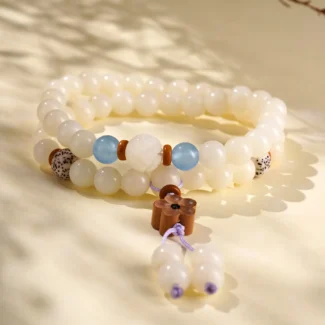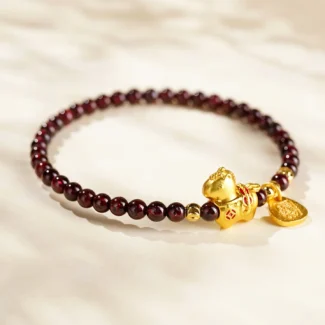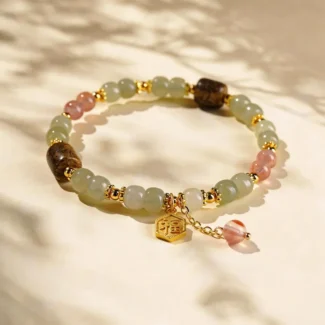


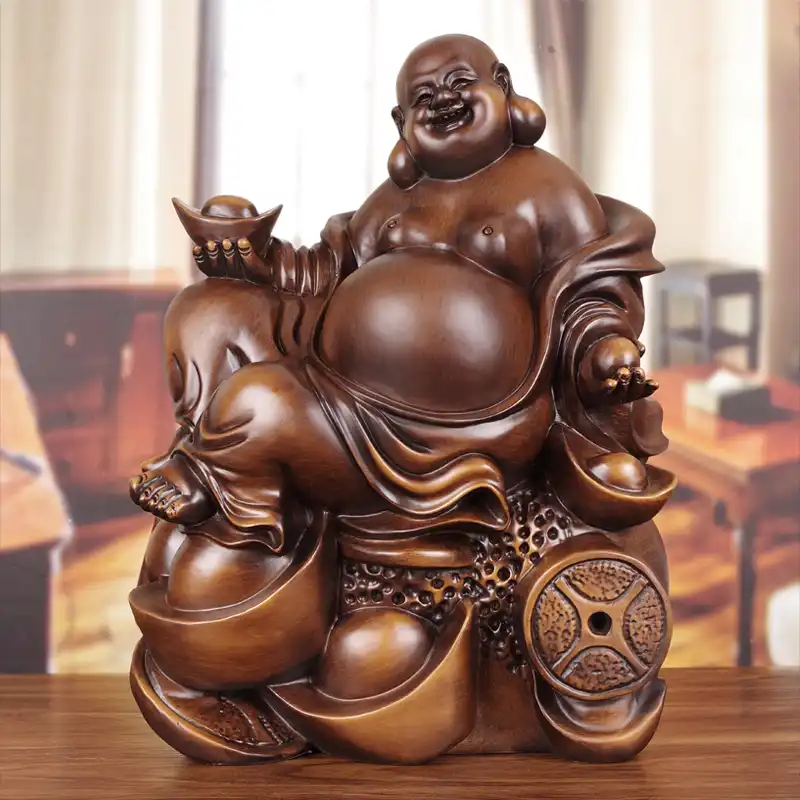

Jadeite Jade has been cherished for millennia, not just as a gemstone but as a spiritual stone imbued with profound meaning. Its inner light and deep, alluring colors have made it a symbol of purity, wisdom, and nobility. But for a new buyer, the world of Jadeite Jade can seem complex, with its own unique language for quality and value.
How can you tell a high-quality piece from a lesser one? This expert guide will demystify the professional standards used to evaluate Jadeite Jade, focusing on the crucial concepts of “Zhong Shui” (grade and transparency) and the five pillars of quality assessment.
Table of Contents
✨ Understanding “Zhong Shui”: The Soul of Jadeite Jade
In the world of jade, “Zhong Shui” is a fundamental concept that describes the stone’s internal texture (Zhong) and its transparency (Shui). Together, they determine the gem’s overall quality and feel. Here are the main grades, from most to least valuable:
- 💎 Glassy Grade : The highest and most coveted grade. The internal mineral particles are so fine that the texture is incredibly smooth and dense, giving it a clarity like a piece of glass. High-quality Glassy Jadeite Jade can be as transparent as crystal and is often colorless or a vibrant green.
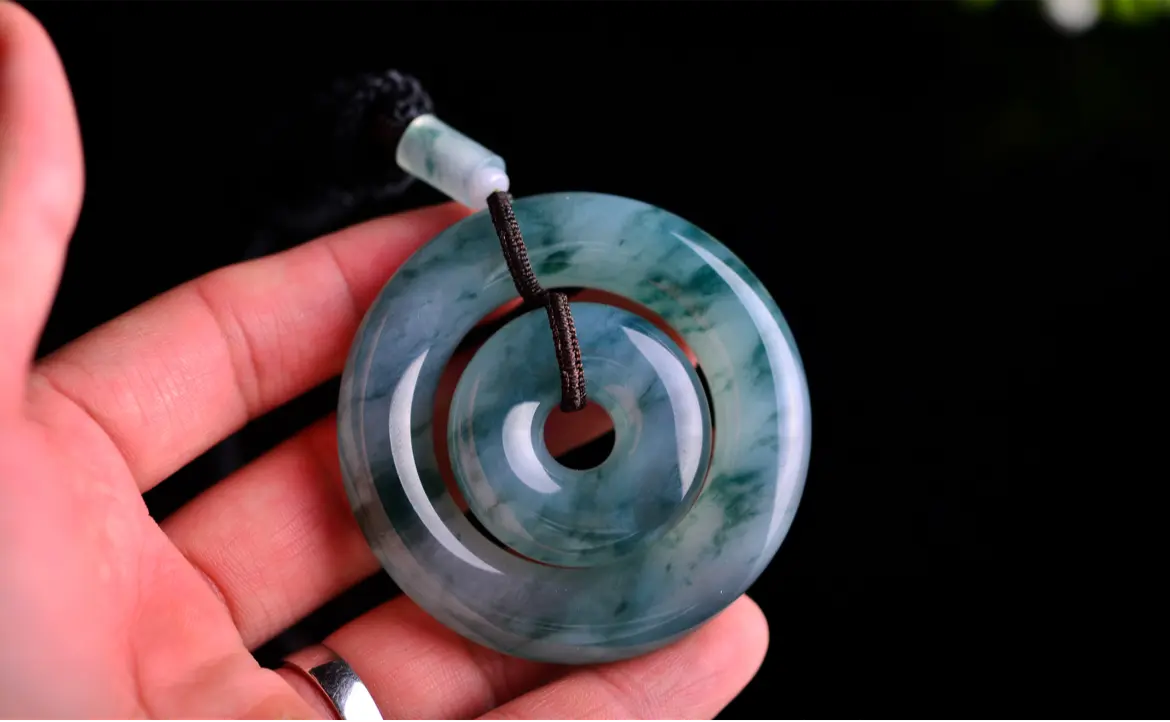
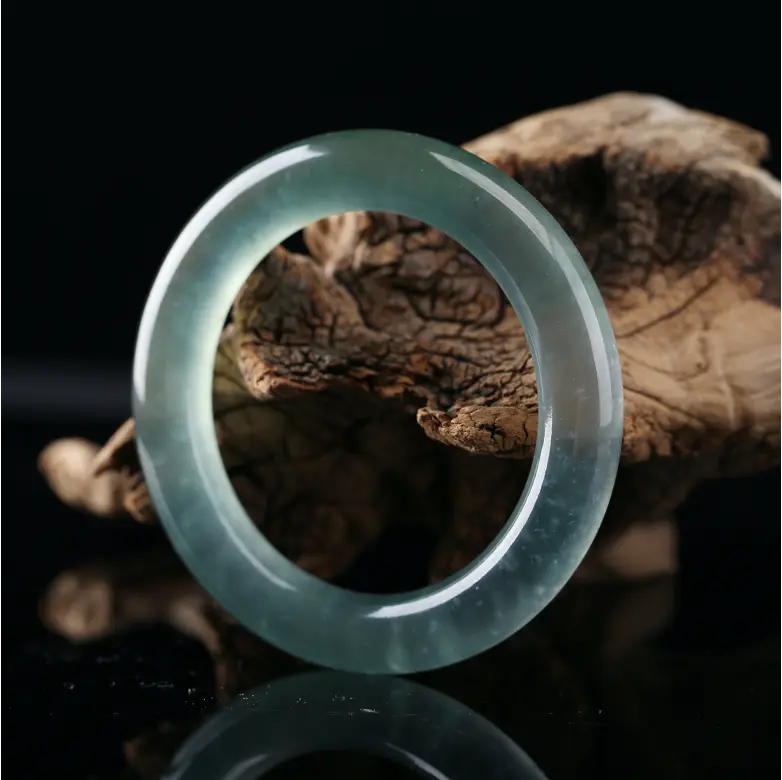
- 💧 Icy Grade : Just a step below Glassy, Icy Grade jade is transparent like ice with a brilliant, glassy luster. Its internal structure is very fine. While it can be colorless, it often contains slight inclusions or color, which can make it slightly less transparent than a pure Glassy piece.
- 🧊 Icy-Glutinous Grade : This is a transitional grade between Icy and Glutinous. It has a texture reminiscent of uncooked egg whites—semi-transparent with a fine, dense quality that is better than Glutinous but not as clear as Icy.
- 🍚 Glutinous Grade : This grade has a semi-translucent, jelly-like appearance with the fine, delicate texture of cooked glutinous rice soup. The crystal particles are not visible to the naked eye, and it has a soft, oily luster.
- 🎨 Bean Grade : The most common grade of Jadeite Jade. Its crystal particles are coarse enough to be visible to the naked eye, giving it a “bean-like” texture. It is semi-translucent to opaque and often has a rougher feel.
🌟 The 5 Pillars of Evaluating Jadeite Jade Quality
Beyond the general grade, experts use five specific criteria to assess the value of a piece of Jadeite Jewelry.
1. Zhong – The Grade and Internal Structure
This refers to the overall quality grade as described above. It is the foundation of the jade’s value, encompassing the fineness of its crystal structure. A finer structure results in better durability and higher potential for translucency.
2. Shui – The “Water” or Transparency
“Shui” describes the degree of transparency. A stone with good “water” will appear luminous and bright, as if light is flowing through it. High transparency significantly increases the value of Jadeite Jade.
3. Se – The Color
Color is one of the most critical factors. While jadeite comes in many colors (lavender, white, black), green is the most famous.
- Hue: The specific shade of green.
- Saturation: The intensity and richness of the color.
- Uniformity: How evenly the color is distributed.
The most valuable color is a vibrant, emerald-green known as Imperial Jade. According to the Gemological Institute of America (GIA), this top-quality color, combined with high transparency, is what gives jadeite its legendary status and commands the highest prices.
4. Di – The Foundation or Texture
“Di” refers to the quality of the jade’s underlying base, separate from the main color. It describes the fineness of the grain and the presence of any impurities or cloudiness. A clean, fine, and smooth foundation enhances the stone’s overall beauty.
5. Gong – The Craftsmanship
From a raw stone to a finished piece, jade undergoes an intricate process of cutting, carving, and polishing. The “Gong” or craftsmanship is crucial. A master carver can enhance a stone’s best features and hide its flaws, turning a good stone into a work of art. At Buddha Bodhis, we believe that exceptional craftsmanship honors the natural spirit of the stone.

🛡️ The Meaning and Care of Jadeite Jewelry
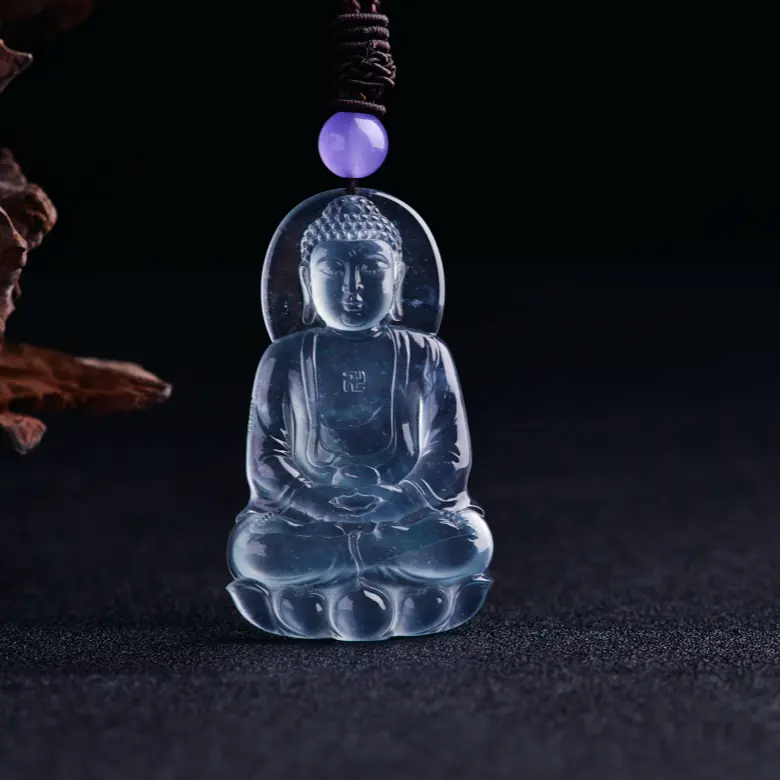
Jadeite Jade is considered a spiritual and protective stone, believed to bring harmony, good fortune, and health to its wearer. Each carved symbol can carry its own beautiful meaning. The historical and cultural importance of jade, especially in China, is a subject of deep study, as detailed by Smithsonian Magazine, which explores its connection to virtue and spirituality.
To maintain its beauty, proper care is essential:
- Avoid Impact: Jadeite Jade is hard, but a sharp blow can cause it to fracture. Be especially careful when wearing a jade bangle.
- Avoid Heat and Chemicals: Keep your jade away from high temperatures and harsh chemicals like strong acids or bases, which can damage its surface.
- Gentle Cleaning: When your jade gets dirty, simply clean it with lukewarm water and a soft cloth.
- Proper Storage: Store your Jadeite Jewelry separately in a soft pouch to prevent it from being scratched by other jewelry.
Conclusion
Understanding the quality of Jadeite Jade is a journey into a world of subtle beauty and profound tradition. By familiarizing yourself with the core concepts of “Zhong Shui” and the five pillars of evaluation—Grade, Transparency, Color, Texture, and Craftsmanship—you can select a piece with confidence and appreciation.
Whether you are choosing a gift or a piece for yourself, a high-quality piece of Jadeite Jade is more than an accessory; it’s a spiritual companion that carries centuries of heritage. For authentic, masterfully crafted pieces that honor this timeless tradition, explore the exquisite Jadeite Jade collection at Buddha Bodhis.
Frequently Asked Questions (FAQ)
1. What is the difference between Jadeite and Nephrite?
Jadeite and Nephrite are two distinct minerals both called jade. Jadeite is rarer, harder, and more valuable, known for its vibrant, translucent colors, especially Imperial Jade. Nephrite is more common, tougher (less prone to breaking), and has a softer, more opaque appearance.
2. What is the most valuable color of Jadeite?
The most valuable color is an intense, vibrant emerald green with a high degree of transparency, known as Imperial Jade.
3. What does “Zhong Shui” mean in jade?
“Zhong Shui” is a Chinese term that combines “Zhong” (the grade of the jade’s internal texture) and “Shui” (the “water” or degree of transparency). It is a key measure of a jadeite’s overall quality.
4. How should I clean my Jadeite jewelry?
Clean it gently with a soft cloth and lukewarm water. The American Gem Society (AGS) offers detailed guides on caring for precious gemstones, advising against harsh chemicals or ultrasonic cleaners.
5. Can I wear my Jadeite bangle in the shower?
It’s best to avoid it. While water itself won’t harm the stone, soaps and shampoos can build up on the surface and dull its luster over time.
6. What does it mean if my jade bangle breaks?
In many cultures, it is believed that if a jade bangle breaks, it has absorbed a significant negative impact or illness that was meant for you, thereby sacrificing itself to protect you.
7. Which hand should I wear a jade bangle on?
Traditionally, it is worn on the left wrist to receive its protective and nurturing energies, as the left side is considered closer to the heart.
8. Is Jadeite a good investment?
High-quality, certified Jadeite, especially Imperial Jade, has historically been a strong investment, with its value often appreciating over time due to its rarity and high demand.
9. How can I tell if Jadeite is real?
Genuine Jadeite is typically cool to the touch, quite dense, and hard. A “clink test”—gently tapping two pieces together—should produce a clear, bell-like tone. For certainty, a lab certificate from an institution like the GIA is the best proof.
10. What does Jadeite symbolize?
Jadeite Jade symbolizes purity, wisdom, harmony, and protection. It is believed to bring good fortune, health, and longevity to its wearer.