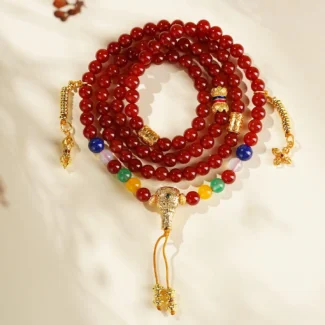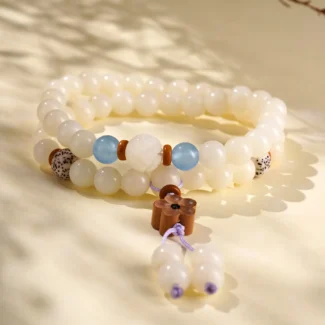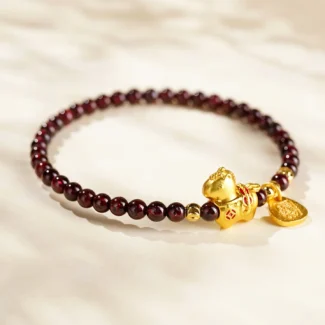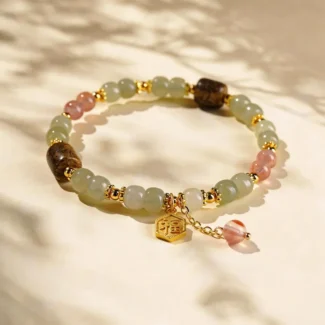



Safety rules for children’s jewelry focus on preventing choking hazards by using durable materials and proper sizing for young wearers. At Buddha Bodhis, we believe that spiritual beauty should never come at the cost of a child’s safety. This guide helps you navigate the world of meaningful gemstones while keeping your little ones protected through expert-backed safety standards.
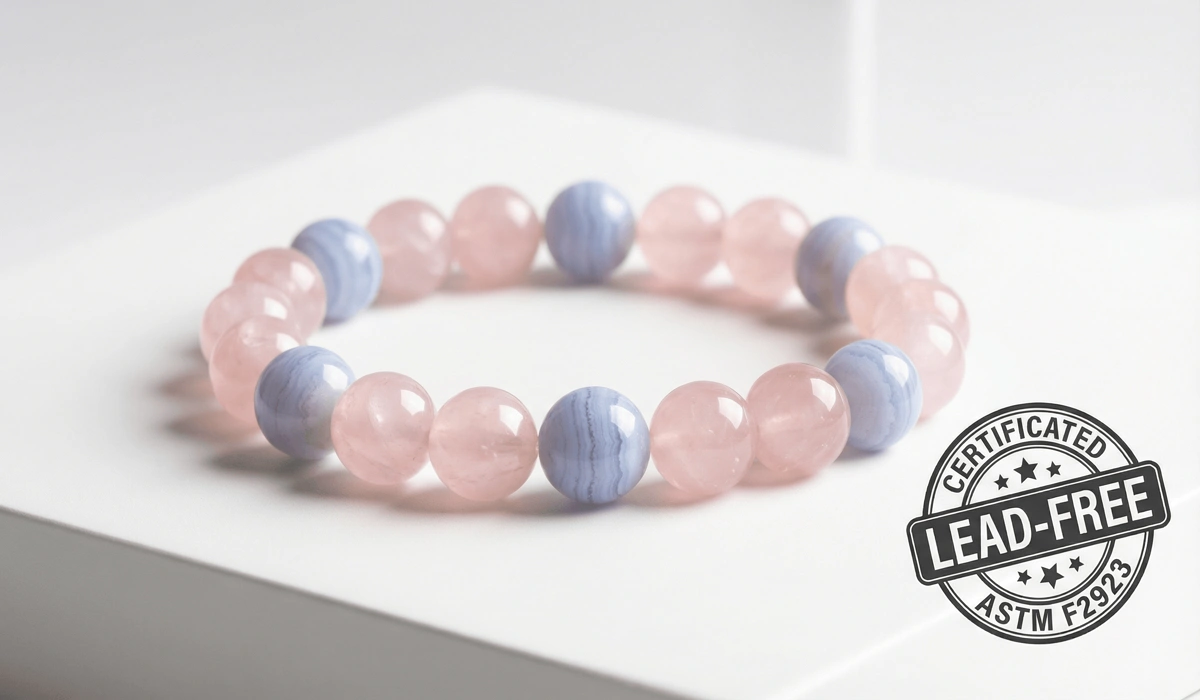
- Always supervise children under twelve when they are wearing jewelry items.
- Choose high-quality stretch cords or break-away clasps to prevent accidents.
- Ensure all gemstones are natural, non-toxic, and securely attached to the piece.
- Follow ASTM F2923 safety standards to guarantee mechanical and chemical safety.
- Remove all jewelry before naps, bedtime, or vigorous physical play.
What Is Children’s Jewelry Safety?
Definition of Safe Children’s Jewelry
According to CPSC guidelines, children’s jewelry refers to items designed primarily for kids aged twelve or younger. Safety in this context focuses on preventing mechanical risks like choking, strangulation, or the accidental aspiration of small parts. We prioritize these standards in our workshop to ensure every piece is as secure as it is beautiful.
Common Materials and Components
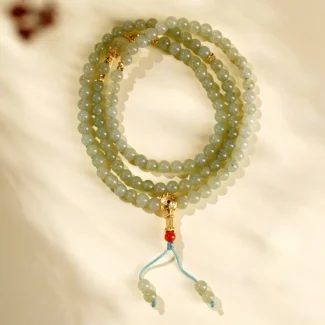
Safe materials for kids often include hypoallergenic sterling silver, medical-grade silicone, or thick nylon cord. Non-toxic gemstones are essential, and we recommend using natural, undyed stones that are professionally fastened. You can check for quality by feeling for smooth finishes and the absence of sharp edges that might snag clothing.
Safety-Conscious Jewelry Selection
Selecting durable stretch cord for kids bracelets ensures the jewelry can withstand active play without breaking easily. Responsible ownership starts with choosing the right sizes that fit snugly but comfortably to avoid catching on objects. Many parents look for Gemological Research Materials to verify the authenticity of the stones they choose for their children.
Spiritual Meaning & Symbolism
Traditional Symbolism for Young Wearers
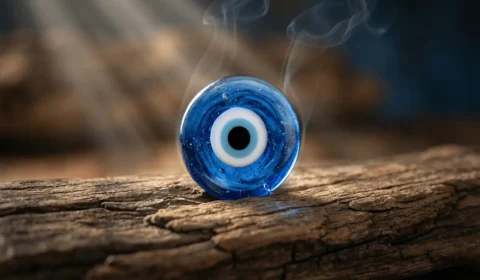
Across many cultures, jewelry for children has historically served as a powerful symbol of protection. Symbols like the “evil eye” (Nazar) are traditionally believed to ward off negative energy and keep the child’s spirit safe. These pieces often mark important milestones or spiritual rites of passage in a young person’s life.
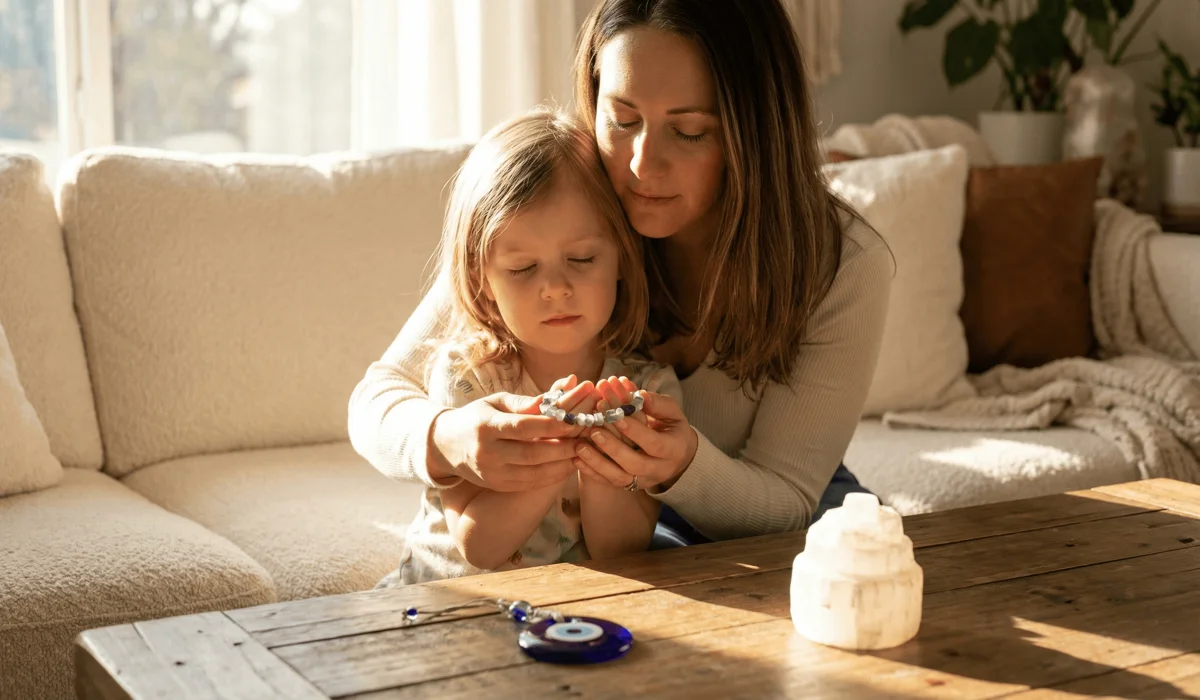
Protective Stone Meanings for Kids
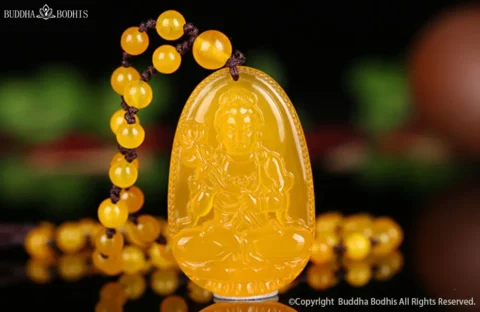
Natural stones for calm energy, such as Rose Quartz, are often chosen to help children manage their big emotions. Amethyst is another favorite, frequently associated with peace and mental clarity during school hours. According to our experience, Crystal Healing Properties provide a wonderful way to introduce children to the wonders of the natural world.
Cultural and Historical Context
Gifting a child their first bracelet is a gesture of blessing in many traditions, representing a wish for long-term harmony. Spiritual jewelry bridges the gap between ancient heritage and modern mindfulness practices. Parents often set positive intentions into the stones, creating a physical reminder of love that the child carries all day.
Benefits & Intentions Associated with Children’s Jewelry
Commonly Associated Intentions
Many families use crystal jewelry to set a positive tone for the day, focusing on themes like courage or kindness. The physical presence of a bracelet can act as a grounding tool for a child who feels overwhelmed. We have found that these tactile objects provide a sense of security during transitions like starting a new school year.
Mindfulness & Personal Practices
Wearing jewelry can be part of a daily mindfulness routine where children learn to value their special stones. This practice encourages an early appreciation for nature and the energy of the earth. Teaching a child to pause and breathe while holding their bracelet helps foster important emotional regulation skills early in life.
How to Wear Children’s Jewelry Safely
Age-Appropriate Placement and Logic
In various traditions, the left hand is considered the receiving side for energy, making it a popular choice for calming stones. Bracelets must be sized so they cannot slip over the hand, which reduces the risk of the child removing and mouthing the beads. For toddlers, we suggest jewelry only be worn during special events under direct visual supervision.
Safety Rules for School and Play
When wearing bracelets at school, ensure they are low-profile and do not have dangling charms that could snag on playground equipment. Break-away clasps are essential safety features for any necklace or tight-fitting piece to prevent injury if the item is pulled. You can explore Kids Jewelry options that prioritize these safety mechanisms while maintaining high aesthetic standards.
Intention-Setting Practices
Parents can help children prepare their jewelry by sitting quietly together and thinking of a happy thought or goal. This teaches children that jewelry is a tool for mindfulness rather than a toy to be played with roughly. Setting intentions should always happen in a calm environment to help the child associate the piece with peace and safety.
Children’s Jewelry vs. Similar Items
| Feature | Spiritual Kids Jewelry | Toy Jewelry |
|---|---|---|
| Materials | Natural Stones & Sterling Silver | Plastic & Base Metals |
| Safety Standard | ASTM F2923 (Jewelry) | ASTM F963 (Toys) |
| Purpose | Mindfulness & Symbolism | Costume Play |
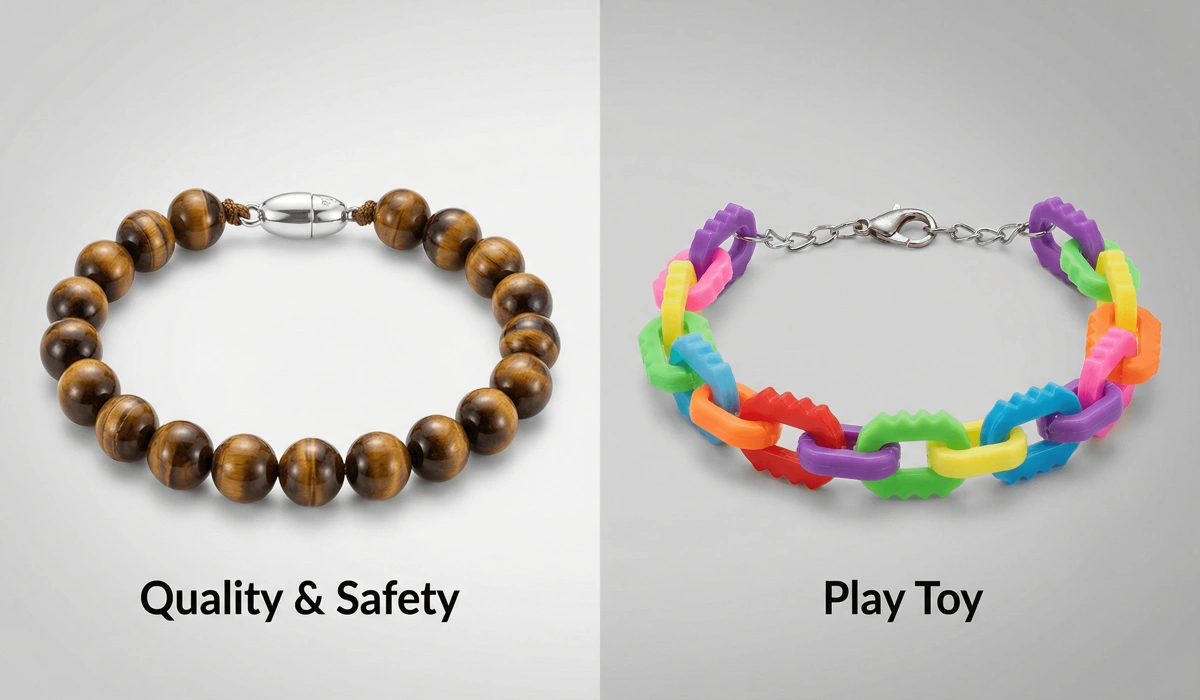
Spiritual Children’s Jewelry vs. Toy Jewelry
Authentic spiritual jewelry uses natural stones and hypoallergenic metals, while toy jewelry often contains plastic or lead. Jewelry must meet strict mechanical standards, whereas toys are tested for their play value and durability during rough use. Spiritual pieces are meant to be cherished as tools for intention, not treated as disposable playthings.
Kids Bracelets vs. Adult Jewelry
Children’s pieces are specifically scaled for smaller wrists to prevent the jewelry from falling off and becoming a hazard. Kids’ items often use reinforced cord or safety clasps that are not always standard in adult fashion. Furthermore, children’s jewelry has much stricter legal limits on lead and cadmium content than adult items, as noted by Fine Jewelry Experts in the industry.
Who Is Children’s Jewelry Suitable For?
Energy and Alignment
Jewelry is suitable for children who show a genuine interest in the colors and textures of natural crystals. It is ideal for those who benefit from a physical touchstone to help them focus during social activities. Families looking to introduce spiritual concepts in a practical way find these pieces to be excellent teaching tools.
Lifestyle & Personal Intentions
Jewelry is best for children who understand that these items are not for putting in the mouth, typically around age three. It suits active children when designed with durable materials and break-away features. For those interested in the cultural history of adornment, Luxury Jewelry Trends often show how meaningful pieces are passed down through generations.
How to Cleanse, Charge, and Care for Children’s Jewelry
Cleansing Methods
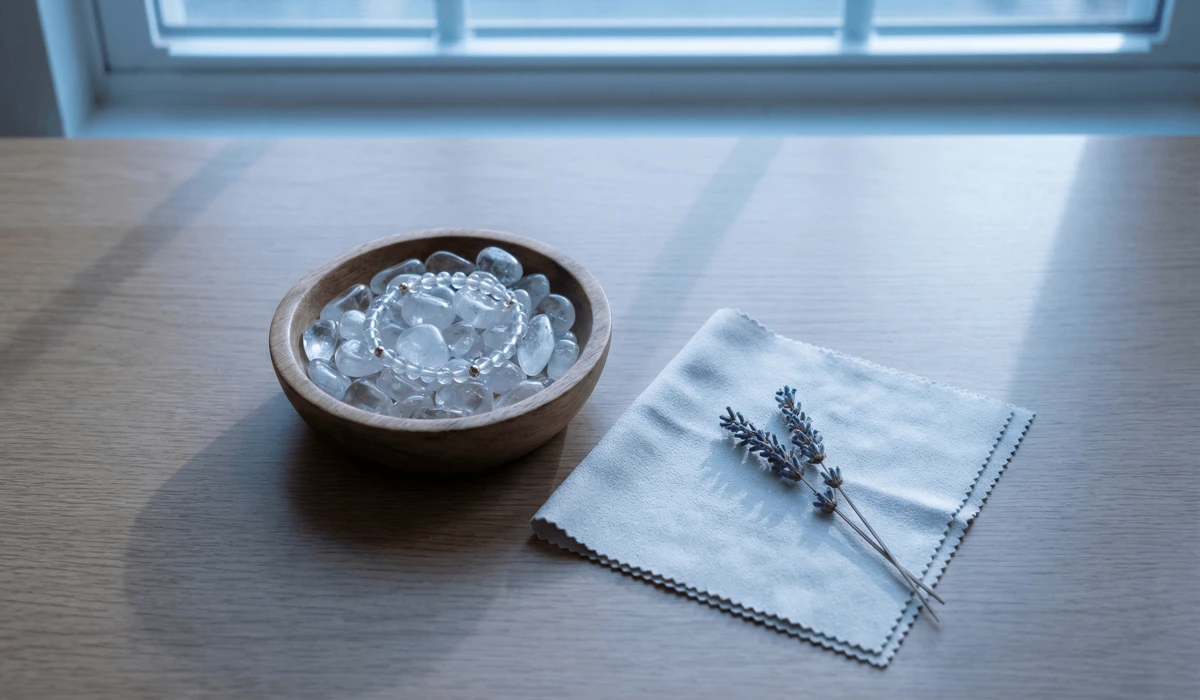
Cleaning kids’ spiritual bracelets should be done gently with a soft, damp cloth to remove oils and dirt. To cleanse the energy, you can use “smudging” with lavender or place the piece near a Selenite crystal. Avoid harsh chemicals, as they can damage natural stones and weaken the internal cord.
Charging Practices
To recharge the stones, place them in the light of a full moon on a windowsill for a gentle energy refresh. Children can participate by placing their bracelet in a charging bowl filled with clear quartz stones. Avoid leaving jewelry in hot, direct sunlight for too long, as this can cause colors like Amethyst to fade.
Daily Care & Storage
Store children’s jewelry in a separate fabric pouch to prevent scratching or tangling. Regularly check for loose beads or frayed cords, and remove the item from use immediately if you find damage. If you are interested in how to care for more complex items, you might want to read about Traditional Wealth Symbols and their specific maintenance needs.
Frequently Asked Questions
Q: At what age is it safe for a child to wear a bracelet?
A: While there is no single legal age, safety experts generally recommend waiting until a child is at least 3 years old to reduce choking risks, and even then, only under supervision. For children under 3, jewelry should only be worn for short periods during supervised photos or events.
Q: How do I check if my child’s jewelry is lead-free?
A: The most reliable way is to look for a Children’s Product Certificate (CPC) from the manufacturer, which proves the item was tested by a CPSC-accepted lab. Avoid prizes from vending machines or very cheap metallic jewelry, as these have a higher risk of containing lead.
Q: Why are magnetic clasps considered a safety risk for children?
A: Magnetic clasps pose a severe internal injury risk if a child swallows more than one magnet. If a bead or clasp containing a magnet becomes loose, it creates a dual hazard of choking and internal tissue damage.
Q: How can I safely cleanse the energy of my child’s bracelet?
A: A safe and effective method is using sound (like a singing bowl or bell) or placing the jewelry on a bed of sea salt (making sure the salt doesn’t touch porous stones). Avoid water-cleansing if the jewelry uses silk or elastic cord, as moisture can weaken these materials.
Q: What should I do if a bead on my child’s bracelet becomes loose?
A: Immediately remove the jewelry from the child’s reach. Do not attempt a temporary fix with household glue; instead, have the bracelet professionally re-strung or retired to a keepsakes box to ensure preventing jewelry swallowing hazards for toddlers.
Conclusion & Gentle Next Step
Prioritizing safety ensures that the spiritual journey of wearing jewelry remains a joyful experience for your child. Always use break-away clasps and maintain constant supervision to prevent accidents. These pieces are wonderful tools for mindfulness and helping children find their inner calm through the beauty of the earth.
We invite you to stay vigilant by regularly inspecting your child’s jewelry for any signs of wear. If you are ready to find a piece that combines spiritual intention with safety-conscious design, please shop Kids Jewelry in our latest collection.
The content provided is for informational and cultural exchange purposes only. It does not constitute medical, legal, financial, or other professional advice. If you have specific concerns regarding child safety or health, readers should consult with qualified professionals.

Written by the Buddha Bodhis Team
Since 2020, we have been devoted to exploring traditional year-based wisdom, classical Feng Shui principles, and the rich spiritual symbolism rooted in Eastern cultural heritage. Our work bridges ancient metaphysical systems with modern life, interpreting annual cycles, elemental energies, and symbolic meanings to offer thoughtful insight and practical guidance. Through continuous research and practice, we aim to preserve traditional knowledge while making it accessible, relevant, and meaningful for contemporary seekers of balance, intention, and personal growth.
TikTok | YouTube | Pinterest | X
buddhabodhis@gmail.com