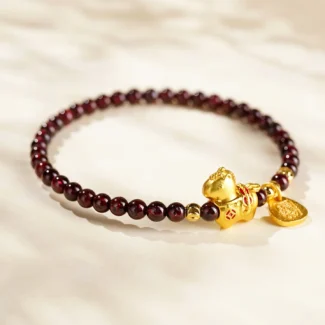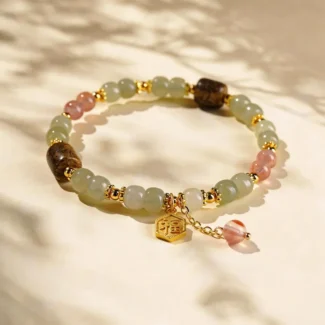



Amber teething bracelet benefits represent a fascinating intersection of ancient history and modern holistic wellness. Many parents choose these bracelets to help their children stay calm during early development stages. We see these golden resins as more than just jewelry; they are a bridge to traditional care practices used for generations across Europe.
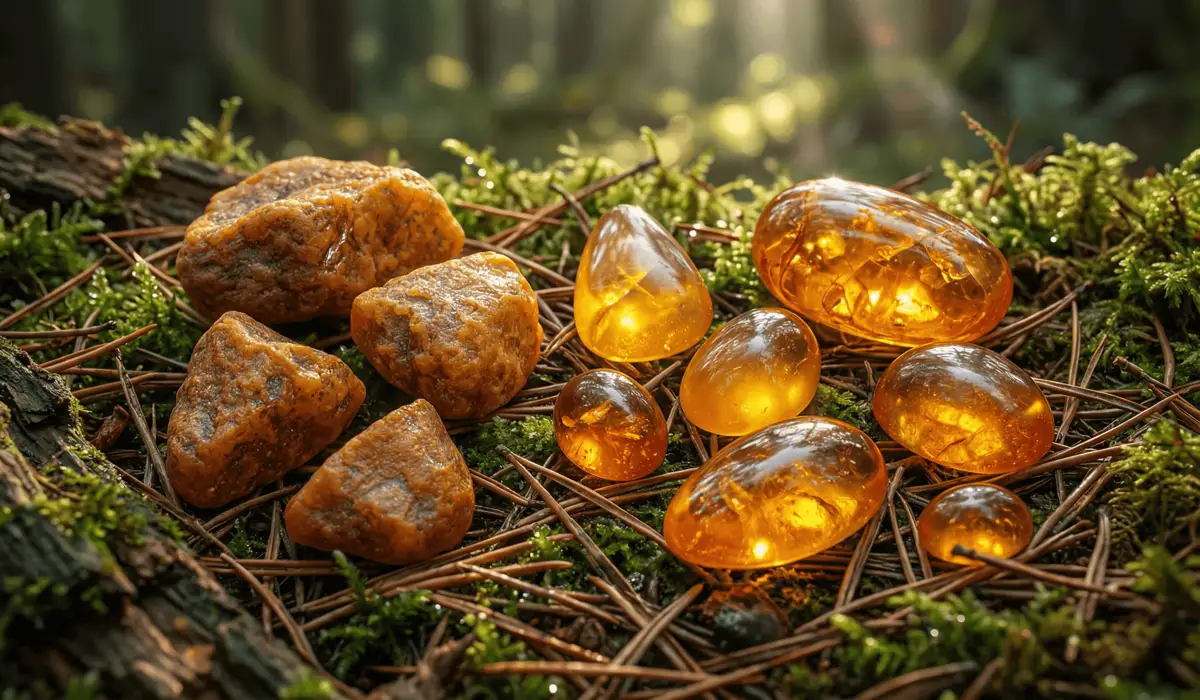
- Amber is a natural fossilized resin formed from ancient conifer trees millions of years ago.
- Authentic Baltic amber is prized for its specific concentration of succinic acid.
- These bracelets are designed for skin contact rather than being chewed or placed in the mouth.
- Safety features like individual knotting and breakaway clasps are essential for infant wear.
- The tradition of using amber dates back to ancient Baltic and Roman cultures.
What Is Amber Teething Bracelet Benefits: Fact vs. Folklore?
Definition and Origins
Amber is a natural fossilized resin, not a stone, formed from the sap of ancient conifer trees millions of years ago. This organic origin gives the material a unique warmth that differentiates it from cold minerals. When we handle these pieces, we often marvel at how light and comfortable they feel against the skin.
Baltic amber properties are unique because they originate specifically from the Baltic Sea region. This area provides the highest quality resin found anywhere in the world. Unlike younger resins found in other climates, authentic Baltic amber has undergone a polymerization process over 40 million years.
Natural Composition
The primary component of interest in this resin is succinic acid (Succinic Acid), a naturally occurring organic compound. In traditional European medicine, this acid was often cited for its role in wellness and vitality. Our team often explains to curious parents that this compound is what makes Baltic varieties so distinct.
Amber beads can be found in various Baltic amber colors, ranging from creamy butterscotch to deep cherry. These colors are determined by the original tree species and the conditions during the fossilization process. The material is naturally lightweight and warm to the touch, distinguishing it from cold gemstones or glass.
Basic Characteristics
Beads are typically sorted into raw vs polished amber, with raw beads retaining a textured, matte finish. Many people prefer raw beads because they believe the surface allows for better interaction with the skin. According to Online Encyclopedia Information, amber has been used by humans since the Neolithic period.
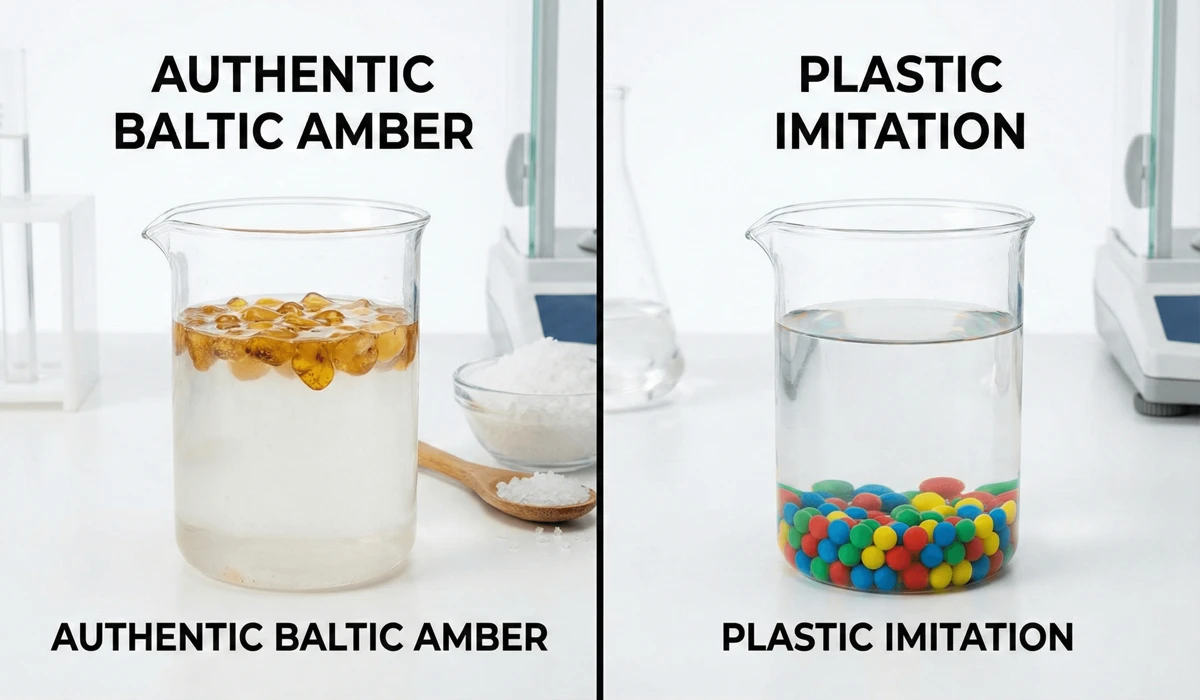
Ethical amber sourcing ensures the resin is harvested sustainably from the Baltic coastline. We take great care to ensure our materials are authentic and come from reputable sources in Northern Europe. Amber is naturally buoyant in saltwater, which remains a key test for identifying real amber from fakes.
Spiritual Meaning & Symbolism
Traditional Symbolism
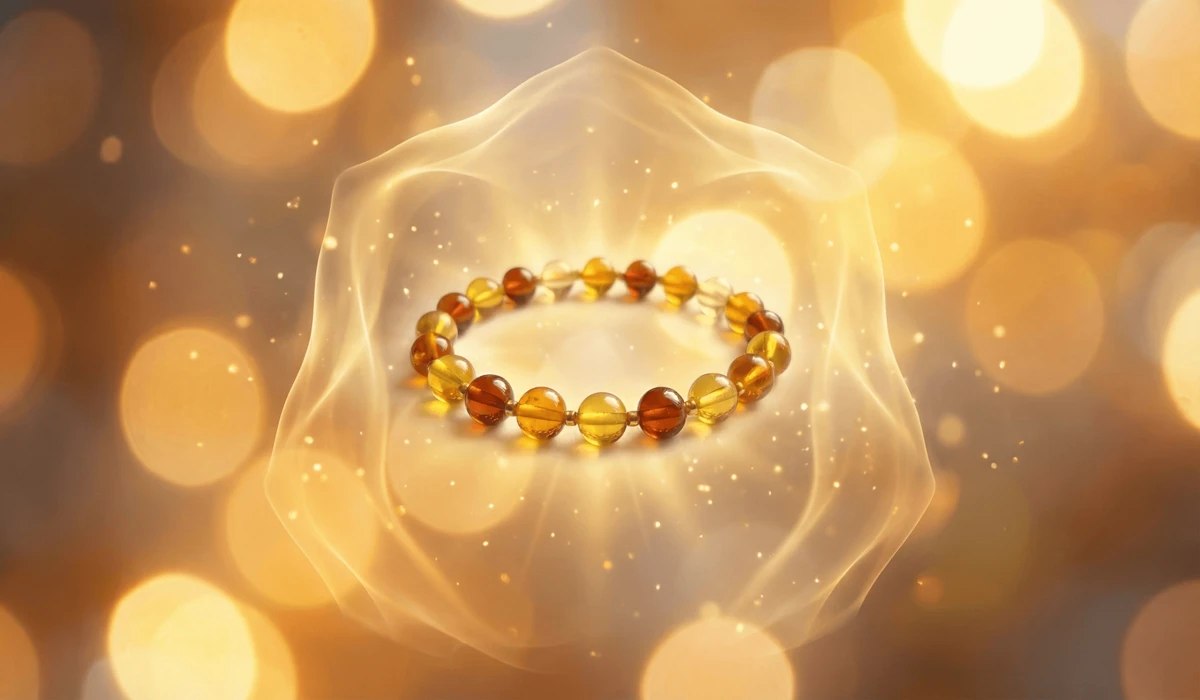
Amber bracelet spiritual meaning often centers on “frozen light” or “liquid sunshine,” representing warmth and protection. Many cultures view amber as a vessel for solar energy that can brighten a person’s spirit. Based on our experience, this “sunny” energy is why it is so popular for children.
In various cultures, the history of amber involves its use as a talisman to ward off negative energies from vulnerable souls. It was often placed in the cradles of newborns to ensure peaceful rest and growth. The meaning of honey amber vs cherry amber often relates to different solar energies, with lighter tones symbolizing clarity.
Chakra Associations
Amber is strongly associated with the Solar Plexus (太阳神经丛脉轮) chakra, the center of vitality and confidence. It is believed to help in clearing the emotional body and creating a sense of safety for the wearer. For more information on how stones interact with the body, you can view Crystal Healing Meanings on our site.
The spiritual significance of amber for children is often tied to providing a gentle, protective “shield” during developmental transitions. As children grow and encounter new experiences, the grounding energy of the resin provides a sense of continuity. It acts as a quiet companion during the busy early years of life.
Cultural and Historical Context
Traditional folklore uses of amber in various cultures include Baltic traditions where amber was gifted to newborns for health. Ancient Romans valued amber so highly that a small amber figure was worth more than a healthy slave. This historical value shows how much our ancestors respected the resin’s unique properties.
The therapeutic properties of resin have been documented in European apothecaries for centuries. Doctors in the past would prescribe amber powder for various ailments, believing in its purifying nature. Organizations like Gemmological Association of Great Britain provide deep insights into the history of organic gemstones.
Benefits & Intentions Associated with Amber Teething Bracelet Benefits: Fact vs. Folklore
Many practitioners use amber with the intention of supporting holistic wellness accessories in a child’s daily life. It is not just about the material but about the mindful approach to parenting. We find that families who value natural living often gravitate toward these amber pieces.
Baltic amber is traditionally worn to promote a sense of calm and reduce fussiness during times of physical growth. While every child is different, many parents report a noticeable difference in their child’s demeanor. It is often viewed as a “grounding” material that helps connect the wearer to nature.
Parents often choose these bracelets as sensory jewelry differences to provide a tactile point of focus for the child. The smooth texture of polished beads can be very soothing to a child’s fingers. The use of amber is frequently paired with mindfulness, where placing the bracelet becomes a ritual of care.
How to Wear Amber Teething Bracelet Benefits: Fact vs. Folklore
Practical Clarity and Placement
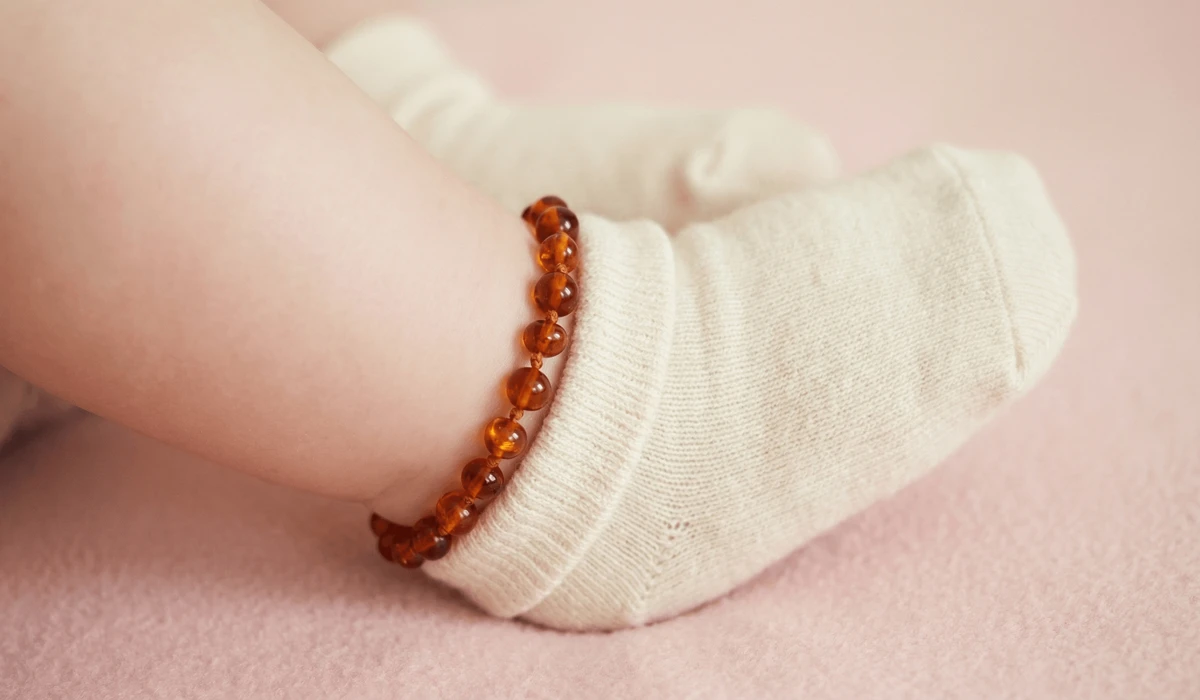
For infants, amber is often worn as an anklet tucked under a sock to maintain skin contact while keeping it out of reach. This is the safest way to ensure the child does not pull on the jewelry or try to chew it. We always recommend this “anklet method” for our youngest customers.
The bracelet should be sized so it cannot be lifted to the mouth but remains comfortable against the skin. Skin contact is emphasized so the body’s natural warmth can interact with the resin. When choosing jewelry, you might also consider the Obsidian Bracelet Meaning to understand how different materials serve different purposes.
Intention-Setting Practices
Before the first use, many caregivers hold the beads to set a gentle intention for the child’s comfort and peace. This simple act turns a piece of jewelry into a meaningful tool for your child’s well-being. It is common practice to remove the jewelry during sleep and baths for safety.
The right fit is essential for both comfort and safety. If you are looking for specific sizes and styles, you can shop Kids Bracelet options in our collection. We ensure every piece is made with safety-first construction, including individual knots between every bead.
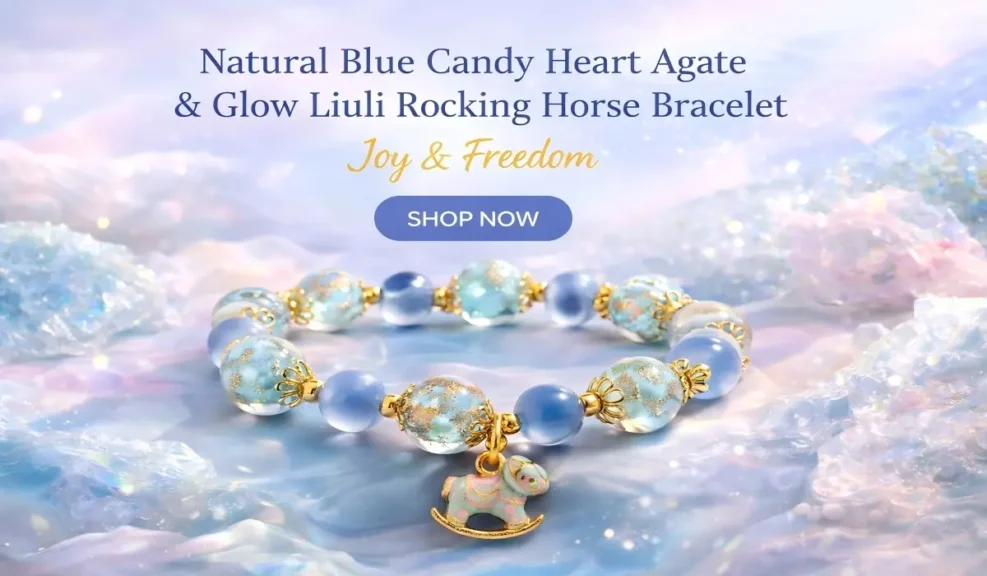
Amber Teething Bracelet Benefits: Fact vs. Folklore vs Similar Materials
| Feature | Baltic Amber | Copal Resin | Silicone Jewelry |
|---|---|---|---|
| Age | 40+ Million Years | Less than 1 Million | Modern Synthetic |
| Primary Use | Skin Contact | Incense/Decoration | Chewing/Tactile |
| Durability | High (Fossilized) | Low (Soft) | Very High |
Baltic Amber vs Copal
Baltic amber is millions of years old, whereas Copal is a much younger “sub-fossil” resin. Because Copal hasn’t fully fossilized, it lacks the structural integrity and the high concentration of succinic acid. For professional grading standards, many experts refer to the Gemological Institute of America Standards.
Copal is much softer and more prone to melting or cracking than aged amber. If you rub Copal, it may become sticky, whereas real amber remains smooth. We always guide our customers to look for the distinct fossilized hardness that defines true Baltic specimens.
Who Is Amber Teething Bracelet Benefits: Fact vs. Folklore Suitable For?
Suitable for families seeking a holistic approach to wellness and a connection to ancient traditions. It is ideal for those who prefer natural materials over plastic or synthetic accessories. We see many parents who want to minimize their child’s exposure to modern chemicals choosing amber.
Amber is traditionally linked to the zodiac signs of Leo and Aquarius, bringing solar energy and innovation. It is often gifted during significant early life milestones like the first tooth. Our team believes that anyone drawn to the grounding, earthy energy of ancient forests will benefit from it.
How to Cleanse, Charge, and Care for Amber Teething Bracelet Benefits: Fact vs. Folklore
Cleansing Methods
Gently wipe the beads with a soft cloth dampened with lukewarm water to remove oils. Avoid harsh chemicals or soaps, as amber is a porous organic resin that can be easily damaged. We recommend cleaning the beads once a week to maintain their natural glow.
Spiritually cleanse the beads using the smoke of sacred herbs like lavender or cedar for a gentle effect. This helps clear any stagnant energy the resin may have absorbed. Always ensure the beads are completely dry before putting them back on your child.
Charging Practices
Place the amber in indirect sunlight for a short period to “warm” its solar energy. Avoid extreme heat or direct, midday sun, which can make the resin brittle. We find that early morning light is the most gentle and effective for charging.
Charge the beads by placing them near clear quartz to refresh their energetic resonance. This practice is common among those who use crystals for emotional support. Keeping the amber vibrant ensures that its symbolic “liquid sunshine” continues to shine.
Frequently Asked Questions
Q: What is the difference between teething jewelry and sensory jewelry?
A: Teething jewelry, specifically amber, is meant to be worn against the skin to interact with body heat and is never meant for chewing. Sensory jewelry is typically made of silicone or other chewable materials designed specifically for oral stimulation and tactile input.
Q: How can I distinguish authentic Baltic amber from plastic imitations?
A: Authentic amber will float in a strong saltwater solution (about 1 part salt to 2 parts water), while most plastics will sink. Real amber feels warm to the touch and may release a faint pine scent when rubbed vigorously, unlike synthetic imitations.
Q: Is there a difference in potency between different colors of amber?
A: In folklore, lighter milky or butterscotch amber is often believed to be more potent due to its higher resin content. Scientifically, while succinic acid levels vary slightly, all genuine Baltic amber colors contain this compound.
Q: How should amber jewelry be cleansed and charged spiritually?
A: Amber should be cleansed using gentle methods like water or smoke, as it is a soft, organic material. Charging is best done via indirect sunlight or by setting intentions, reflecting its origin as a solar-linked resin.
Q: What is the significance of succinic acid in Baltic amber?
A: Succinic acid is a natural constituent of Baltic amber that has been used in European traditional wellness for centuries. It is the primary element that distinguishes Baltic amber from other resins and is the core focus of most fact vs. folklore discussions.
Conclusion & Gentle Next Step
Baltic amber remains a cherished bridge between the natural world and traditional care rituals. Whether you are drawn to its scientific composition or its rich folklore, it offers a beautiful way to practice mindful parenting. We are proud to continue this tradition by providing high-quality, authentic pieces for modern families.
By choosing authentic Baltic amber, you are participating in a tradition that spans thousands of years. Remember to always prioritize safety by ensuring skin contact and removing jewelry during sleep. We invite you to explore our beautiful collection of handcrafted pieces designed specifically for children.
This content is for informational and cultural exchange purposes only. It does not constitute medical, legal, financial, or other professional advice. If you have concerns about your child’s health or the use of jewelry, readers should consult a qualified professional such as a pediatrician.
Written by the Buddha Bodhis Team
Since 2020, we have been devoted to exploring traditional year-based wisdom, classical Feng Shui principles, and the rich spiritual symbolism rooted in Eastern cultural heritage. Our work bridges ancient metaphysical systems with modern life, interpreting annual cycles, elemental energies, and symbolic meanings to offer thoughtful insight and practical guidance. Through continuous research and practice, we aim to preserve traditional knowledge while making it accessible, relevant, and meaningful for contemporary seekers of balance, intention, and personal growth.
TikTok | YouTube | Pinterest | X
buddhabodhis@gmail.com