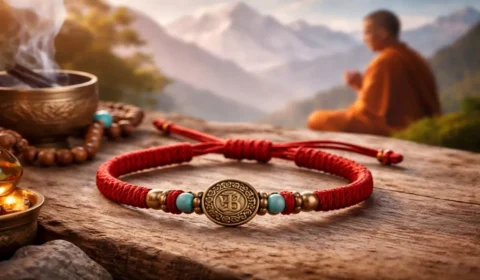



The spiritual significance of the 7 knots Tibetan bracelet centers on its role as a powerful protective talisman that shields the wearer from negative energy while aligning the body’s internal chakras. This sacred red string serves as a physical anchor for mindfulness, compassion, and the ancient wisdom of Himalayan traditions.
- The seven knots symbolize the completeness of the spiritual path and the seven primary chakras.
- Authentic bracelets are handmade by artisans or monks while reciting sacred mantras.
- Wearing the bracelet on the left wrist follows the tradition of receiving spiritual energy.
- The vibrant red color represents life force, protection, and the warmth of compassion.
- It serves as a constant mindfulness tool to ground the wearer in the present moment.
What Is the Spiritual Significance of the 7 Knots Tibetan Bracelet?
Definition
A traditional Tibetan handmade string bracelet is much more than a simple piece of jewelry; it is a spiritual tool crafted from high-quality cord. These bracelets feature seven distinct knots, each tied with focused intention while the maker recites specific prayers or mantras to infuse the cord with power. Based on our experience, these are often referred to as a “Vajra” knot or a variation of the “Endless Knot,” representing how all beings and events are deeply interconnected.
Origin & Materials
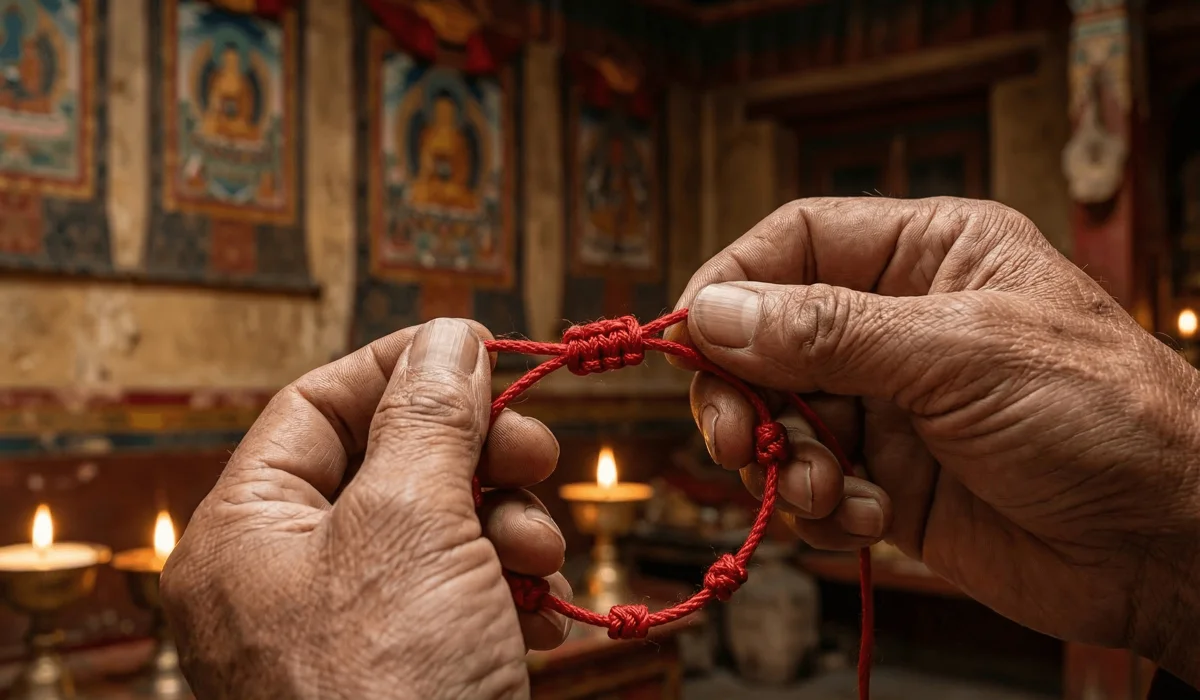
The roots of this talisman reach deep into the heart of Tibetan Buddhism and the skilled craftsmanship of Himalayan artisans. Traditionally, these items are handmade using durable silk or cotton thread that can withstand daily wear for years. We have observed that the most authentic pieces are tied during a Tibetan Buddhist blessing ritual, ensuring the material carries the vibration of sacred sound and intention.
Basic Characteristics
Most 7-knot bracelets feature a minimalist, adjustable design that makes them comfortable for any wrist size and suitable for daily wear. While red is the most common color, reflecting the “red string of fate,” other hues are sometimes used to represent specific elemental intentions or deities. The knots themselves are structural representations of sacred geometry, acting as physical reservoirs for the spiritual energy gathered during their creation.
Spiritual Meaning & Symbolism
Traditional Symbolism
In many Eastern traditions, the number seven is considered a sacred digit representing completeness and the successful journey toward enlightenment. The red color used in these bracelets is highly significant in Tibetan Buddhism, symbolizing Prana (Life Force), divine protection, and the fire of transformation. Each individual knot serves as a physical anchor for a spiritual vow or a specific blessing bestowed by the practitioner who tied it.
7 Chakras and 7 Knots Connection
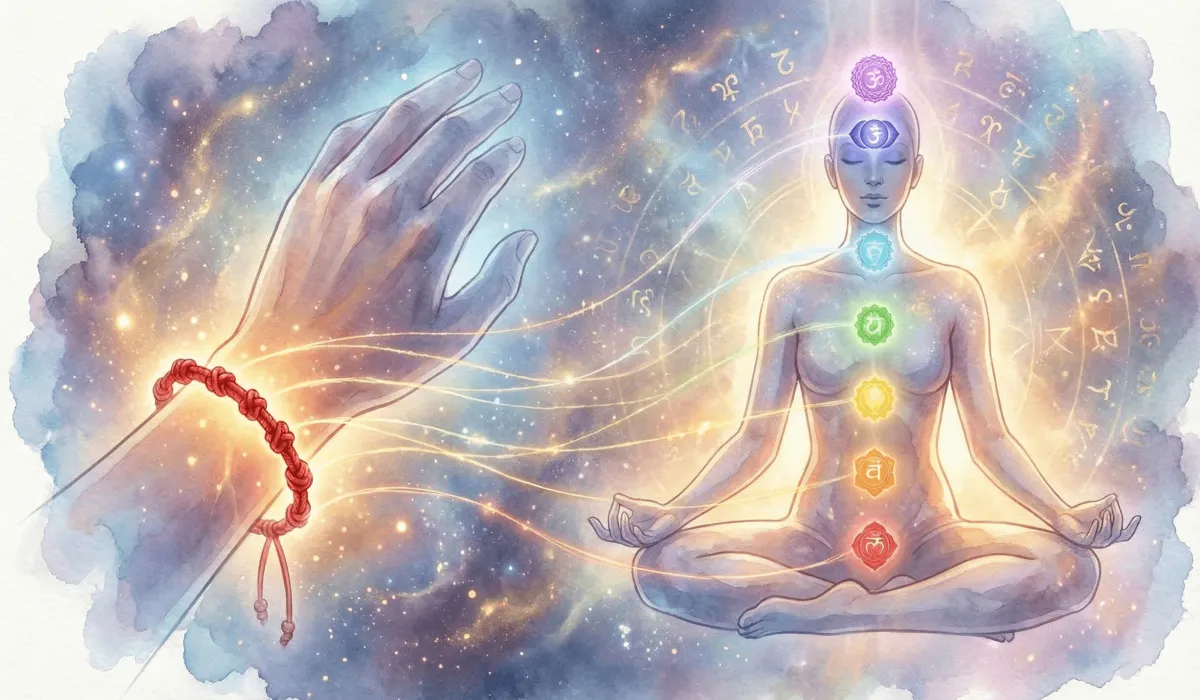
Modern spiritual practitioners often highlight the powerful connection between the seven knots and the seven main energy centers of the human body. Each knot is thought to correspond to a specific chakra, from the Root to the Crown, helping to facilitate a smooth flow of energy. By wearing the bracelet, you are inviting energetic balance and alignment into your daily life, ensuring your internal centers remain open and vibrant.
Cultural or Historical Context
The Buddhist knot bracelet significance is tied to the concept of the “Vajra,” a symbol of indestructible spiritual strength that cannot be broken by external forces. Unlike the Kabbalah red string, which focuses heavily on protection from the evil eye, the Tibetan version emphasizes the accumulation of merit and the cultivation of wisdom. Historically, these bracelets were given as Sacred Red String amulets to travelers to protect them during dangerous journeys through the Himalayan mountains.
Benefits & Intentions Associated with the 7 Knots Bracelet
| Benefit Category | Spiritual Effect | Daily Application |
|---|---|---|
| Protection | Shields from negativity | Wards off envy and ill-will |
| Mindfulness | Grounds the wearer | Reminder to stay present |
| Prosperity | Attracts good fortune | Invites Lungta (Wind Horse) |
| Healing | Balances chakras | Supports emotional stability |
Commonly Associated Intentions
Many of our customers choose this bracelet specifically for the evil eye protection red string benefits, seeking a shield against the envy or negative thoughts of others. Beyond protection, it is widely believed to invite “Lungta” (Wind Horse) energy, which brings luck and swift success in one’s endeavors. The bracelet acts as a spiritual barrier, helping the wearer remain calm and undisturbed even when surrounded by external stressors or emotional chaos.
Mindfulness & Personal Practices
Touching the knots during the day provides a tactile reminder of your spiritual path and helps ground you in the current moment. During meditation, the seven knots can be used to track breathing cycles or the repetition of short mantras, similar to a small mala. Wearing this piece encourages a commitment to “Right Speech” and “Right Action,” which are core pillars of the Buddhist path toward a meaningful life.
How to Wear a 7 Knot Tibetan Bracelet?
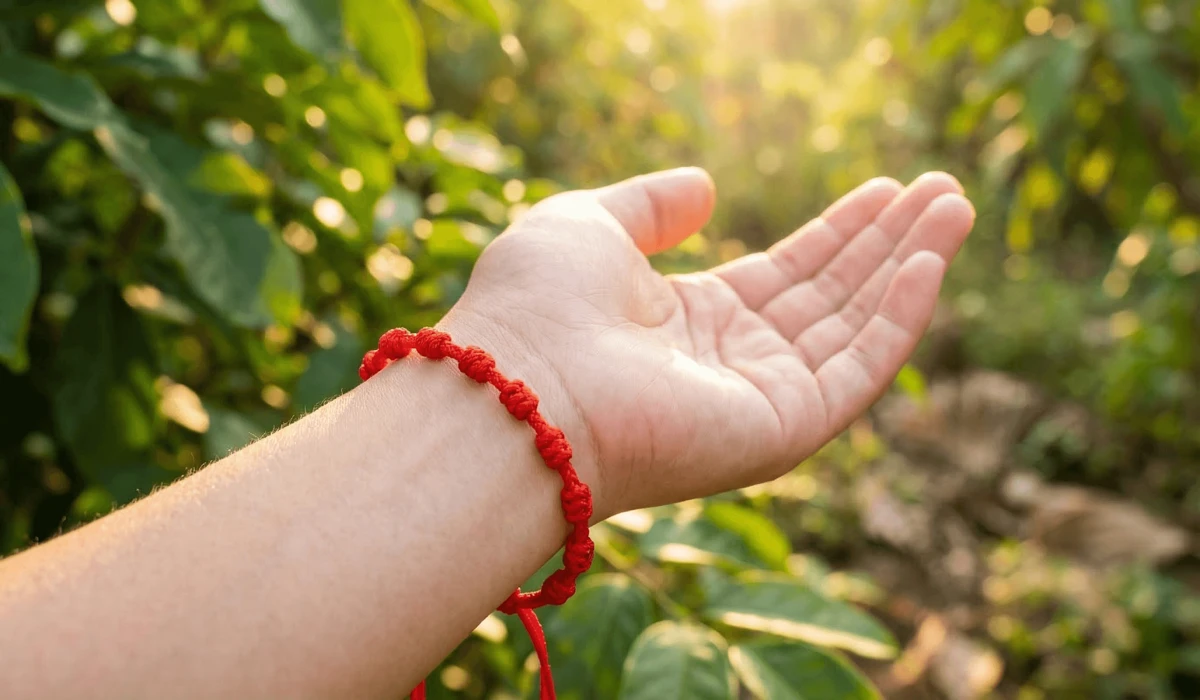
Left Hand vs Right Hand (Feng Shui Logic)
Traditional wisdom and Feng Shui logic dictate that you should wear your Tibetan bracelet on the left wrist. The left side of the body is widely regarded as the “receiving” side, where spiritual energy and external blessings enter your aura. By placing the mantra-infused knots on the left, you allow the protective vibrations to flow directly into your energetic system, providing maximum benefit from the Tibetan Bracelet Collection you have chosen.
When People Choose to Wear It?
Many practitioners choose to wear their bracelet 24/7, never taking it off until the thread naturally wears away and falls off on its own. This event is often seen as a sign that the bracelet has fulfilled its specific intention or absorbed a significant amount of negativity on your behalf. It is particularly popular during times of big life transitions, travel, or when a person is starting a new spiritual challenge that requires extra focus.

Intention-Setting Practices
Before wearing your new bracelet, we recommend activating it by holding it gently between your palms during a quiet moment. Visualize a vibrant, protective light surrounding the red cord and align your personal energy with the specific knots. It is a beautiful tradition to have a loved one or a person you respect tie the bracelet onto your wrist to seal the bond of protection and care.
Tibetan Red String Bracelet vs Kabbalah
Symbolism and Origin
While both traditions utilize a red string, the Tibetan version is rooted in the Vajrayana lineage and focuses on the “Endless Knot” of wisdom. In contrast, the Kabbalah red string is historically associated with Rachel’s Tomb and is primarily used to ward off the “Ayin Hara” or the Evil Eye. The Tibetan version is easily distinguished by its complex braiding techniques and the specific number of knots tied while reciting Buddhist mantras.
Intention and Usage
The Tibetan practice emphasizes internal growth, the development of compassion, and the accumulation of spiritual merit through mindful living. Kabbalah strings are often simpler threads that are replaced frequently, whereas the Tibetan braided version is built for long-term durability. The intricate craftsmanship seen in Himalayan jewelry reflects a deep respect for the materials and the spiritual power they carry over time according to Online Encyclopedia Information.
Who Is the 7 Knots Bracelet Suitable For?
Chakra or Energy Alignment
This bracelet is an ideal choice for anyone seeking a physical tool to help balance their internal energy centers and maintain a sense of peace. It is especially suitable for those who practice Reiki or other healing modalities, as it helps maintain a clear energetic field. Sensitive individuals who often feel drained by the emotions or energy of those around them will find the protective qualities of the knots particularly helpful.
Lifestyle & Personal Intentions
Whether you are a seasoned practitioner or simply someone who appreciates the beauty of Himalayan craftsmanship, this bracelet fits seamlessly into a modern lifestyle. It serves as a subtle, non-religious reminder to stay grounded, compassionate, and focused on your goals throughout a busy day. Many students and travelers choose this piece to help them maintain focus and a feeling of safety while exploring new environments or learning difficult subjects.
How to Cleanse, Charge, and Care for Your Tibetan Bracelet?
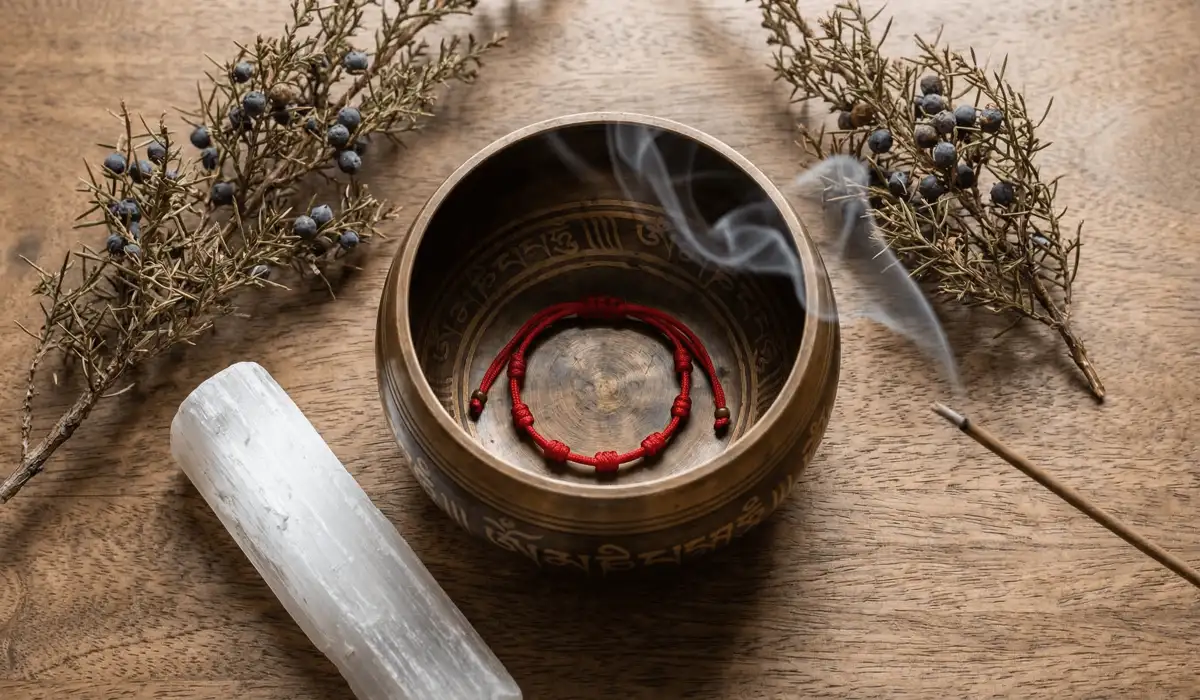
Cleansing Methods
To clear away any stagnant energy the bracelet may have absorbed, you can place it inside or near a Tibetan singing bowl. Allow the pure sound vibrations to wash over the fibers, effectively resetting the spiritual resonance of the knots. Alternatively, you can pass the bracelet through the smoke of sacred herbs like sandalwood, frankincense, or juniper to purify the material according to Crystal Healing Properties.
Charging Practices
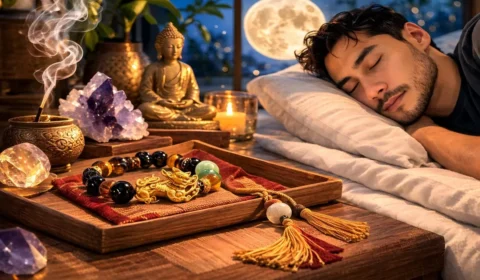
Setting your bracelet under the light of a full moon is a powerful way to recharge its protective intentions and refresh its energy. You might also place it on a selenite charging plate or next to a clear quartz cluster to amplify its natural vibrations. Reciting your own personal mantra or the classic “Om Mani Padme Hum” over the knots can renew the spiritual potency of the bracelet whenever you feel its energy is low.
Daily Care & Storage
The handmade string is quite durable, but it is best to avoid exposing it to harsh chemicals, heavy perfumes, or excessive chlorine in swimming pools. If the bracelet gets wet during a ritual or a daily wash, simply pat it dry with a soft cloth to preserve the integrity of the silk or cotton. When you aren’t wearing it, we suggest storing the bracelet in a silk pouch or a dedicated sacred space to keep its energy clean and respected.
Frequently Asked Questions
Q: What is the spiritual meaning of the 7 knots Tibetan bracelet?
A: It represents the seven chakras and the path to enlightenment. It serves as a vessel for protective mantras and symbolizes the interconnectedness of all living beings in the universe.
Q: Why should I wear my Tibetan bracelet on the left wrist?
A: The left wrist is traditionally the receiving side for energy in many Eastern cultures. Wearing it here allows the wearer to absorb the blessings and protective vibrations contained within the knots.
Q: How does the 7 knots bracelet represent the chakras?
A: Each of the seven knots corresponds to one of the body’s primary energy centers. The knots act as physical reminders to keep the Root, Sacral, Solar Plexus, Heart, Throat, Third Eye, and Crown chakras in balance.
Q: Does the color red have a specific meaning in Tibetan tradition?
A: Yes, red is a sacred color symbolizing life force, transformation, and compassion. It is used extensively in Tibetan temples and robes to attract good fortune and ward off negative spirits.
Q: How do I cleanse and recharge my 7 knots bracelet?
A: You can cleanse it with sound from a singing bowl or smoke from sacred incense. To recharge it, place it under the moonlight or near high-vibration crystals like selenite or clear quartz.
Conclusion & Gentle Next Step
The 7-knot Tibetan bracelet is far more than a simple accessory; it is a storied talisman of protection, mindfulness, and ancient Himalayan wisdom. By understanding the deep significance of the red string and the power of the number seven, you can truly enhance your personal spiritual practice. These bracelets remain a timeless symbol of peace, whether you use them for chakra alignment or as a shield against the negativity of the world.
We invite you to explore our authentic, artisan-made collection to find the piece that resonates with your unique spiritual journey. Discover the beauty of traditional craftsmanship and find your perfect protective companion in our latest curated selection. Experience the difference of a piece made with intention and rooted in centuries of tradition.
Begin your journey of protection and balance today by finding a bracelet that speaks to your heart. Visit our full gallery to see the various styles of Authentic Tibetan Jewelry crafted by our dedicated team of artisans.
The content provided in this article is for informational purposes and cultural exchange only. It does not constitute medical, legal, financial, or other professional advice. Readers should consult with qualified professionals regarding any health or psychological concerns, as spiritual practices are intended to complement rather than replace professional care.
Written by the Buddha Bodhis Team
Since 2020, we have been devoted to exploring traditional year-based wisdom, classical Feng Shui principles, and the rich spiritual symbolism rooted in Eastern cultural heritage. Our work bridges ancient metaphysical systems with modern life, interpreting annual cycles, elemental energies, and symbolic meanings to offer thoughtful insight and practical guidance. Through continuous research and practice, we aim to preserve traditional knowledge while making it accessible, relevant, and meaningful for contemporary seekers of balance, intention, and personal growth.
TikTok | YouTube | Pinterest | X
buddhabodhis@gmail.com