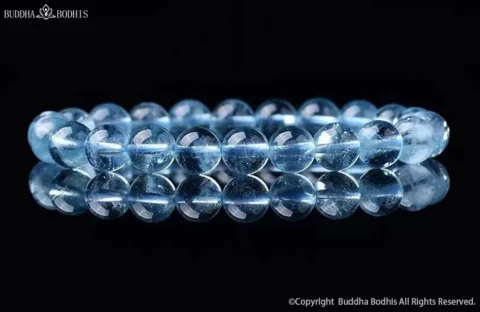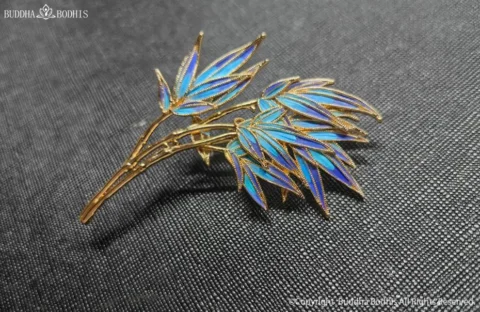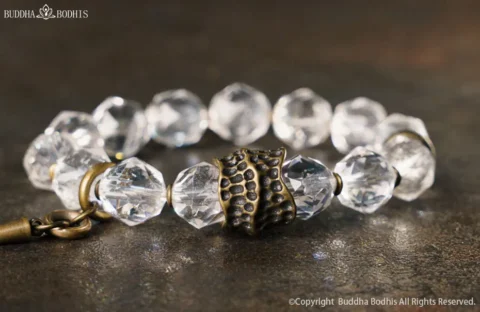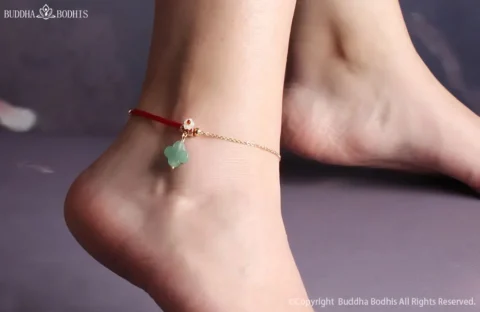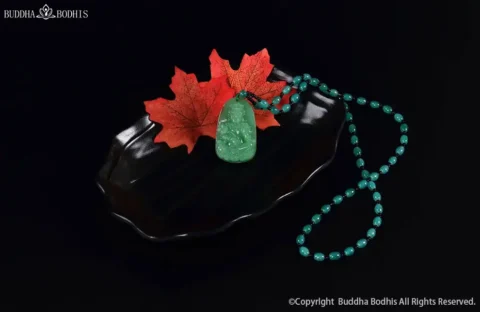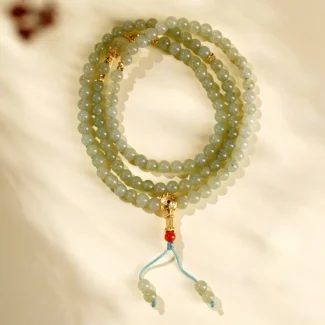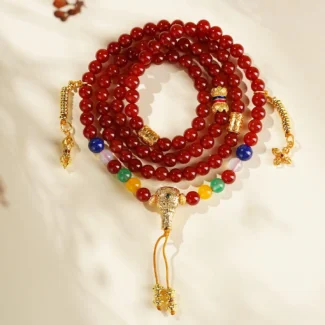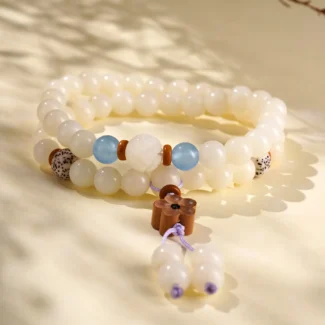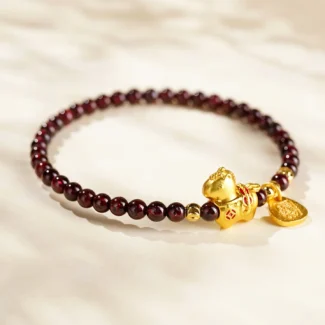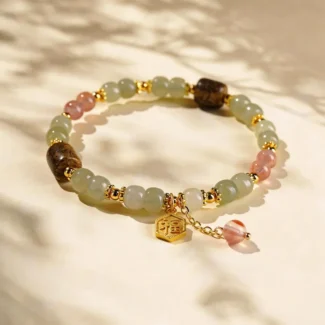


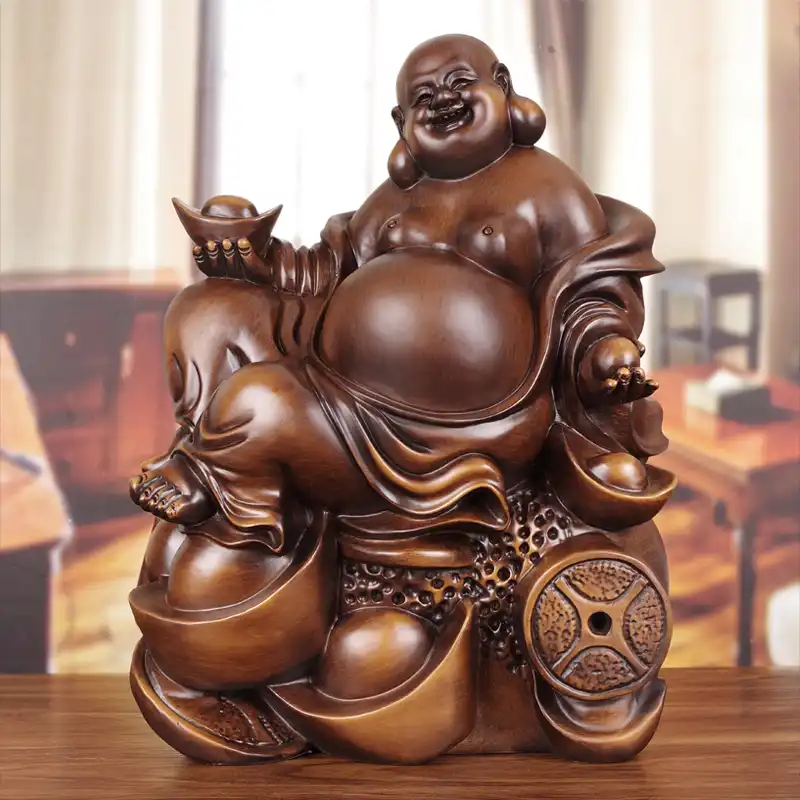

For over 5,000 years, Jade Jewelry has been more than just an ornament; it has been a symbol of purity, wisdom, and divine connection. From ancient Chinese emperors who believed it linked heaven and earth to Mayan civilizations that valued it more than gold, this mesmerizing green gemstone has captivated hearts for millennia.
But what makes jade so eternally appealing? Before you choose your first Jade Bangle or add a new pendant to your collection, this guide will walk you through the five most important things every buyer should know.
Table of Contents
1. Know the Two Types of Jade: Jadeite vs. Nephrite
The term “jade” actually refers to two different minerals. Understanding the distinction is the most critical first step for any buyer.
- 💎 Jadeite: This is the rarer, more valuable, and more sought-after type of jade. It is prized for its vibrant, emerald-green hues (known as “Imperial Jade”) and its fine, crystalline structure that gives it a beautiful translucence. Jadeite also comes in other colors, including lavender, red, white, and black.
- 💚 Nephrite: More common and affordable, Nephrite is known for its durability and creamy, smooth texture. Its colors are typically more muted, ranging from deep spinach greens to creamy whites and earthy browns. While less expensive, its toughness made it ideal for ancient carvings and tools.
For an expert look at the differences, the Gemological Institute of America (GIA) provides an in-depth analysis of both minerals.

2. Understand Its Profound Cultural Significance
When you wear Jade Jewelry, you are wearing a piece of history. Its meaning is deeply woven into the fabric of many ancient cultures.
- In Chinese Culture: Jade (yu) is the ultimate symbol of virtue, purity, and nobility. Confucius was said to have associated jade with five virtues: wisdom, justice, compassion, modesty, and courage. It is considered a protective stone that brings good fortune and longevity. You can see stunning examples of ancient Chinese jade artifacts at the Metropolitan Museum of Art.
- In Mesoamerican Cultures: The Maya and Aztec civilizations treasured jade for its spiritual power, believing it was a life-giving stone connected to their ancestors and deities.
- For the Māori of New Zealand: Jade, known as pounamu, is a sacred stone passed down through generations as treasured heirlooms, carrying the spiritual essence (mana) of the family.
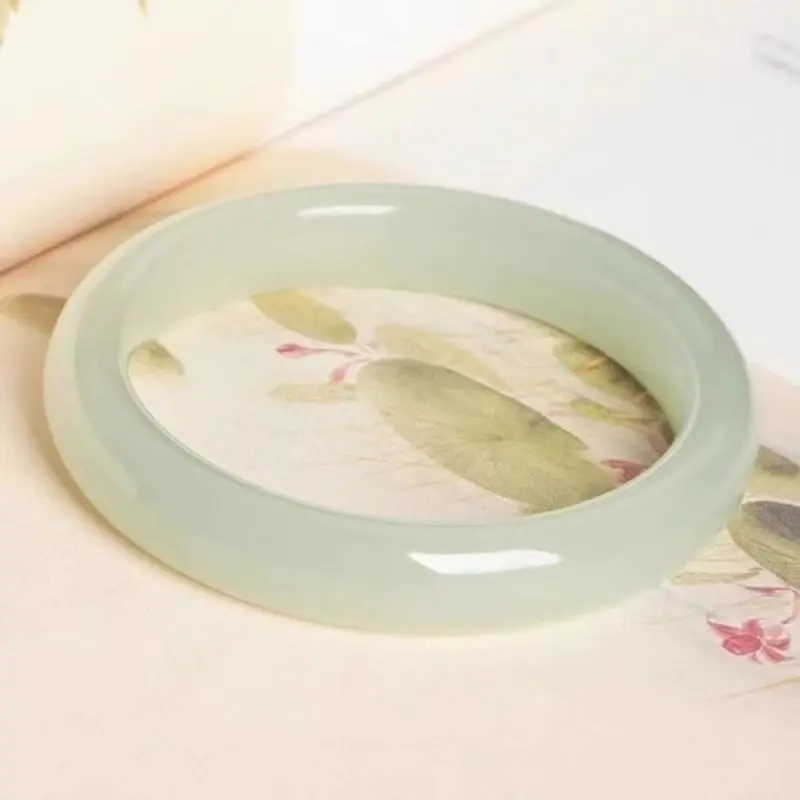
3. Learn How to Judge Jade Quality
Professionals evaluate jade based on several key factors. Keeping these in mind will help you select a high-quality piece.
- ✅ Color: This is the most important factor. Look for a vibrant, uniform color. For green jade, the most prized shade is the intense, emerald-like color of Imperial Jade.
- ✅ Transparency: The more translucent the jade, the more valuable it is. High-quality jade will have a beautiful glow when light passes through it.
- ✅ Texture: The texture should be fine and smooth. Top-quality Jadeite has a very fine crystal structure, which gives it a smooth, almost watery appearance.
- ✅ Craftsmanship: Examine the carving and polish. A well-crafted piece will be smooth, with intricate details and a high luster, showcasing the stone’s natural beauty.
4. Choose a Style That Resonates With You
Jade Jewelry comes in many forms, each with its own symbolism. The beautiful collections at Buddha Bodhis offer many of these timeless styles.
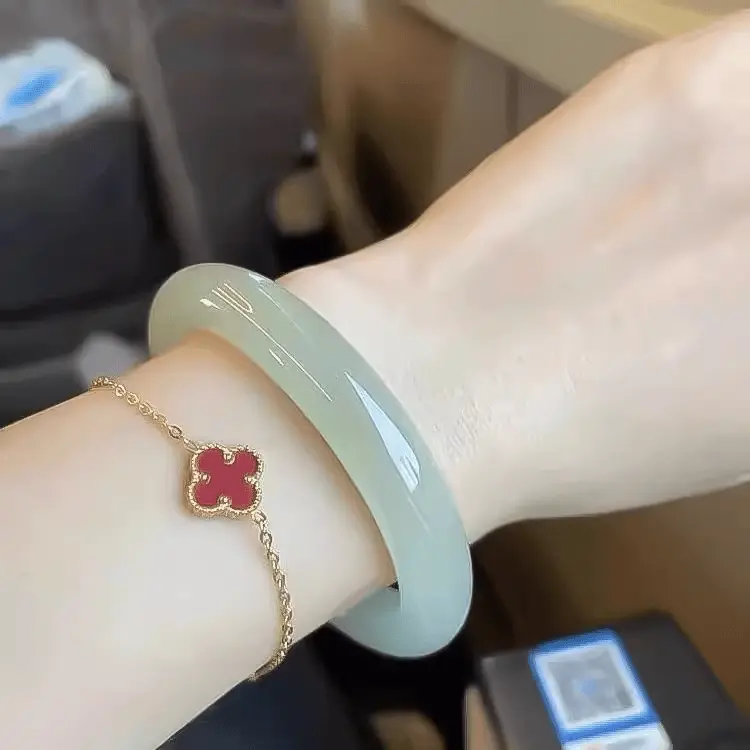
- Jade Bangles: A continuous, unbroken circle, the Jade Bangle is the most iconic style. It symbolizes eternal love, protection, and unity. It is believed to absorb negative energy to protect its wearer.
- Pendants and Necklaces: Carved pendants often feature auspicious symbols like dragons (power), phoenixes (renewal), or a smiling Buddha (happiness and contentment).
- Rings: A jade ring symbolizes harmony and commitment, making it a meaningful choice for wedding bands or personal talismans.
5. Know How to Care for Your Jade
Jade is a tough stone, but it still requires gentle care to maintain its beauty for generations.
- Gentle Cleaning: Use lukewarm water and a soft, untreated cloth to clean your Jade Jewelry. Avoid harsh chemicals, steamers, and ultrasonic cleaners.
- Avoid Impact: While durable, a sharp blow can cause jade to crack or fracture. Be mindful when wearing a Jade Bangle, especially.
- Proper Storage: Store your jade pieces separately in soft pouches or a lined jewelry box to prevent them from being scratched by harder gemstones like diamonds.
Conclusion
Jade Jewelry is a perfect fusion of natural beauty, profound cultural meaning, and timeless elegance. By understanding the different types of jade, its rich symbolism, and how to properly care for it, you can choose a piece that will not only be a treasured possession but also a meaningful connection to centuries of tradition.
For authentic, high-quality pieces that honor this ancient gemstone’s legacy, explore the exquisite Jade Jewelry collection at Buddha Bodhis.
Frequently Asked Questions (FAQ)
1. What is the difference between Jadeite and Nephrite?
Jadeite is rarer, harder, and more valuable, known for its vibrant, translucent colors. Nephrite is more common, tougher (less prone to breaking), and has a softer, more opaque appearance.
2. How can I tell if my jade is real?
Genuine jade is typically cool to the touch, quite dense and heavy for its size, and very hard to scratch with steel. A “clink test”—gently tapping two bangles together—should produce a clear, bell-like tone.
3. What is the most valuable color of jade?
The most valuable color is an intense, vibrant emerald green known as “Imperial Jade,” found only in Jadeite.
4. Which hand should I wear a Jade Bangle on?
Traditionally, it is worn on the left wrist to receive its protective and nurturing energies, as the left side is considered closer to the heart.
5. Can I wear my Jade Jewelry in the shower?
It’s best to avoid it. Soaps and shampoos can build up on the surface, dulling its luster over time.
6. What does it mean if my jade bangle breaks?
In many cultures, it is believed that if a jade bangle breaks, it has absorbed a significant negative impact or illness that was meant for you, thereby sacrificing itself to protect you.
7. Is jade a good investment?
High-quality, certified Jadeite has historically been a strong investment, with its value often appreciating over time due to its rarity and high demand.
8. What does a jade Buddha pendant symbolize?
The smiling or laughing Buddha is a symbol of happiness, good luck, and abundance. Wearing a jade Buddha pendant is believed to bring joy and contentment to the wearer.
9. Is jade a birthstone?
While not a traditional Western birthstone, jade is the mystical birthstone for March and is associated with the zodiac signs of Virgo and Libra.
10. Why is jade considered a “living” stone?
It is believed that jade absorbs the natural oils from your skin, and over time, its color can appear to become richer and more vibrant the more it is worn.